


 Русский (RU)
 Українська (UK)
 Türkçe (TR)
 Italiano (IT)
 Français (FR)
 Português (PT)
 中文 (中国) (ZH)
 Español (ES)
 日本語 (JA)
 ไทย (TH)
 Deutsch (DE)
 Ελληνικά (EL)
 Polski (PL)
 Bahasa Indonesia (ID)
 Nederlands (NL)
 العربية (AR)
 한국어 (KO)

If you’re a high school student interested in technology, chances are you’ve already noticed how quickly software development and artificial intelligence are transforming the world around you. From everyday apps to machine learning systems, technology now shapes nearly every industry. Software development & AI summer programs in Canada for high school students can give you early exposure to this field in a structured, hands-on environment.
Imagine spending your summer building apps, learning Python, training machine learning models, or collaborating on coding projects with students who share your interest in technology. Rather than focusing only on theory, many of these programs emphasise practical learning through workshops, hackathons, research activities, and project-based challenges that reflect how technology is developed in the real world.
Why pursue software development & AI summer programs in Canada for high school students?
Of course, not all summer programs provide the same level of rigour or meaningful engagement. Some rely mainly on lectures and passive learning, while others encourage students to build portfolios, create prototypes, participate in team projects, and learn directly from university instructors or industry professionals. Choosing the right program can make a major difference in both your learning experience and long-term interest in the field.
Across Canada, universities and educational organisations now offer exceptional opportunities in software development, artificial intelligence, and related STEM fields designed specifically for high school students. Whether you’re completely new to coding or already working on personal projects, these programs can help you strengthen your technical foundation while exploring one of the fastest-growing areas of modern technology.
To help you explore the best opportunities, we’ve compiled a list of 15 Software Development & AI Summer Programs in Canada for High School Students. They’ve been selected for their hands-on learning experiences, academic quality, and exposure to emerging technologies.
For adjacent opportunities, consider the online AI program and summer programs in Canada.
15 Software Development & AI Summer Programs in Canada for High School Students
1. CREATE: Engineering Design Challenges
Location: Toronto, Canada
Cost/Stipend: CAD 732/week (local students), CAD 1111/week (international students)
Acceptance rate/cohort size: Not disclosed
Application Deadline: Multiple deadlines. The latest is August 10th
Dates: July 6 th – August 21st
Eligibility: High school students from grades 9 to 12; international students are welcome to apply
This Software Development & AI summer program in Toronto allows you to create a schedule based on your interests across coding, artificial intelligence, and related STEM subjects. You can attend for up to six weeks, choosing from courses that may also include areas such as game design, healthcare applications, and broader technology topics.
Classes are led by current undergraduate and graduate students, with an emphasis on discussion-based learning, problem-solving, and practical exploration.
Why it stands out: The program’s flexible structure allows you to combine multiple STEM subjects over several weeks while learning in a university environment alongside current students.
2. Immerse Education’s Toronto Software Development & AI Summer School
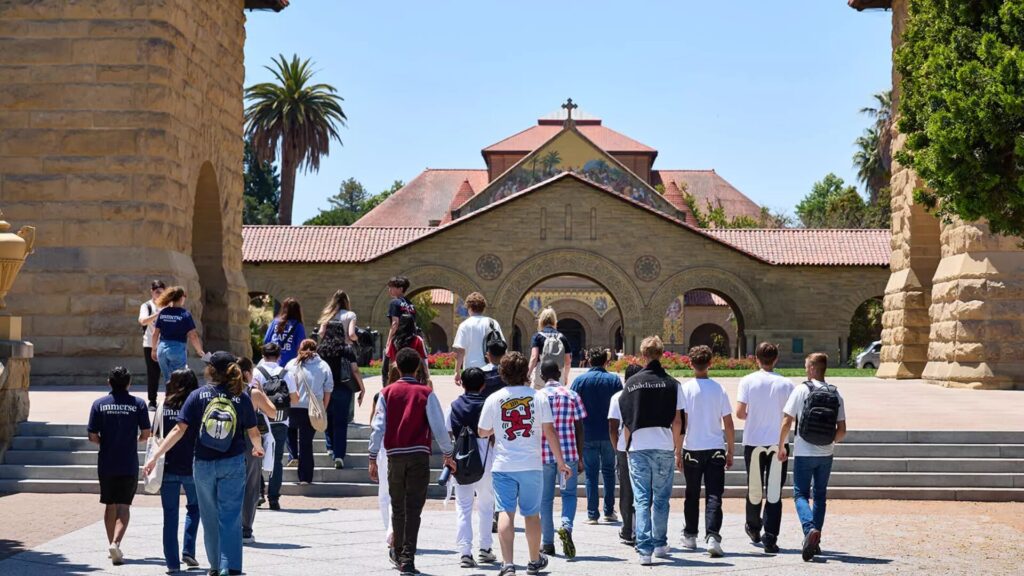
Location: Trinity College, University of Toronto, Toronto, Canada
Cost: Varies; summer school scholarship available through our bursary programme
Application Deadline: Multiple summer cohorts with rolling admissions
Dates: 2 weeks during the summer
Eligibility: High school students worldwide aged 15-18
Immerse Education’s AI summer school is designed for students aged 15–18 who want to explore software development and artificial intelligence in an academic setting. During the programme, you engage with topics such as machine learning, neural networks, and software engineering through a mix of lessons, coding exercises, and project-based activities.
The course places a strong emphasis on practical learning, allowing you to work on AI-related projects and collaborative tasks that develop problem-solving and analytical skills. You also receive guidance from instructors and mentors, which can help you better understand how artificial intelligence and software systems are applied in different industries.
Why it stands out: This course focuses specifically on artificial intelligence and software development, giving you the opportunity to explore both theoretical concepts and practical applications through guided projects and collaborative learning.
3. Shad Canada Programs
Location: Various locations/Online
Cost/Stipend: There is a program fee to attend. Check the website for more details
Acceptance rate/cohort size: Highly selective
Application Deadline: TBA
Dates: July 5-31
Eligibility: Students in grades 10-11; international students welcome
Shad Canada offers month-long programs for Grade 10 and 11 students interested in STEAM, innovation, and entrepreneurship. Through collaborative projects and design-based challenges, you explore areas such as coding, artificial intelligence, robotics, and applied problem-solving while working with university faculty, instructors, and industry professionals.
The program focuses on group work, analytical thinking, and developing solutions to practical challenges. Programs are available both on campus and online, with students participating alongside peers from across the country.
Why it stands out: The program combines technical learning with entrepreneurship and collaborative project work, while also giving you access to a national community of students with shared interests in STEAM fields.
4. Computers for Schools Plus (CFS+) Internship
Location: Across multiple provinces/territories in Canada
Cost/Stipend: Paid internships
Acceptance rate/cohort size: Selective
Application Deadline: Varies by center
Dates: Varies; you need to contact your local center
Eligibility: Canadian citizens/residents aged 15-30 years
Computers for Schools Plus offers paid technology internships for high school students interested in IT support and hardware systems. As part of the program, you work with donated computers and digital devices by repairing hardware, installing software, testing equipment, and preparing devices for distribution.
Depending on the placement, you may also assist with tasks such as device setup, networking support, or community-based technology projects. The program is supported through the Government of Canada’s youth employment initiatives and focuses on developing applied digital and technical skills.
Why it stands out: The program combines paid technical work experience with hands-on IT training while contributing to device reuse and broader access to technology across communities.
5. DEEP Summer Academy
Location: Toronto, Canada
Cost/Stipend: CAD 732/week (local students), CAD 1111/week (international students)
Acceptance rate/cohort size: Not disclosed
Application Deadline: April 13th
Dates: Multiple week-long sessions between July 6th and August 14th (other than August 3-7)
Eligibility: High school students from grades 9 to 12; international students are welcome to apply
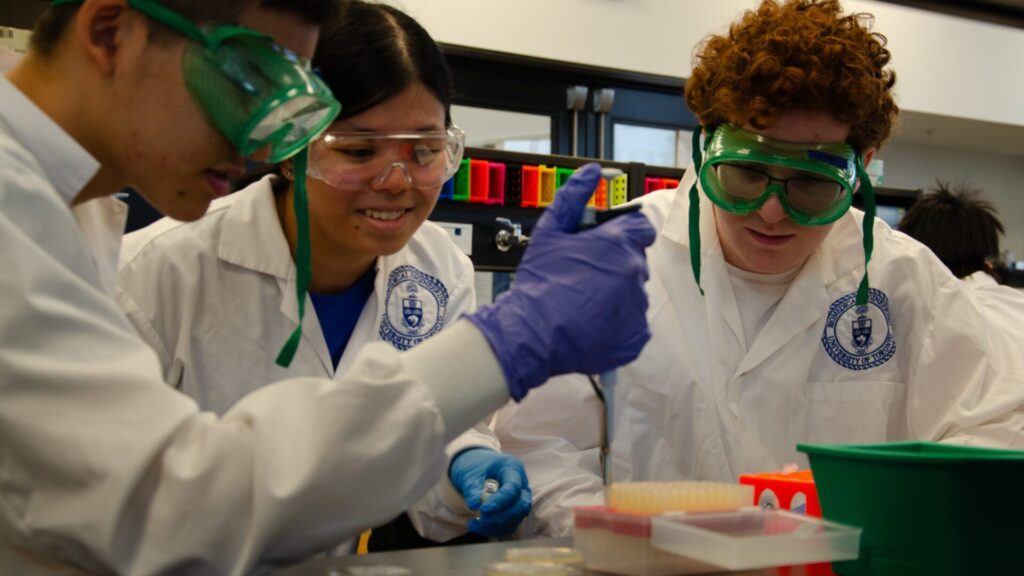
DEEP Summer Academy is a summer program for high school students interested in engineering, computing, and applied technology. You can attend for anywhere from one to four weeks, selecting courses based on your interests and grade level.
Topics may include coding, machine learning, robotics, and other engineering-related subjects, with separate course groupings for Grades 9–10 and Grades 11–12. Sessions are taught by current master’s and PhD students, with a focus on interactive learning, technical problem-solving, and introducing students to university-level engineering concepts.
Why it stands out: The program offers grade-specific course pathways and allows you to combine multiple specialized engineering and technology subjects within the same summer experience.
6. techNL High School Tech Immersion Program (HSTIP)
Location: Newfoundland and Labrador, Canada; hybrid format with virtual training and flexible in-person/remote placements based on sponsor location
Cost/Stipend: The program is structured as a sponsorship model whereby employers pay a sponsorship fee ($900) per student upfront to techNL to cover 25% of student wages.
Acceptance rate/cohort size: Selective
Application Deadline: April 30th
Dates: Between July and August
Eligibility: Participants are Grade 10, 11, and 12 students from all over Newfoundland and Labrador
techNL runs the High School Tech Immersion Program (HSTIP), a paid six-week program that introduces high school students to technology careers through training and workplace experience. The program begins with digital skills workshops before moving into a project-based placement with a local technology or tech-related company.
During the placement, you may work in areas such as software development, engineering support, operations, or customer-facing technology roles. Placements may be offered in person or remotely, depending on the location, and the program is open to students regardless of prior technical experience.
Why it stands out: The program combines introductory skills training with paid industry placements, giving you direct exposure to workplace projects and different career pathways within the technology sector.
7. Summer AI Bootcamp for Teens
Location: Toronto, Canada
Cost/Stipend: CAD 1791
Acceptance rate/cohort size: Not disclosed
Application Deadline: Not disclosed
Dates: Three bootcamp schedules throughout the month of July
Eligibility: High school students who are interested in AI and its application in real life, want to learn the Python programming language, and are interested in pursuing AI in further education. Not sure if international students can join
Code-It Hacks Kids offers a multi-week summer program in Toronto for students interested in coding and introductory AI concepts. The program begins with an optional Python fundamentals course before moving into more specialised AI topics in later weeks.
Depending on your interests, you can choose from areas such as image recognition and classification, reinforcement learning through game-based systems, or introductory generative AI projects. At the end of the course, participants receive a certificate of completion.
Why it stands out: The program introduces you to multiple areas of AI after covering Python fundamentals, while also including exposure to how these technologies are used in industry settings.
8. RBC Summer Tech Labs
Location: Downtown core of Toronto / Remote
Cost/Stipend: No cost / Stipend paid, exact hourly rate will be outlined in your offer letter
Acceptance rate/cohort size: Selective; typically small cohorts
Application Deadline: Not specified
Dates: July 2nd – August 20th
Eligibility: Ontario-based high school students in grades 11-12; Working knowledge of one or more programming languages | Applied experience with technology concepts or coding
RBC Summer Tech Labs is a summer technology program for high school and early undergraduate students interested in software development and product design.
During the program, you work in small teams on technology projects connected to real business challenges, building and testing prototypes using tools and frameworks such as JavaScript, GitHub, and React. At the end of the program, teams present their projects and demonstrate the final prototype.
Why it stands out: The program focuses on collaborative product development within a professional technology environment, giving you experience working on projects tied to real organisational needs.
9. Ontario Tech University’s Summer Camps
Location: Ontario Tech University — North Campus, Oshawa, ON / Virtual
Cost/Stipend: In-person: C$280 to C$350 (~ $201 to $252), Virtual: C$100 (~ $72)/ None
Acceptance rate/cohort size: Cohort sizes support low ratios, but are not specified
Application Deadline: TBA
Dates: TBA
Eligibility: Opportunities available for students ages 6–17 (varies based on the camp); international students welcome
Ontario Tech University offers summer camps focused on STEM subjects, including coding, robotics, engineering, and game development.
Through project-based activities, you work on tasks such as Python programming, Minecraft coding, robotics construction, and engineering design exercises, allowing you to explore technical concepts through practical application. The curriculum is designed to introduce students to different areas of technology and engineering in an accessible, hands-on format.
Why it stands out: The program combines university-developed STEM activities with practical projects across coding, robotics, and engineering, giving you exposure to multiple technology fields within a structured camp environment.
10. Automate Your World
Location: Toronto, Canada
Cost/Stipend: CAD 350
Acceptance rate/cohort size: Not disclosed
Application Deadline: Not disclosed
Dates: July 6-10
Eligibility: High school students aged 14 to 17 years old, international students living in Canada may apply
Ontario Tech University runs a hands-on engineering summer program where you explore basic concepts in electronics, coding, and automation. You work with tools like Arduino to learn how microcontrollers function and how simple hardware and software systems interact.
The program introduces you to the engineering design process through structured activities focused on building and testing small systems. The activities are designed to show how engineers approach everyday technical problems by breaking them into smaller design steps and testing solutions.
Why it stands out: The program focuses on practical Arduino-based projects that let you build and test simple automated systems while learning core engineering and coding concepts.
11. Python Survival Lab (Beginners)
Location: Toronto, Canada, and virtual
Cost/Stipend: CAD 280
Acceptance rate/cohort size: Not disclosed
Application Deadline: Not disclosed
Dates: August 4-7
Eligibility: High school students aged 14 to 17 years old, international students living in Canada may apply
Ontario Tech University offers a summer program that introduces you to Python programming through a structured, scenario-based learning format. You learn core programming concepts such as variables, loops, conditionals, and functions while applying them to guided challenges built around a fictional problem-solving setting.
These activities include building tools like password generators, simple encryption systems, and working with structured data to solve coding exercises.
Why it stands out: The program combines foundational Python instruction with applied exercises in cybersecurity and data analysis, helping you practice programming concepts in a structured, problem-solving format.
12. Future AI Leaders Camp
Location: Mississauga, Ontario
Cost/Stipend: Starting from CAD 3800 for international students and CAD 1900 for Canadian citizens or PR holders
Acceptance rate/cohort size: Not disclosed
Application Deadline: Not mentioned
Dates: July 19th – August 1st; August 3-16
Eligibility: High school students aged 13 to 18; international applicants may apply
Future AI Leaders Camp is a two-week summer program for students aged 13 to 18 that introduces them to basic artificial intelligence and software development concepts. You explore tools such as Python, web design frameworks, and introductory machine learning platforms, alongside general AI applications used in industry.
Across the program, you complete guided projects that may include building simple AI-based systems like classification tools or basic automation models. The schedule also includes group activities and informal sessions that encourage collaboration with other students and exposure to different learning environments outside the classroom.
Why it stands out: The program combines introductory AI and coding projects with exposure to university research environments and collaborative group activities.
13. Nokia Future Tech Summer Internship
Location: Ottawa, ON
Cost/Stipend: No cost / Stipend of C$18/hr (~ $13)
Acceptance rate/cohort size: Competitive; around 25 students per summer
Application Deadline: TBA
Dates: July 6th – August 21st
Eligibility: High school students entering grade 12 | Expected average of 75% in Grade 11 | Registered in at least two Grade 12 courses from this list: Physics, Chemistry, Advanced Functions, Calculus and Vectors, Computer Science, Biology, Earth and Space Science, Computer Engineering Technology, Manufacturing Engineering Technology | Legal eligibility to work in Canada
Nokia Future Tech Summer Internship is a 7–8 week paid internship that gives you exposure to engineering work in a telecommunications and software environment. You work with Nokia engineering teams on structured tasks related to networking and systems development, which may include areas such as signal processing, network simulation, and software testing or debugging.
You also take part in mentor-led sessions and informal learning discussions that introduce different roles and career paths within technology and engineering.
Why it stands out: The program places you in a professional telecom engineering environment where you work with industry tools and workflows while contributing to real technical development tasks.
14. University of Toronto Blueprint Program
Location: Toronto, ON
Cost/Stipend: Free, excluding transport and accommodation
Acceptance rate/cohort size: Not disclosed
Application Deadline: April 12th
Dates: July 6-31, followed by biweekly events from October to February the next year, ending with graduation on March
Eligibility: Canadian Black students in grades 10 & 11. Not open to international applicants
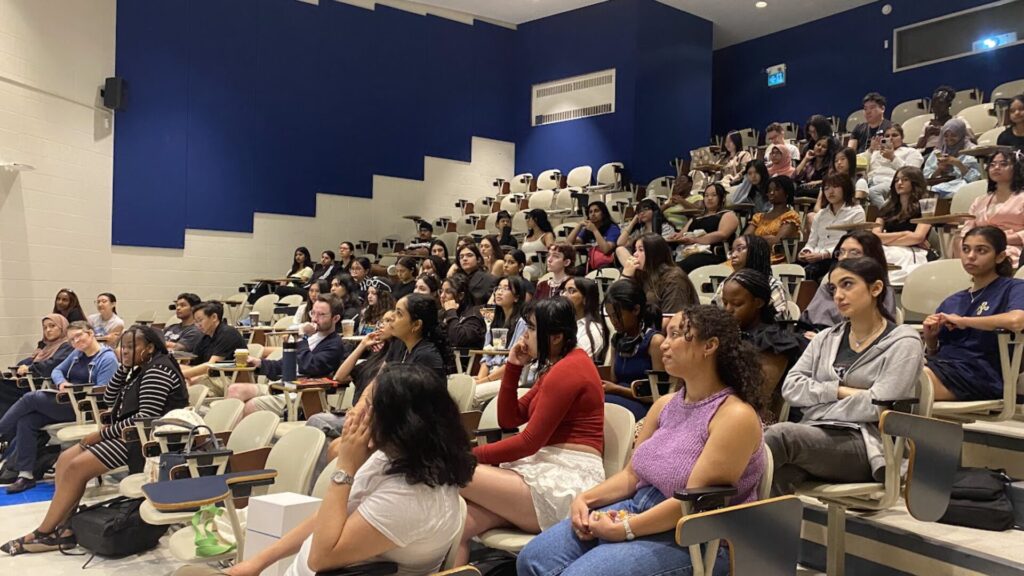
The University of Toronto runs the Blueprint program for Black high school students interested in engineering, science, and related fields. The program offers different learning streams such as engineering, human health, mechatronics, and automation, allowing you to focus on an area aligned with your interests.
Teaching and facilitation are led by master’s and doctoral students, alongside structured workshops and academic support activities throughout the year.
Why it stands out: The program provides a structured year-long learning experience with ongoing mentorship and academic exposure in engineering and science for Black high school students.
15. University of Ottawa Summer Enrichment Program
Location: Ottawa, Canada
Cost/Stipend: CAD 375 per week
Acceptance rate/cohort size: Not disclosed
Application Deadline: Not disclosed
Dates: July 20-24 for Software and Computer Engineering, and Neuro-discovery; August 10-14 for Computer Science and Artificial Intelligence
Eligibility: High school students from grades 9 through 12; it is unclear if international students can apply
The University of Ottawa offers a Summer Enrichment Program where you explore different STEM subjects through short, focused weekly modules. Each week, you can choose a new area of study such as civil and environmental engineering, computer science and artificial intelligence, software engineering, pre-medicine, or introductory science topics, depending on availability.
You also take part in mentoring sessions led by university students and professionals from relevant industries, giving you insight into academic pathways and career options in STEM.
Why it stands out: The program lets you rotate through multiple STEM disciplines in a structured format while receiving guidance from both university students and industry professionals.
Where Coding Curiosity Meets the Future of Learning
Coding becomes more meaningful when it moves from syntax to purpose, especially when students build tools, prototypes, and AI systems that solve real problems.
The software development & AI summer programs in Canada for high school students featured here show how technical learning can become collaborative, creative, and career-focused.
Across these programmes, you can test Python, automation, app development, machine learning, product design, and problem-solving before committing to a future tech pathway.
To keep exploring how technology is changing education, browse our Educational Innovation blogs for edtech insights, teaching trends, future skills, and career guidance for learners and educators alike.