
 Русский (RU)
 Українська (UK)
 Türkçe (TR)
 Italiano (IT)
 Français (FR)
 Português (PT)
 中文 (中国) (ZH)
 Español (ES)
 日本語 (JA)
 ไทย (TH)
 Deutsch (DE)
 Ελληνικά (EL)
 Polski (PL)
 Bahasa Indonesia (ID)
 Nederlands (NL)
 العربية (AR)
 한국어 (KO)

Few skills will help you more in high school, college, and your future career than the ability to write clearly. Strong writing helps you communicate ideas, persuade people, explain complex topics, and tell compelling stories. If you’re looking to improve while school is out, summer writing camps for high school students can give you focused time to practise, revise, and grow.
Imagine spending a few weeks writing articles, creating fictional worlds, crafting essays, conducting interviews, or experimenting with different forms of storytelling. You’ll learn from experienced instructors, receive detailed feedback, and see how other students approach the writing process. In many cases, you’ll leave with stronger writing samples and a clearer understanding of your own strengths as a writer.
How do you choose the right summer writing camp?
Not every writing camp is designed for the same audience. Some focus heavily on journalism, while others center around creative writing, poetry, screenwriting, or academic writing. Before choosing a program, it helps to think about what type of writing interests you most and what you hope to gain from the experience.
You should also look closely at the structure of the program. The strongest camps usually involve regular writing assignments, workshops, revisions, and individualized feedback. Writing is a skill developed through practice, and programs that prioritize active participation often provide the greatest value.
These experiences can have benefits far beyond the camp itself. Strong writing skills can improve your schoolwork, strengthen future college applications, and help you communicate more effectively in almost any field you pursue.
To help you get started, we’ve put together a list of 15 summer writing camps for high school students!
For adjacent opportunities, consider the online writing program.
Key Takeaways
- Costs range from free, as with the Princeton Summer Journalism Program and Telluride Association Summer Seminar, to $9,636 for Carnegie Mellon’s residential Writing and Culture Program.
- Several free programs are restricted by specific eligibility criteria, including income requirements for the Princeton Summer Journalism Program and geographic restrictions for the NYU Urban Journalism Workshop and Annenberg Youth Academy.
- Program length varies from one week, as with the Yale Young Writers’ Workshop, to six weeks, as with the Telluride Association Summer Seminar.
- Genre-specific programs are common, including Alpha’s focus on speculative fiction and the Iowa Young Writers’ Studio’s tracks in fiction, poetry, playwriting, and TV writing.
- Several journalism-focused programs result in published work, including the Princeton Summer Journalism Program’s Princeton Summer Journal and the NYU Urban Journalism Workshop’s multimedia stories.
- Both virtual and residential formats are available for some programs, including the Yale Young Writers’ Workshop and Kenyon Review Young Writers Workshop, with virtual options generally costing less.
- Immerse Education’s Creative Writing Summer School is one of the few programs open to students worldwide aged 13 to 18, combining genre exploration with personalized feedback at campuses in Oxford and Sydney.
15 Summer Writing Camps for High School Students
1. Princeton Summer Journalism Program (PSJP)
Location: Hybrid (online workshops and residential program at Princeton University, Princeton, NJ)
Cost: Free (Combined household income must not exceed $65,000)
Dates: July – August
Application Deadline: January 26th
Eligibility: High school juniors with a minimum unweighted GPA of 3.5 who meet at least one of the program’s socioeconomic eligibility requirements; international student eligibility not specified
The Princeton Summer Journalism Program introduces you to the foundations of reporting, interviewing, and feature writing through a combination of virtual workshops and an on-campus residential experience. You’ll learn directly from professional journalists, Princeton faculty, and program alumni while exploring topics ranging from politics and economics to race and environmental issues.
Throughout the program, you’ll report on real stories, conduct interviews, and produce articles under the guidance of experienced editors. The curriculum emphasizes journalistic ethics, investigative reporting, and clear communication. Students also have the opportunity to publish their work in The Princeton Summer Journal, giving them experience writing for a real audience.
Why it stands out: Participants produce publishable journalism while receiving mentorship from professional reporters and editors at one of the country’s most selective journalism programs.
2. Immerse Education’s Creative Writing Summer School

Location: Oxford, Sydney
Cost: Varies; summer school scholarship available through our bursary programme
Application Deadline: Multiple summer cohorts with rolling admissions
Program Dates: 2 weeks during the summer
Eligibility: Students worldwide aged 13-18 currently enrolled in middle or high school
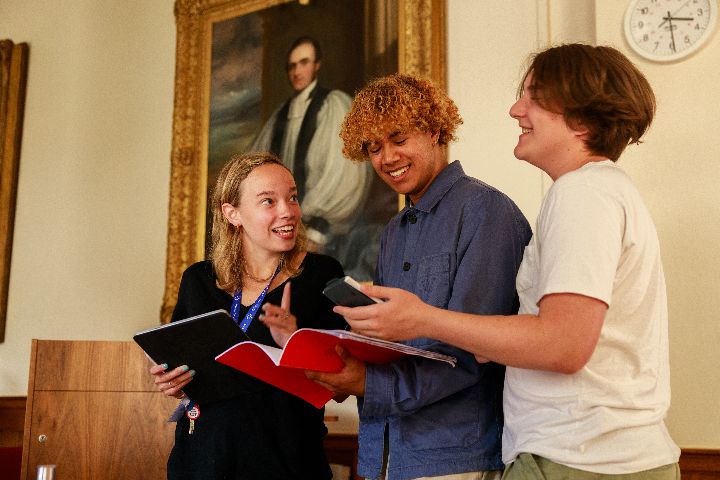
Immerse Education’s Creative Writing Summer School will offer you the opportunity to explore the art of creative writing through building skills in poetry, narratives, and fiction. You’ll participate in workshops, literary analysis and collaborative projects. You’ll receive personalized guidance from experienced writers and explore different genres and writing styles as you find your unique voice as a writer.
Along with becoming a better writer, the program also gives you the experience of university life through thought-provoking discussions and a chance to make like-minded friendships. If you’re a high school student looking for a writing program that can help you master creative writing, build self-confidence, and earn a recognized certificate, then this one is a good option to consider.
Why it stands out: It immerses you in narrative craft, genre exploration, and editorial feedback, helping you develop stronger storytelling skills and a more compelling creative voice.
3. Yale Young Writers’ Workshop
Location: Yale University, New Haven, CT (and virtual option)
Cost: $3,085 with housing; $2,660 without housing
Dates: June 21-27
Application Deadline: April 1st
Eligibility: Rising high school seniors ages 16-18; international student eligibility not specified
The Yale Young Writers’ Workshop offers an intensive week of creative writing focused on fiction, nonfiction, poetry, or graphic storytelling. You’ll spend your days reading published works, participating in discussions, completing writing exercises, and receiving feedback from instructors and peers. The workshop is designed around small-group learning, allowing you to engage deeply with your chosen genre while refining your writing through revision.
Beyond classroom sessions, you’ll participate in experiential activities such as museum visits that serve as inspiration for new creative work. The emphasis on close reading and constructive critique helps you develop stronger writing habits and a more intentional approach to storytelling.
Why it stands out: Small, genre-specific workshops create an immersive environment where students receive detailed feedback from Yale-affiliated instructors and fellow writers.
4. Iowa Young Writers’ Studio Summer Residential Program
Location: University of Iowa, Iowa City, IA
Cost: $2,500 (financial aid available)
Dates: Session 1: June 14-27; Session 2: July 12-25 (Operates parallel 6-week online courses in winter and summer)
Application Deadline: February 1st
Eligibility: Current 10th, 11th, and 12th grade students; international student eligibility not specified
The Iowa Young Writers’ Studio allows you to focus intensively on a single writing discipline, including fiction, poetry, playwriting, TV writing, or creative writing. You’ll participate in daily workshops, writing exercises, literary discussions, and seminars led by instructors affiliated with the renowned Iowa Writers’ Workshop and MFA programs. A major part of the experience involves sharing your work, receiving detailed critiques, and revising your writing through multiple drafts.
Outside the classroom, you’ll attend readings, connect with other young writers, and engage in a creative community centered on the craft of storytelling. The program combines rigorous artistic development with the collaborative atmosphere of a residential writing community.
Why it stands out: Students learn from instructors connected to the Iowa Writers’ Workshop while receiving intensive genre-specific training in a highly respected creative writing environment.
5. Telluride Association Summer Seminar (TASS)
Location: Cornell University, Ithaca, NY, or University of Maryland, College Park, MD
Cost: Free
Dates: June 21st – July 25th
Application Deadline: December 3rd
Eligibility: Rising juniors and seniors ages 15-18; international student eligibility not specified
The Telluride Association Summer Seminar is a six-week academic program that combines intensive discussion-based learning with residential community living. You’ll spend your days analyzing books, essays, films, and historical materials while participating in seminars focused on topics such as Critical Black Studies or Anti-Oppressive Studies. Writing plays a central role throughout the program, with students regularly producing essays, reflections, and analytical work.
Classes are highly discussion-driven, encouraging you to develop and defend ideas through both speaking and writing. Beyond academics, you’ll help govern the residential community, participate in service projects, and attend guest lectures. The program emphasizes intellectual curiosity, critical inquiry, and collaborative learning rather than grades or traditional classroom structures.
Why it stands out: TASS combines rigorous humanities scholarship with a student-governed residential community, creating one of the most selective, fully funded summer programs available to high school students.
6. Kenyon Review Young Writers Workshop
Location: Kenyon College, Gambier, OH (or virtual)
Cost: Virtual: $995; Residential: $2,575
Dates: Online: June 14-19 | Residential: Session One: June 21st – July 4th and Session Two: July 12-25
Application Deadline: Summer Residential deadline is March 1st; Summer Online is late April
Eligibility: Students ages 16-18; international student eligibility not specified
The Kenyon Review Young Writers Workshop is a creative writing program that brings together aspiring writers in a supportive workshop environment. You’ll spend each day reading published works, discussing craft techniques, writing new material, and sharing drafts with peers and instructors. The workshop focuses heavily on revision, helping you learn how professional writers refine ideas through multiple drafts and thoughtful feedback.
You can explore fiction, poetry, and nonfiction while participating in craft talks, author readings, and open mic events. The atmosphere is intentionally collaborative and ungraded, allowing you to experiment with your writing without the pressure of formal evaluation. Individual meetings with instructors also give you the chance to discuss your goals and receive personalized guidance on your work.
Why it stands out: The program mirrors the experience of a working writers’ community, emphasizing daily writing, revision, and close mentorship rather than traditional classroom instruction.
7. Alpha – The Young Writers Workshop
Location: University of Pittsburgh at Greensburg, Greensburg, PA
Cost: $1,950
Dates: July 15-26
Application Deadline: March 1st
Eligibility: Students ages 14-19 who submit an original short story; international student eligibility not specified
Alpha is an intensive residential workshop designed for students interested in speculative fiction, including science fiction, fantasy, and horror. Throughout the program, you’ll work on developing an original story while participating in workshops focused on idea generation, revision, and professional writing practices. You will receive instruction from published authors and industry professionals who provide detailed feedback on both creative and technical aspects of storytelling.
You’ll also learn how writers move from initial concepts to finished manuscripts and explore pathways for sharing work with broader audiences. The program maintains a small cohort, creating a close-knit environment where participants can collaborate and exchange ideas. By the end of the session, you’ll have completed substantial original work while gaining insight into the professional writing process.
Why it stands out: The program focuses specifically on speculative fiction and gives students the rare opportunity to learn directly from acclaimed science fiction, fantasy, and horror authors.
8. Reynolds Young Writers Workshop
Location: Denison University, Granville, OH
Cost: $1,700 (financial assistance available)
Dates: June 19-28
Application Deadline: March 3rd
Eligibility: Rising high school juniors and seniors; international student eligibility not specified
The Reynolds Young Writers Workshop brings together aspiring writers for ten days of intensive creative writing instruction on Denison University’s campus, making it a strong option among summer writing camps for high school students. You’ll participate in workshops focused on fiction, nonfiction, and poetry while receiving guidance from professional authors and university faculty. Daily sessions emphasize the writing process, helping you develop stronger drafts through discussion, critique, and revision.
Beyond workshops, you’ll attend readings, engage in conversations with guest writers, and connect with peers who share similar interests in literature and storytelling. The residential format allows for continuous engagement with writing both inside and outside the classroom. You will leave with a portfolio of work and a deeper understanding of contemporary creative writing practices.
Why it stands out: Participants learn directly from award-winning authors while becoming part of a residential community dedicated entirely to creative writing.
9. Georgetown University Creative Writing Academy

Location: Georgetown University, Washington, D.C.
Cost: Residential: $3,725; Commuter: $3,095; $50 application fee
Dates: July 12-18
Application Deadline: January 31st (early); April 15th (final)
Eligibility: Students in grades 8-12; international student eligibility not specified
The Georgetown Creative Writing Academy introduces students to multiple forms of creative expression through workshops, discussions, and writing exercises. You’ll study fiction, poetry, personal essays, and other literary forms while learning from Georgetown faculty and published authors. The program combines classroom instruction with experiential learning opportunities, including writing activities inspired by museums, galleries, and landmarks throughout Washington, D.C.
You will explore storytelling techniques such as character development, dialogue, structure, and theme while receiving feedback on your own work. You’ll also learn about publishing pathways and professional opportunities within the writing field. By blending literary study with real-world inspiration, the academy encourages students to approach writing from multiple perspectives.
Why it stands out: The program combines creative writing instruction with field-based learning experiences across Washington, D.C., giving students fresh sources of inspiration for their work.
10. Carnegie Mellon Pre-College Writing and Culture Program
Location: Carnegie Mellon University, Pittsburgh, PA
Cost: Residential: $9,636; Commuter: $7,284
Dates: June 20th – July 18th
Application Deadline: February 1st (early); March 1st (final)
Eligibility: High school sophomores and juniors, age 16+; international student eligibility not specified
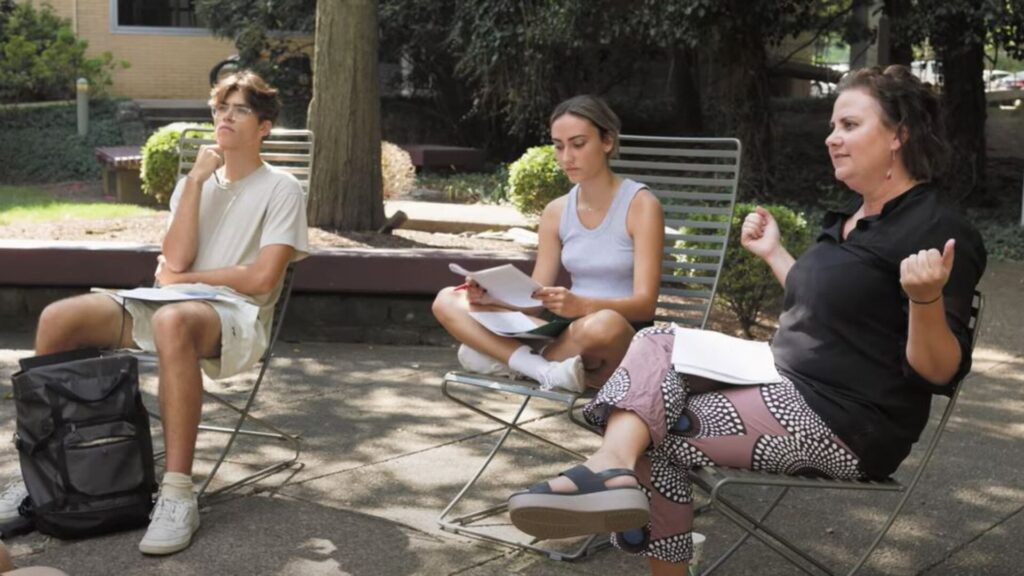
Carnegie Mellon’s Writing and Culture Program explores the intersection of storytelling, media, film, and contemporary culture through a four-week academic experience. You’ll examine how narratives are created across different formats while participating in projects involving digital poetics, short-form writing, and film development.
You will learn to analyze and create stories from both traditional and modern perspectives, gaining exposure to multiple forms of communication and artistic expression. Faculty members guide discussions on cultural interpretation, visual literacy, and creative production while providing individualized feedback on student work. The curriculum encourages experimentation across media and genres.
Why it stands out: Rather than focusing solely on creative writing, the program examines storytelling across writing, film, and digital media through an interdisciplinary university-level curriculum.
11. NYU Urban Journalism Workshop
Location: New York University, New York, NY
Cost: Free (housing and meals included)
Dates: July 13-19
Application Deadline: February 15th
Eligibility: Students age 16+ from New York, New Jersey, and Connecticut; not open to international students
The NYU Urban Journalism Workshop provides students with an immersive introduction to reporting in one of the world’s largest media markets. You’ll live on campus while learning journalism fundamentals from NYU faculty and media professionals. Throughout the program, you’ll conduct interviews, report on local issues, and create multimedia stories based on real-world events across New York City.
You will spend significant time in the field gathering information and developing stories that are ultimately published on the program’s website. The curriculum also includes instruction in digital storytelling, news writing, and media ethics. Visits to major news organizations offer students firsthand exposure to professional journalism environments and newsroom operations.
Why it stands out: Students gain practical reporting experience throughout New York City while publishing original multimedia stories and visiting leading news organizations.
12. Columbia Scholastic Press Association (CSPA) Summer Journalism Workshop
Location: Columbia University, New York, NY, and virtual
Cost: Varies
Dates: In-person (Residential and Commuter): June 21-26 and June 28th – July 3rd | Virtual: July 6-10 | July 13-17 | July 20-24
Application deadline: Varies by format (residential: May 21st; commuter: June 1st; virtual: June 30th)
Eligibility: Students in grades 9-12 (or rising college freshmen) from U.S./international schools following the American curriculum
For students comparing summer writing camps for high school students with a journalism focus, the Columbia Scholastic Press Association Summer Journalism Workshop offers a focused introduction to journalism, media production, and publication leadership. You’ll choose from specialized tracks such as reporting and writing, digital media, editorial leadership, broadcast journalism, or publication design. Classes are taught by Columbia instructors and experienced journalism professionals who guide students through hands-on newsroom-style projects.
Throughout the program, you’ll strengthen your reporting, interviewing, editing, and storytelling skills while learning how student publications operate. Residential participants also gain access to campus resources and media-focused activities.
Why it stands out: Students can specialize in specific journalism and media disciplines while learning from professionals associated with one of the country’s leading journalism institutions.
13. Annenberg Youth Academy for Media and Civic Engagement
Location: Los Angeles, CA
Cost: Free
Dates: June 16th – July 3rd
Application Deadline: April 14th
Eligibility: High school students who live and attend school in Los Angeles County; not open to international students
The Annenberg Youth Academy for Media and Civic Engagement introduces students to the relationship between media, journalism, and civic participation through a three-week intensive program. You’ll engage in college-level coursework covering communication, public discourse, journalism, and media literacy. You will develop writing, public speaking, debate, and critical thinking skills while exploring how the media shapes public understanding of important issues.
The academy also provides opportunities to interact with scholars, journalists, and industry professionals who share insights into careers in media and communication. Alongside academic instruction, you’ll learn about pathways into higher education and media-related fields.
Why it stands out: The academy combines journalism and communication training with a strong focus on civic engagement and media literacy at USC Annenberg.
14. Sewanee Young Writers Conference
Location: The University of the South, Sewanee, TN
Cost: $2,600
Dates: June 28th – July 11th
Application Deadline: March 2nd
Eligibility: Students in grades 9-11 interested in writing; international student eligibility not specified
The Sewanee Young Writers Conference offers two weeks of intensive creative writing instruction within a residential community of aspiring writers. You’ll participate in daily workshops, attend craft talks, and receive feedback from faculty members with significant literary accomplishments. The program emphasizes close mentorship, giving students opportunities to meet one-on-one with instructors to discuss their writing and creative goals.
In addition to workshops, you’ll attend readings, Q&A sessions with guest authors, and community events designed to foster collaboration among participants. The campus setting also allows students to balance writing with outdoor activities and informal conversations with peers.
Why it stands out: Students receive direct guidance from nationally recognized authors while participating in one-on-one conferences and intensive writing workshops.
15. Medill-Northwestern Journalism Institute (Cherubs)
Location: Northwestern University, Evanston, IL
Cost: $5,000 program fee plus $50 application fee (financial aid available)
Dates: June 29th – July 25th
Application Deadline: March 6th
Eligibility: Rising high school seniors; international student eligibility not specified
The Medill-Northwestern Journalism Institute, commonly known as “Cherubs,” is a four-week residential journalism program that introduces students to professional reporting across multiple media formats. You’ll study news writing, feature reporting, editing, photojournalism, audio storytelling, and broadcast journalism through an intensive schedule of classes and workshops. You will complete numerous reporting assignments while receiving detailed critiques from Medill faculty and working journalists.
The program combines classroom instruction with field reporting experiences and visits throughout the Chicago area. As you build your portfolio, you’ll gain experience producing journalism under deadlines and adapting stories for different platforms. The curriculum mirrors many aspects of college-level journalism education, providing a realistic introduction to the field.
Why it stands out: Participants receive extensive multimedia journalism training through one of the most well-known pre-college journalism programs in the United States.
Frequently Asked Questions: Summer Writing Camps for High School Students
What is a summer writing camp for high school students?
A summer writing camp is a structured program that helps high school students develop their writing through workshops, feedback, and instruction from experienced writers or journalists. Programs typically focus on a specific area, such as fiction, poetry, journalism, or screenwriting, and involve daily writing, revision, and peer critique. Many are hosted on university campuses and led by published authors or faculty members. Most conclude with a finished portfolio, published piece, or final presentation of the student’s work.
Do I need writing experience to apply?
No, most summer writing camps do not require extensive prior writing experience, though a genuine interest in storytelling or reporting is expected. Programs like the Kenyon Review Young Writers Workshop and Reynolds Young Writers Workshop are designed to be ungraded and supportive, focusing on growth through daily practice rather than starting skill level. Immerse Education’s Creative Writing Summer School follows a similar approach, introducing poetry, narrative, and fiction techniques while helping students find their own voice. A willingness to write and revise matters more than prior accolades.
How much do summer writing camps cost?
Costs range from free to $9,636 for Carnegie Mellon’s residential Writing and Culture Program. Free options include the Princeton Summer Journalism Program and the Telluride Association Summer Seminar, both of which have specific eligibility requirements. Mid-range programs include the Yale Young Writers’ Workshop at around $2,660 to $3,085 and Immerse Education’s Creative Writing Summer School, which offers bursary support for eligible students. Financial aid is available at several other programs as well, so it’s worth checking directly with each one.
Can international students attend summer writing camps?
Eligibility varies considerably across these programs. Several free or regional programs, including the NYU Urban Journalism Workshop and Annenberg Youth Academy, are restricted to students from specific states or counties and are not open to international applicants. Immerse Education’s Creative Writing Summer School is open to students worldwide aged 13 to 18, with campuses in Oxford and Sydney. Many university-run residential programs don’t specify international eligibility on their pages, so it’s worth confirming directly before applying.
What age do I need to be to apply?
Age requirements vary by program, generally ranging from 13 to 19 years old. Immerse Education’s Creative Writing Summer School accepts students aged 13 to 18 from anywhere in the world, while Alpha welcomes students aged 14 to 19 who submit an original short story as part of their application. Most other programs, including the Yale Young Writers’ Workshop and Iowa Young Writers’ Studio, target rising juniors and seniors in the 16 to 18 age range.
What’s the difference between creative writing and journalism camps?
Creative writing camps, such as the Iowa Young Writers’ Studio and Immerse Education’s Creative Writing Summer School, focus on fiction, poetry, and narrative craft through workshops and personalized feedback. Journalism camps, including the Princeton Summer Journalism Program and Medill-Northwestern Journalism Institute, emphasize reporting, interviewing, and editing, often resulting in published articles. The right choice depends on whether you’re more interested in inventing stories or investigating and reporting on real ones.
How do summer writing camps help with college applications?
Completing a writing camp demonstrates initiative and a developed interest in storytelling or journalism, both of which admissions officers value. Programs like the Princeton Summer Journalism Program let students publish real articles, giving them a concrete writing sample for applications. Immerse Education’s Creative Writing Summer School provides a recognized certificate of completion along with personalized feedback, which students can reference directly in personal statements and interviews.
Will my work actually get published or presented?
Yes, many summer writing camps end with students sharing or publishing their work in some form. The Princeton Summer Journalism Program publishes student writing in The Princeton Summer Journal, and the NYU Urban Journalism Workshop has students publish multimedia stories on the program’s website. Creative writing focused programs, including Immerse Education’s Creative Writing Summer School, typically conclude with a finished portfolio and written feedback rather than formal publication, but still give students a tangible body of work to share.
Using Great Books to Strengthen Writing
A strong writing camp gives you more than prompts and feedback. It helps you understand structure, voice, character, revision, and purposeful storytelling.
The summer writing camps for high school students highlighted in this guide cover journalism, fiction, poetry, essays, screenwriting, and other forms of creative expression.
After camp, reading widely can keep your skills growing by showing how different authors build scenes, shape language, and sustain a reader’s attention.
Searching for books that can spark your next piece? Visit our Creative Writing Top Books Guide and start shaping your reading list today.