If you’re a high school student interested in coding, artificial intelligence, or software development, you may already be exploring programming languages or building small projects. But beyond school assignments and online tutorials, you might still wonder what studying computer science at a deeper, university-level truly involves. That is exactly why computer science summer programs in California for high school students can be such a valuable way to explore the field in one of the world’s leading centres for technology and innovation.

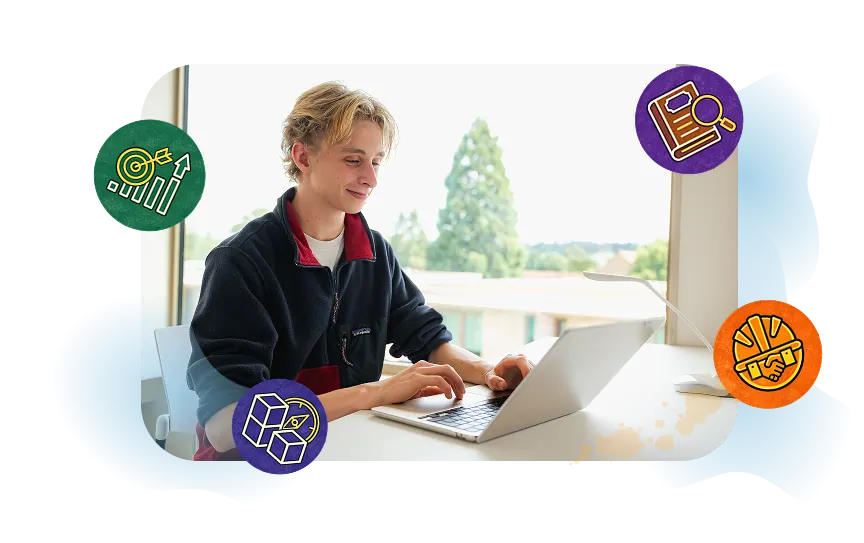
Imagine spending your summer in California, attending classes at leading universities or tech-focused institutes. Picture working on coding projects, building applications, or experimenting with AI models while collaborating with peers from around the world. These experiences combine academic rigour with hands-on learning, giving you insight into both university-level study and real-world applications.

How do you choose the right computer science summer programs in California for high school students?

With many options available, it’s important to distinguish between programs that offer surface-level introductions and those that provide meaningful, hands-on experience. Some focus on lectures, while others emphasize project-based learning, research, and mentorship. Thoughtful research helps ensure you find a program that aligns with your interests and skill level.

You’ll learn from experienced instructors, collaborate with motivated peers, and develop essential skills such as logical thinking, problem-solving, and teamwork. Along the way, you’ll gain a clearer understanding of what studying computer science at the university level and pursuing careers in tech might truly involve.

To help you get started, we’ve curated a list of 15 Computer Science Summer Programs in California for High School Students. They’ve been selected for their academic quality, hands-on learning opportunities, and strong connections to one of the world’s most influential tech ecosystems.

If you’re looking for more options, you can also have a look at online coding summer programs for high school students.

15 Computer Science Summer Programs in California for High School Students

1. CyberAI: Navigating the AI-Empowered Future

Location: San Jose State University (SJSU), CA
Cost: None
Acceptance rate/cohort size: Limited spots
Dates: June 22-26
Application Deadline: April 13th
Eligibility: Local high school students (completing grades 9-12)

The CyberAI: Navigating the AI-Empowered Future program at San Jose State University is a 5-day summer camp where you explore the intersection of cybersecurity and artificial intelligence through hands-on lab work. You engage in practical exercises like network security analysis, threat detection, and basic ethical hacking, using AI-based tools to identify patterns and mitigate cyber risks.

The program introduces how machine learning models can be applied in areas like intrusion detection and anomaly analysis, while also covering core cybersecurity concepts such as system vulnerabilities and defense strategies. Sessions are led by faculty and students, combining technical instruction with interactive workshops and guided lab activities.

Why it stands out: You see how AI is used in cybersecurity systems by working through threat detection and defense tasks, not just learning the concepts.

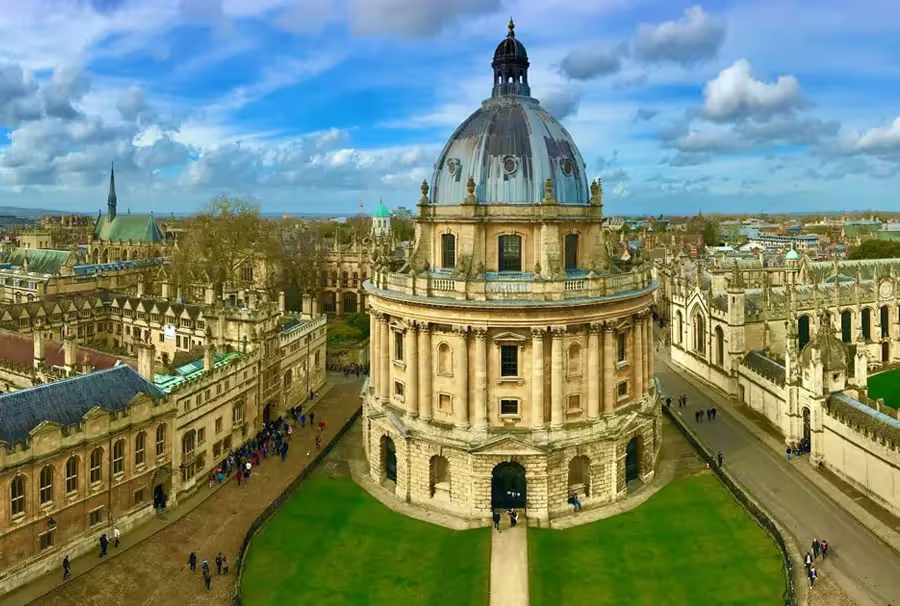
2. Immerse Education’s Computer Science Summer School

15 Computer Science Summer Programs in California for High School Students 1

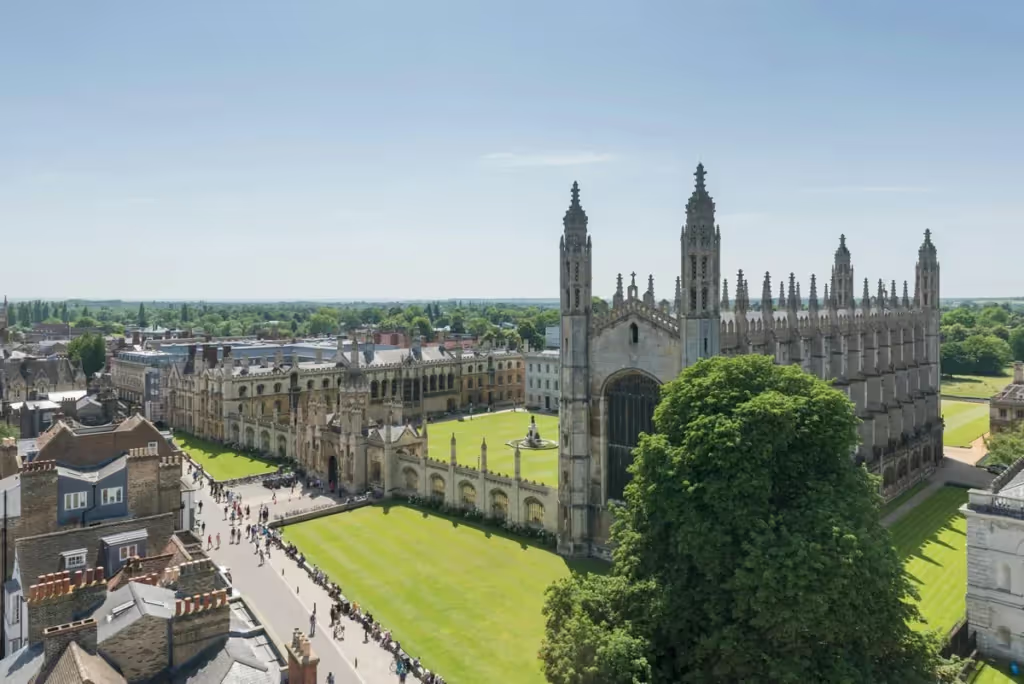
Location: Oxford, Cambridge, and Online
Cost: Varies; summer school scholarship available through our bursary programme
Acceptance rate/cohort size: Selective; an average of 7 participants per class
Dates: Multiple cohorts 
Application Deadline: Multiple summer cohorts with rolling admissions
Eligibility: Students worldwide aged 13-18 currently enrolled in middle or high school

The Immerse Education Computer Science Summer School by Immerse Education is a short-term academic program where you build a foundation in computer science through topics like algorithms, data structures, programming languages, and object-oriented design. You work on coding exercises and collaborative challenges, applying concepts such as problem decomposition, logic building, and basic database or data security principles.

The program emphasizes active learning through discussions and guided tasks, with a focus on implementing code to solve structured problems. You also complete an individual project, where you design and build a solution that demonstrates your understanding of programming concepts and workflows.

Why it stands out: Covers core CS fundamentals with a focus on coding practice and an individual project.

3. Santa Clara Summer Engineering Seminar (SES)

Location: Santa Clara University, Santa Clara, CA
Cost: None
Acceptance rate/cohort size: Highly selective
Dates: SES Introduction (Year-One): Session One: July 12-16, Session Two: July 19-23 | SES Advanced (Year-Two) Returning Participants: July 26-30
Application Deadline: March 31st
Eligibility: Current 10th and 11th graders, but priority is given to sophomores who have limited prior exposure to engineering; international students are welcome to apply

The Santa Clara Summer Engineering Seminar (SES) at Santa Clara University is a five-day residential program where you explore multiple engineering fields, including computer science, through hands-on workshops, lab activities, and team-based projects. You engage with core concepts across areas like software, electrical, and mechanical engineering, applying them to practical problems through guided exercises and collaborative tasks.

The program combines short lectures with implementation-focused activities, helping you understand how engineering principles are used in real-world and humanitarian contexts. You also interact with faculty and undergraduate mentors while experiencing campus life and working in teams to complete structured projects.

Why it stands out: You get a short but concentrated exposure to how different engineering fields, including CS, come together through team-based problem-solving.

4. Stanford STaRS Internship Program

Location: Stanford University, Stanford, CA
Cost: None
Acceptance rate/cohort size: 20 students
Dates: June 15th – August 7th
Application Deadline: Typically closes in November
Eligibility: Domestic high school students who are at least 16+ years old at the start of the program

The Stanford STaRS Internship Program at Stanford University is an 8-week research experience where you work on biomedical and computational projects related to reconstructive surgery and medical innovation. You work with clinician scientists on topics like tissue engineering, prosthetics, and 3D printing, while also engaging with data analysis and technology used in medical research.

The work involves understanding how biological systems are modeled, analyzing case data, and in some projects, applying computational tools to study outcomes or simulate medical solutions. You will also participate in research discussions, workshops, and mentorship sessions that focus on how technology integrates with surgical and biomedical workflows.

Why it stands out: You understand how computational tools fit into medical research by working alongside clinicians on real biomedical problems

5. Stanford AI4ALL

Location: Stanford University, Stanford, CA, or Online
Cost: Online: $4,120; Residential: $9,800
Acceptance rate/cohort size: Competitive admission
Dates: Online: June 15-26; Residential: July 19-31
Application Deadline: February 6th
Eligibility: Students worldwide currently in grade 9; aged 14–16

The Stanford AI4ALL program at Stanford Institute for Human-Centered Artificial Intelligence is a two-week introduction to artificial intelligence where you explore core AI domains through guided projects and technical sessions. You work on hands-on group research in areas like computer vision, natural language processing, robotics, and medical AI, applying basic machine learning concepts to real-world problems.

The program includes lectures and demos that break down how models are trained, evaluated, and deployed, along with discussions on ethical considerations such as bias, fairness, and societal impact. You also engage in workshops and mentorship sessions with researchers and practitioners, helping you understand both the technical foundations and practical applications of AI systems.

Why it stands out: You build a working understanding of AI systems while also seeing how they are applied, evaluated, and questioned in real-world contexts.

6. UC Irvine ICS Summer Academy

Location: UC Irvine campus, Irvine, CA
Cost: $2500 per session
Acceptance rate/cohort size: Competitive admissions 
Dates: Session 1: July 6-17; Session 2: July 20-31 (Student can take part in both sessions)
Application Deadline: April 12th
Eligibility: Rising domestic and international high school students

The UC Irvine ICS Summer Academy is one of the more specialised computer science summer programs in California for high school students, giving you the chance to study university-level topics through tracks like artificial intelligence, cybersecurity, data analytics, and software engineering. You work on coding labs and guided projects, applying concepts such as data analysis, basic machine learning workflows, secure system design, or software development practices, depending on your track.

The program involves hands-on implementation, group discussions, and collaboration with faculty and students, with a focus on solving structured, real-world problems. Each session ends with a capstone presentation where you explain your project, methodology, and results.

Why it stands out: You work through a specific CS track in depth, applying concepts through labs and ending with a structured project presentation.

7. UCSD Research Experience for High School Students

Location: University of California, San Diego, CA 
Cost: $2000
Acceptance rate/cohort size: Competitive admissions 
Dates: June 8th – July 31st
Application Deadline: March 15th
Eligibility: Students in grades 10-12; Southern California residents; At least 16 years of age. Check more details here

The UCSD Research Experience for High School Students (REHS) at the San Diego Supercomputer Center is an 8-week program where you work on computational research projects in areas like machine learning, data visualization, and high-performance computing. You work with researchers to build and train models (e.g., using Python and TensorFlow), analyze large datasets, and develop algorithms for applications such as bioinformatics or climate modeling.

You also learn how to structure research, formulating hypotheses, running computational experiments, and interpreting results. In the non-research track, you engage in coding workshops and technical sessions covering topics like cybersecurity, robotics, and natural language processing. 

Why it stands out: You follow the full cycle of computational research, from building models and running experiments to presenting results.

8. Kode with Klossy Summer Camps

Location: Virtual and select in-person cities, including Oakland, CA
Cost: None
Acceptance rate/cohort size: Selective
Dates: Various 2-week sessions from June to August
Application Deadline: Not specified
Eligibility: Young women and gender expansive teens worldwide, aged 13-18

The Kode with Klossy Summer Camps by Kode with Klossy is a two-week coding program where you learn programming through project-based tracks like web development, mobile app development, machine learning, or data science. You work with languages and tools such as HTML, CSS, JavaScript, Python, SQL, and Swift, applying them through daily coding exercises and collaborative tasks.

Depending on your track, you might build dynamic websites, train simple machine learning models (e.g., chatbots using NLP concepts), or analyze datasets to create visualizations. The program emphasizes hands-on implementation, with learning structured around building a final project that demonstrates your understanding of coding concepts and real-world applications.

Why it stands out: You learn programming by building something complete, using industry tools and workflows from the start.

9. Johns Hopkins Explore Engineering Innovation (EEI)

15 Computer Science Summer Programs in California for High School Students 2

Location: Residential or commuter sites nationwide, including various CA locations / Hybrid and online options are also available
Cost: Costs vary by program type and location. Check details here
Acceptance rate/cohort size: Selective
Dates: Varies based on the program type. Check details here
Application Deadline: Applications open in December and are reviewed on a rolling basis. Please check more details here
Eligibility: High school students  (aged 15-17 years) with As and Bs in high school math and science classes and completed a full year of high school chemistry and/or physics, including a lab. Check more details here

The Explore Engineering Innovation (EEI) program at Johns Hopkins University is a multi-week, college-level course where you explore different engineering disciplines through structured, team-based projects while earning college credit. You work in small groups to build programs using devices like the Circuit Playground Express (CPX), applying programming concepts such as inputs/outputs, control flow, and logic to create interactive systems (e.g., a memory game).

The broader program introduces how engineering fields intersect, with projects requiring you to apply math and scientific reasoning to design, test, and refine solutions. You also engage in collaborative problem-solving and present your work in a format similar to college engineering courses.

Why it stands out: You apply programming within broader engineering systems, understanding how code interacts with physical and logical components.

10. California State Summer School for Mathematics and Science (COSMOS)

Location: The program is hosted by the University of California system and is offered at multiple campuses throughout the state
Cost: $5,518 + $46 application fee (financial aid available)
Acceptance rate/cohort size: Competitive admissions (160-200 participants each campus)
Dates: July 5th – August 1st
Application Deadline: February 6th
Eligibility: Students in grades 8-12. COSMOS is limited to California students only

The California State Summer School for Mathematics and Science (COSMOS) at the University of California is a selective four-week residential program where you study advanced STEM topics through a focused “cluster” track. In computer science-related clusters, you work on projects like simulating biological systems using Python or C, applying probability concepts (e.g., random walks), or building and programming robots using platforms like LEGO Mindstorms.

The program combines theory with implementation, writing code for simulations, designing mechanical systems, and testing algorithms in real-world scenarios. You also complete a final project, present your work, and document your learning through journals and discussions, mirroring a research-oriented academic environment.

Why it stands out: You work through a focused cluster, combining coding, simulations, and systems thinking in a structured residential setting.

11. Heithoff-Brody High School Summer Scholars Program

Location: Salk Institute, San Diego, CA
Cost: No cost; Stipend provided
Acceptance rate/cohort size: Not specified 
Dates: June 15th – August 7th
Application Deadline: March 1st
Eligibility: High school students who are San Diego County residents and at least 16 years of age. Check more details here

The Heithoff-Brody High School Summer Scholars Program is an 8-week research internship where you work on an individual project under the mentorship of professional scientists. You engage in lab-based and computational work, learning techniques such as wet lab experimentation, bioinformatics analysis, and data interpretation while contributing to ongoing research. The experience involves designing experiments, analyzing results, and understanding how scientific studies are conducted in a real research environment.

Alongside lab work, you attend seminars, workshops, and biotech site visits that expose you to current developments and career paths in science. The program concludes with a formal presentation of your research through a poster or oral presentation at a symposium.

Why it stands out: You take ownership of a full research project and see how experimental and computational work come together in real labs.

12. Stanford’s Science, Humanities, Technology, Engineering, and Mathematics (SHTEM) Summer Internship

15 Computer Science Summer Programs in California for High School Students 3

Location: Stanford University, Palo Alto, CA
Cost: $95 application fee
Acceptance rate/cohort size: Competitive admission 
Dates: June 22nd – August 14th (tentative)
Application Deadline: February 1st
Eligibility: Current high school junior or senior; US Citizen or Permanent Resident; At least 14 years of age

The Stanford SHTEM Summer Internship at Stanford Compression Forum is an 8-week research program where you work in small teams on interdisciplinary projects combining computer science with fields like linguistics, neuroscience, design, or data science. You are matched to a project based on your interests and collaborate with mentors (faculty, researchers, and students) through regular meetings, research tasks, and discussions.

The work typically involves analyzing data, exploring computational methods, and applying problem-solving approaches across domains such as information systems, communication, or human-centered technology. You contribute to ongoing research by completing structured assignments and collaborating on project outputs over a 30–40-hour weekly commitment.

Why it stands out: You work across disciplines, applying computer science to problems that don’t sit within a single field.

13. Berkeley Lab Director’s Apprenticeship Program

Location: Berkeley Lab Main Campus, Berkeley, CA
Cost: None. A stipend of $500/week
Acceptance rate/cohort size: 20 students 
Dates: June 16th – July 24th
Application Deadline: March 22nd
Eligibility: Students in grades 10 and 11 from Alameda, San Francisco, and Contra Costa counties (full-time residents and enrolled in a school within Northern California), and at least 16 years old

The Berkeley Lab Director’s Apprenticeship Program (BLDAP) at Lawrence Berkeley National Laboratory is a six-week internship where you work on interdisciplinary projects focused on machine learning and data science. You spend most of the week on-site collaborating with researchers, applying Python and data analysis techniques to real-world scientific problems.

The program includes a structured short course covering programming and data science fundamentals, followed by project-based work where you analyze datasets, interpret results, and contribute to ongoing research tasks. You also participate in weekly discussions with STEM professionals, gaining exposure to different technical roles and career paths. The experience concludes with a final presentation of your project, and strong performers may continue with additional coursework or future internships.

Why it stands out: You combine structured learning in Python and data science with actual lab work alongside researchers.

14. Berkeley Summer Computer Science Academy

Location: University of California, Berkeley, CA
Cost: Program fee: $5,197 + Application fee: $25
Acceptance rate/cohort size: No information provided
Dates: June 21st – July 3rd
Application Deadline: March 17th
Eligibility: Domestic and international high school students aged 16-17 by the start of the program, having completed 10th or 11th grade with a minimum 3.0 GPA

The Berkeley Summer Computer Science Academy at the University of California, Berkeley is a two-week introductory CS program where you learn core concepts like algorithm design, recursion, abstraction, and basic data structures through daily coding exercises and projects. Using the Snap! In a programming language as part of Berkeley’s BJC curriculum, you implement logic, build small programs, and solve structured problems to understand how code translates into computational thinking.

The program also introduces AI fundamentals such as supervised learning, reinforcement learning, and generative models. You complete a final programming project where you design and build your own application, applying the concepts covered during the program.

Why it stands out: You build a clear foundation in computational thinking and apply it through structured coding exercises and a final program.

15. AIMI Summer Research Internship

Location: Online (Stanford University)
Cost: $2,400 + $45 application fee; Full financial aid available
Acceptance rate/cohort size: 50 students 
Dates: Session 1: June 15-26, Session 2: July 6-17
Application Deadline: February 20th
Eligibility: U.S. high school students (14+) entering grades 9-12 in the fall

The AIMI Summer Research Internship at Stanford Center for Artificial Intelligence in Medicine and Imaging is a two-week virtual program where you explore how AI and machine learning are applied to real healthcare problems. You attend technical sessions on topics like medical imaging, model development, and evaluation, while working on guided research projects using clinical datasets.

The work involves analyzing data, building or understanding machine learning models (e.g., for image recognition), and evaluating outputs in a healthcare context, such as diagnostics or disease prediction. You also examine practical considerations like data quality, model bias, and ethical use of AI in medicine. Throughout the program, you receive mentorship from researchers and participate in discussions on how AI systems are integrated into clinical workflows.

Why it stands out: You work directly with clinical datasets and see how machine learning models are built, tested, and interpreted in a healthcare setting.

Where AI, Coding, and Teaching Evolve Together

From AI4ALL at Stanford to CyberAI at San Jose State and Berkeley Lab research, these programmes teach computing through hands-on projects, experimentation, and problem-solving.

The computer science summer programs in California for high school students featured here combine coding, ethics, data science, algorithms, and research in genuinely applied settings.

That kind of experience matters because it shows how Python, machine learning, cybersecurity, and collaboration connect in practice, not just in theory or lectures.

Curious where education is heading next? Explore our Educational Innovation blogs for fresh ideas, emerging trends, and smarter ways teaching and technology are evolving.