




 Русский (RU)
 Українська (UK)
 Türkçe (TR)
 Italiano (IT)
 Français (FR)
 Português (PT)
 中文 (中国) (ZH)
 Español (ES)
 日本語 (JA)
 ไทย (TH)
 Deutsch (DE)
 Ελληνικά (EL)
 Polski (PL)
 Bahasa Indonesia (ID)
 Nederlands (NL)
 العربية (AR)
 한국어 (KO)

A lot of people say they want to become a vet because they love animals. That’s a good place to start, but it’s not the full picture. Working in veterinary science also means dealing with uncertainty, understanding biology in detail, and making decisions that can’t always wait. As a high school student, it’s hard to see that side of the field clearly. Vet summer camps for high school students give you a chance to explore what the work actually looks like, not just what it sounds like.
Picture yourself trying to understand why an animal is unwell. You look at the signs, think through possibilities, and realise there isn’t always a clear answer. You might learn how different systems in the body work, how treatments are decided, or how care changes depending on the animal. Some parts feel straightforward, others a bit challenging, but that’s where the learning starts to feel real.
Why should you consider a veterinary summer camp for high school students?
Camps are different from longer programs or internships in a way that actually works in your favour. They’re short, focused, and immersive, which means you spend most of your time doing, observing, and engaging rather than sitting through heavy theory. In a few days or weeks, you get a clearer sense of whether you enjoy the process, not just the idea of becoming a vet.
Most veterinary summer camps are hosted by universities, animal hospitals, farms, or specialised institutions. They usually combine short lectures with demonstrations, group discussions, and hands-on sessions. You might explore areas like animal anatomy, health, nutrition, or basic clinical approaches while working alongside students who are just as curious about the field.
To make your search easier, we’ve compiled a list of 15 veterinary summer camps for high school students!
For adjacent opportunities, check out the medicine summer program and the online biology program.
15 Vet Summer Camps for High School Students
1. Veterinary Summer Experience – University of Tennessee’s College of Veterinary Medicine
Location: Local vet practices + University of Tennessee, Knoxville, TN
Cost: None
Acceptance rate/cohort size: 12 students per cohort
Dates: June 9th – July 11th
Application deadline: January 30th
Eligibility: Current high school juniors and seniors in Tennessee who are at least 16 years old by June 1st and have a minimum 3.0 GPA
The Veterinary Summer Experience Program is designed to help you understand veterinary medicine through sustained exposure rather than brief workshops. Most of the program takes place in a local clinic, where you observe how veterinarians manage appointments, procedures, records, and communication with pet owners across a full workweek.
In the final portion of the program, the focus shifts to university-based instruction through lectures, lab activities, and clinical learning led by faculty. Because the cohort is small, the experience remains closely supervised and highly personalized.
Why it stands out: You get both extended clinic shadowing and a residential university-based week, so the experience feels closer to a real pre-professional placement than a standard summer camp.
2. Immerse Education’s Veterinary Medicine Summer School
Location: Sydney
Cost: Varies by format; summer school scholarship available through our bursary programme
Application Deadline: Multiple summer cohorts; rolling admissions
Program Dates: 2 weeks during the summer
Eligibility: Students around the world aged 13-18 currently enrolled in middle or high school
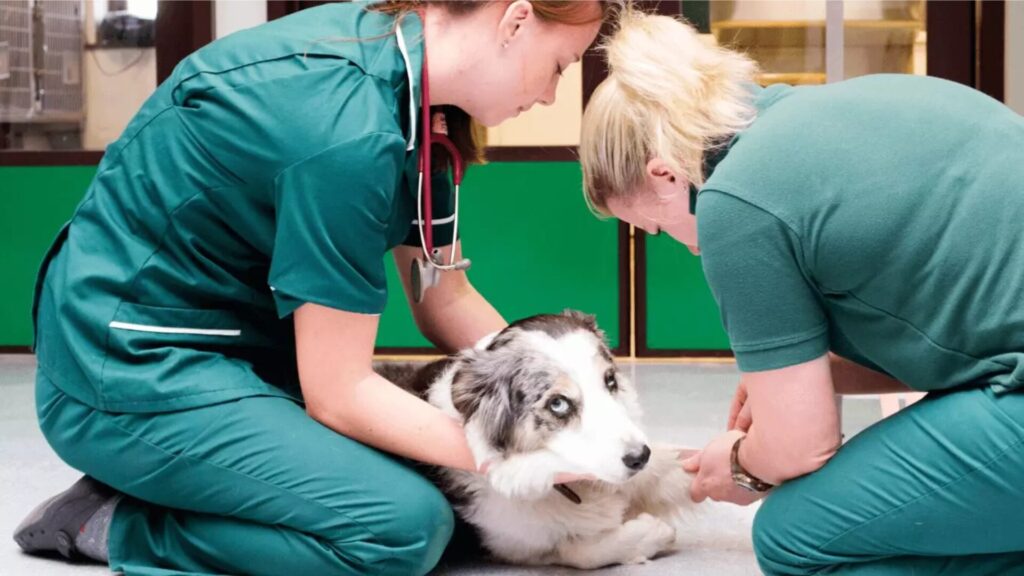
Immerse Education’s Veterinary Studies Summer Programme introduces you to the scientific and ethical foundations of veterinary medicine through university-style teaching and case-based learning. You explore topics such as animal physiology, disease diagnosis, treatment approaches, and animal welfare, guided by experienced tutors. The program uses seminars, group discussions, and real-world case studies to help you understand how veterinary professionals assess and treat different species.
You also develop analytical and communication skills through collaborative projects and guided assignments. The in-person experience includes living in a Cambridge college environment, giving you insight into university life while studying a specialized subject. By the end, you receive a certificate and personalized feedback, helping you evaluate your interest in pursuing veterinary science further.
Why it stands out: You’ll study under expert academics, be guided daily by a university student mentor, complete a project you can show in future applications, and experience genuine university college life — with other campuses worldwide as alternatives.
3. University of Missouri – Advanced Veterinary Academy
Location: University of Missouri, Columbia, MO
Cost: $400
Acceptance rate/cohort size: Not specified
Dates: June 8-12
Application Deadline: March 31st
Eligibility: High school juniors or seniors worldwide, 16+ years; must have spent or be spending time job-shadowing a veterinarian; minimum GPA of 2.7
The Advanced Veterinary Academy is built for students who want more than a broad introduction to veterinary medicine. You move through a tightly organized set of sessions that expose you to how veterinary training works in both the classroom and clinical environment. The academic side includes topics such as anatomy, pathology, toxicology, radiology, comparative medicine, and public health, giving you a wider view of the field than companion-animal care alone.
Clinical components add another layer by showing how students and professionals approach rounds, diagnosis, and surgical settings. The program also includes admissions and interview preparation, which makes it especially relevant if you are already thinking seriously about the long-term path to vet school.
Why it stands out: The program is especially useful if you already have some exposure to veterinary settings and want a more serious, academic look at the field through lectures, labs, and hospital-based observation.
4. University of Georgia – Veterinary Career Aptitude and Mentoring Program (VetCAMP)
Location: University of Georgia, Athens, GA
Cost: $1,000
Acceptance rate/cohort size: Not specified
Dates: May 31st – June 6th
Application Deadline: January 20th
Eligibility: 10th, 11th, or 12th graders ages 16+; international students are not accepted
Among vet summer camps for high school students, UGA’s VetCAMP is especially useful because it introduces veterinary medicine while helping you think critically about your own readiness for the field. Over the course of the week, you move through different parts of the veterinary ecosystem, including the teaching hospital, diagnostic laboratories, and specialised research environments. Those visits are paired with activities and simulations that make the experience more active than a tour-based program.
The mentoring side of the camp is especially good because it focuses on what it takes to become a competitive applicant and what veterinary training actually demands. You also learn about admissions, coursework, and the range of directions available within the profession.
Why it stands out: It combines hands-on exposure with honest self-assessment, helping you evaluate not just what veterinary medicine is, but whether you are prepared for the path.
5. University of Minnesota – VetCamp
Location: University of Minnesota, College of Veterinary Medicine, MN
Cost: $15; fee waiver available
Acceptance rate/cohort size: Not specified
Dates: Multiple sessions throughout the year, including summer
Application Deadline: Varies by session
Eligibility: Students around the world in grades 6-12
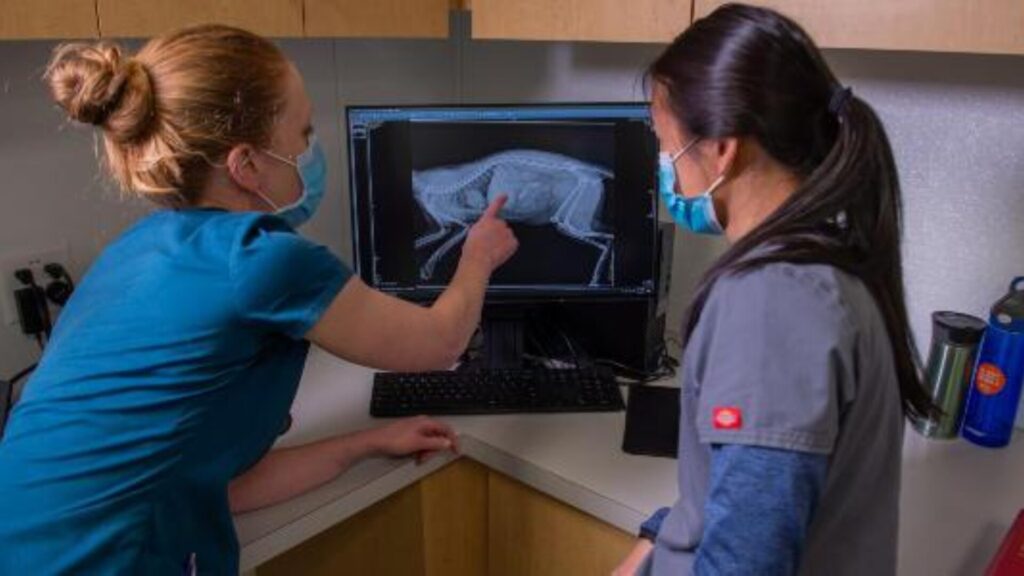
The University of Minnesota’s VetCamp is one of the more accessible vet summer camps for high school students, introducing veterinary medicine through interactive modules designed to keep the learning practical and discussion-based. In this camp, participants work through focused activities that emphasise problem-solving, teamwork, and clinical reasoning. Some sessions centre on simulation animals and case work, while others explore topics like toxicology or the variety of veterinary careers involved in patient care and public health.
Another useful feature is that many of the activities are led by veterinary students, which gives you access to people who are already navigating the training process themselves, giving you room for questions about what studying veterinary medicine actually involves.
Why it stands out: Its module-based format gives you hands-on veterinary learning in shorter, focused sessions, which can be especially appealing if you want exposure without committing to a full residential program.
6. The Ohio State University – Buckeye Vet Camp
Location: Ohio State University, Columbus, OH
Cost: $1,000 + $30 non-refundable application fee
Acceptance rate/cohort size: Not specified
Dates: June 7-12
Application Deadline: April 10th
Eligibility: Rising high school sophomores, juniors, and seniors; international students are welcome to apply
Buckeye Vet Camp is designed to give you a more immersive sense of veterinary medicine than a short workshop or career talk usually can. The program includes seminars, labs, and hands-on skill sessions that introduce the academic and practical sides of the field in a campus setting. You also take part in varied group activities, which helps the week feel collaborative.
A community service component adds another dimension by showing how veterinary interests can connect to wider forms of care and responsibility. Because the program is residential, you also get a closer look at the rhythm of campus life.
Why it stands out: This is one of the stronger options if you want a residential program that blends clinical-skills exposure with a broader look at veterinary student life.
7. University of Florida – Gator Vet Camp
Location: University of Florida, Gainesville, FL
Cost: $1,500 + $25 application fee; limited need-based scholarships available
Acceptance rate/cohort size: Selective
Dates: June 7-12, rising 10th and 11th graders; June 21-26, rising 12th graders
Application Deadline: February 27th
Eligibility: Rising 10th, 11th, and 12th grade students residing in Florida
Gator Vet Camp gives you a structured introduction to veterinary medicine through a mix of practical activities and guided exploration of the field. You spend time working through clinical-skill sessions, visiting veterinary facilities, and learning directly from faculty, staff, and current students. The curriculum is especially useful because it moves beyond the most familiar areas of animal care and introduces fields such as wildlife, large-animal, and aquatic medicine.
The program also pays attention to preparation, making space for conversations about coursework, readiness, and the path into veterinary study. Independent project work adds a more active academic element to the experience.
Why it stands out: The program introduces you to multiple veterinary specialties while also helping you think about academic preparation and college readiness in a university setting.
8. Adventures in Veterinary Medicine High School Program
Location: Cummings School of Veterinary Medicine, Grafton, MA
Cost: $1,800 for the Summer session
Acceptance rate/cohort size: Not specified
Dates: June 22-26
Application Deadline: Opens in early December
Eligibility: Students worldwide who are currently in 9th-12th grades
Tufts’ high school veterinary program brings a skills-forward approach to the different vet summer camps for high school students, introducing the profession through practical clinical tasks and applied learning. Across the week, you work through activities that help you understand how clinical exams, diagnostics, and patient care come together in veterinary settings. The curriculum includes tasks such as bandaging, suturing, reading X-rays, and completing case-based exercises with peers, which keep the learning grounded in application.
You also spend time with farm animals and practice handling and physical-exam techniques in a structured setting. One of the most distinctive features is the simulation lab, where you can try procedures and tools that are normally associated with formal veterinary training.
Why it stands out: You build practical clinical skills in a teaching environment, including work in a simulation lab that mirrors parts of real veterinary training.
9. North Carolina State University – VetCAMP
Location: NC State University, Raleigh, NC, or virtual
Cost: $750 for day campers; additional $250 for overnight campers; $28 application fee for each week you apply to
Acceptance rate/cohort size: Highly competitive; 40 students per week for in-person camps and 250 students for the virtual camp
Dates: Week 1: July 6-10; Week 2: July 13-17; Virtual: June 22-26
Application Deadline: April 6th
Eligibility: U.S. or U.S. Territories residents; rising high school sophomores, juniors, or seniors, with rising college freshmen also accepted; must be 15 years old by July 1st; students who have previously attended in-person VetCAMP are not eligible to apply for in-person VetCAMP, but may still apply to Virtual VetCAMP
NC State’s VetCAMP introduces veterinary medicine through a broad mix of activities that reflect the variety within the profession. You explore the College of Veterinary Medicine itself, learn the basics of a clinic environment, and take part in hands-on sessions that go beyond simple observation. Time spent with horses, sheep, and pigs at the university’s animal education units helps expand your understanding of veterinary care beyond household pets.
Lab-based activities such as suturing and dissection add another layer by connecting animal care to technical skills and anatomical study. You also learn about academic pathways at NC State, which helps place the camp within a larger college context.
Why it stands out: It offers a balanced introduction to small- and large-animal care, with dissection, suturing, and animal-unit experiences all built into the same program.
10. Purdue University – Senior Boiler Vet Camp
Location: Purdue University College of Veterinary Medicine, West Lafayette, IN
Cost: $1,600
Acceptance rate/cohort size: Competitive; 50 students
Dates: June 21-27
Application Deadline: February 2nd
Eligibility: Students around the world entering grades 10-12
Purdue’s Senior Boiler Vet Camp takes a case-based approach that makes it stand out among vet summer camps for high school students. It is built around following a dog through the different stages of assessment, treatment, and readiness for adoption. This structure helps you understand veterinary care as an ongoing process rather than a series of disconnected lessons. Throughout the week, you explore animal behaviour, physical exams, parasitology, surgery preparation, anaesthesia, emergency care, and shelter medicine in a way that stays tied to a real patient context.
Clinical and lab sessions are supported by veterinary faculty, staff, and student counselors, which adds both expertise and mentorship to the experience. You also visit professional facilities and observe how a veterinary hospital and humane society operate behind the scenes. The final presentation component gives you a chance to organize what you learned and communicate it clearly to others.
Why it stands out: The program is unusual in how it centers a single rescue dog’s wellness journey, giving you a more continuous and case-based understanding of veterinary care over the course of the week.
11. Auburn University – 9th and 10th Grade Veterinary Camp
Location: Auburn University, Auburn, AL
Cost: $1,300
Acceptance rate/cohort size: Not specified
Dates: June 22-26
Application Deadline: Not specified
Eligibility: Rising 9th and 10th graders; international students are welcome to apply
Auburn’s veterinary camp introduces you to the field through a wide range of academic and applied experiences across the university’s animal and veterinary resources. You learn in classrooms and labs, but also spend time in outdoor and species-specific facilities that make the program feel varied and concrete.
Topics span companion animals, public health, anatomy, physiology, surgery preparation, research, and the care of farm animals and wildlife. The setting also gives you a more visible sense of how different branches of animal health connect within one college ecosystem. Mentoring is built into the experience, so you are not just seeing the field but also hearing how people build careers in it.
Why it stands out: It gives younger high school students broad exposure across species and settings, from companion animals to raptors, equine facilities, and research environments.
12. SciVet Summer Program
Location: Colorado State University, Fort Collins, CO
Cost: $1,800 residential; $1,200 commuter
Acceptance rate/cohort size: 21 students
Dates: June 22-26
Application Deadline: Typically in February
Eligibility: High school students from all nationalities who are at least 15 years old by June 1st
SciVet brings a stronger research-focused angle to vet summer camps for high school students, especially for students who want to explore veterinary medicine alongside the broader scientific methods that support it. The program includes presentations, demonstrations, and hands-on activities, but a major focus is on carrying out investigations, using tools, and working with data in both lab and field settings.
Topics range widely, from wildlife research and water quality to integrative veterinary medicine and equine-assisted therapy, which gives you a broader sense of how animal health connects to science, ecosystems, and community contexts. Mentoring from staff and guest speakers also adds a professional perspective throughout the week.
Why it stands out: It approaches veterinary medicine through a scientific and investigative lens, making it a strong choice if you are interested in research as much as clinical work.
13. Tuskegee University – VET STEP I & II
Location: Tuskegee University College of Veterinary Medicine, Tuskegee, AL
Cost: None
Acceptance rate/cohort size: 25 students per session
Dates: Vet Step I: June 8-12; Vet Step II: June 22-26
Application Deadline: March 9th
Eligibility: VET STEP I: Rising 9th – 10th graders; VET STEP II: Rising 11th – 12th graders; international students must have accommodation nearby
Tuskegee’s VET STEP program introduces veterinary medicine through a one-week residential experience that combines structured academics with hands-on engagement. Students take part in classes, laboratory activities, discussions, presentations, and field trips that bring different parts of the profession into view.
The curriculum is split by level, with one session introducing foundational areas such as anatomy, pathology, radiology, research, and public health, while the other moves into more advanced topics like emergency medicine, parasitology, reproduction, and small- and large-animal care. This tiered design helps the program feel more purposeful for students at different points in high school.
Why it stands out: The program combines residential campus immersion, academic rigor, and field-specific veterinary topics in a setting that is intentionally designed to support students considering the profession seriously.
14. The National Student Leadership Conference (NSLC) – High School Summer Veterinary Medicine Program
Location: Virginia Tech, Blacksburg, VA
Cost: $4,295
Acceptance rate/cohort size: Selective
Dates: June 13-21; June 25th – July 3rd; July 7-15
Application Deadline: Rolling
Eligibility: High school students around the globe
NSLC’s veterinary medicine program introduces you to animal health through a mix of academic sessions, simulations, and leadership-oriented programming. You work through topics such as anatomy, physiology, diagnostics, pathology, and clinical decision-making in a format designed to feel more active than a standard lecture course. Labs and case-based exercises help you see how veterinarians interpret symptoms, evaluate evidence, and decide on treatment approaches across species.
The program also includes guest speakers and field-based experiences that expand your understanding of career paths connected to veterinary medicine and public health. What makes it different from many subject camps is that leadership development runs alongside the scientific content rather than being treated as an extra.
Why it stands out: It combines veterinary science instruction with leadership training, which can appeal if you want to build communication and decision-making skills alongside technical exposure.
15. Eckerd College – Pre-College Animal Studies
Location: Eckerd College, St. Petersburg, FL
Cost: $1,975
Acceptance rate/cohort size: Not specified
Dates: June 14-19
Application Deadline: First-come, first-served
Eligibility: Students worldwide entering 10th, 11th, or 12th grade in the fall
Eckerd’s Pre-College Animal Studies program is best suited to students who are interested in animals but want to explore that interest through multiple academic lenses. The curriculum draws from the sciences, social sciences, and humanities, so you examine animal-related questions through behavior, research, conservation, enrichment, and ethics.
Faculty-led classes are paired with citizen-science wildlife surveys and off-campus visits that help ground discussion in real environments and institutions. You also develop research, communication, and analytical skills that transfer well across majors.
Why it stands out: Rather than focusing narrowly on clinical veterinary practice, it helps you explore animals through scientific, ethical, behavioral, and conservation-based perspectives in a college-style format.
Turn Animal Care Experience Into University Readiness
Loving animals may spark your interest, but veterinary study asks for observation, patience, scientific thinking, and comfort with difficult decisions.
The 15 vet summer camps for high school students featured here show that range through clinic shadowing, anatomy labs, simulations, farm work, and case-based learning.
By comparing these options, you can notice which parts of the field genuinely hold your attention, from diagnostics to animal welfare.
To shape that experience into a stronger next step, explore our University Preparation blogs for personal statements, interviews, entry requirements, academic writing, and supercurriculars.