
 Русский (RU)
 Українська (UK)
 Türkçe (TR)
 Italiano (IT)
 Français (FR)
 Português (PT)
 中文 (中国) (ZH)
 Español (ES)
 日本語 (JA)
 ไทย (TH)
 Deutsch (DE)
 Ελληνικά (EL)
 Polski (PL)
 Bahasa Indonesia (ID)
 Nederlands (NL)
 العربية (AR)
 한국어 (KO)

If you are a high school student fascinated with how substances react, transform, and shape the world around us, chemistry camps in the UK for high school students offer a chance to explore the subject far beyond the classroom. These programmes combine hands-on experimentation with university-level learning, allowing you to build advanced scientific skills in areas such as titration, spectroscopy, organic synthesis, lab safety, and analytical instrumentation.
Through guided lab work, collaborative projects, and exposure to real research environments, you will gain a deeper understanding of how chemistry is applied in medicine, engineering, environmental science, and industry. At the same time, living and learning on a university campus can help you experience the pace, independence, and academic culture of higher education firsthand.
Why should I consider chemistry camps in the UK?
The UK has long been a global leader in scientific discovery, making it an exciting place for high school students to explore chemistry in an academic setting. Home to some of the world’s most respected universities and research institutions, the UK offers direct exposure to cutting-edge scientific work in fields such as pharmaceuticals, sustainable energy, materials science, and biotechnology. The country’s strong connections to the pharmaceutical and chemical industries give students insight into how chemistry is applied in the real world , from drug development and medical research to environmental innovation and industrial manufacturing.
Chemistry programs in the UK can act as a foundation for your college journey, giving you a taste of what university life is like at a top institution, in person. Combined with access to museums, science centers, and historic scientific landmarks, the UK provides an immersive environment that helps you see chemistry as a dynamic and impactful field of study.
To help make your search easier, we have put together a list of 15 chemistry camps in the UK for high school students.
For related options, you can have a look at the online chemistry program, summer camps in Oxford, summer camps in Cambridge, and summer camps in London.
15 Chemistry Camps in the UK for High School Students
1. University of Oxford’s UNIQ Summer Programme: Chemistry Track
Location: University of Oxford, Oxford, UK
Cost: Free!
Acceptance rate/Cohort size: Not specified
Dates: July 13-17 + events during the year
Application deadline: January 13th
Eligibility: UK and Islands state school students in Year 13 (Northern Ireland), S5 (Scotland), or Year 12 (England/Wales), who are under 18 and have at least six GCSEs (or National 5s in Scotland) with at least one grade 7/A or above, and are currently studying Maths and Chemistry to A level; priority is given to applicants from underrepresented backgrounds
The University of Oxford offers high school students a free camp-like academic learning experience through the UNIQ program. The program is split into three parts: an introductory virtual chat with UNIQ staff, in-person regional events in the spring, and a week-long subject-specific summer residential camp-like experience at a University of Oxford college. During the residential component, you can choose the chemistry track to attend lectures, seminars, labs, and tutorials focused on physical, inorganic, and organic chemistry.
During the week, you will get a glimpse into student life on campus and opportunities to connect with current Oxford students. After the summer program, UNIQ offers continued online support to help you with your admissions, UCAS application, and interview preparation.
Why it stands out: This free program lets you explore chemistry at the undergraduate level, prepare for college and beyond, and learn how to draft a strong application, and offers long-term support.
2. Immerse Education’s Chemistry Summer School
Location: Oxford and Cambridge
Cost: Varies; summer school scholarship available through our bursary programme
Acceptance rate/Cohort size: Selective; an average of 7 participants per class
Application deadline: Multiple summer cohorts; rolling admissions
Dates: Two weeks during the summer
Eligibility: Students, ages 16-18; open to international students
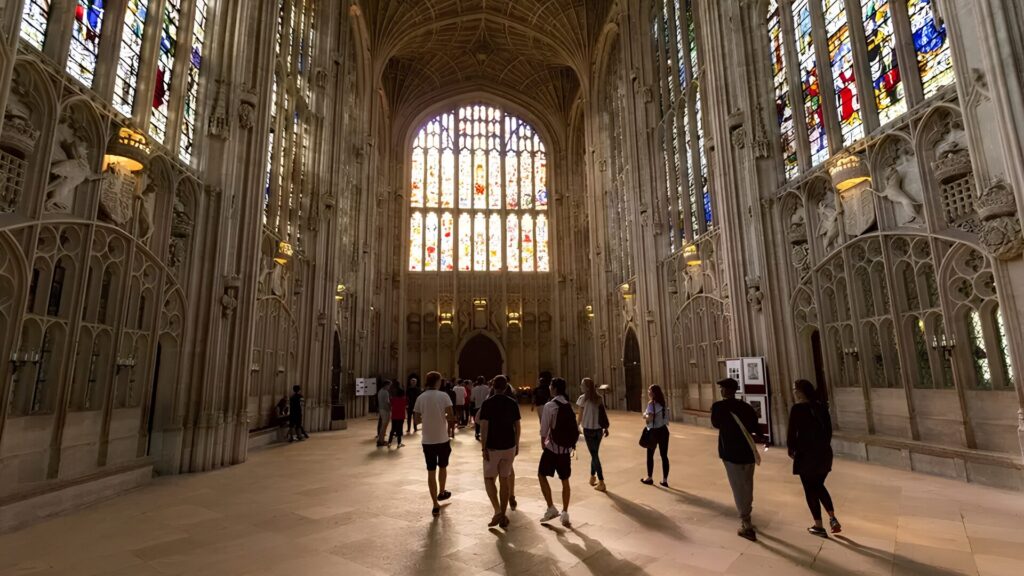
Immerse Education’s Chemistry Summer School is one of the most university-focused chemistry camps in the UK for high school students, giving you the chance to experience academic life firsthand. You will live on campus and study in small groups of 7–10, learning from tutors from top universities like Oxford and Cambridge. In the chemistry track, you will study physical chemistry, organic chemistry, and biochemistry to build a solid foundation for college.
Through theoretical analysis, lab experiments, and group projects, you will develop scientific skills, analytical thinking, and problem-solving abilities essential for STEM education. By the end of the program, you will complete a personal project, get written feedback, and receive a certificate of completion. You can find more details about the application here.
Why it stands out: You will study under expert academics, work with a university student mentor, complete a project you can show in future applications, and experience real university college life .
3. Imperial College London’s Year 10 Insights Summer School
Location: Imperial College London South Kensington Campus, London
Cost: Free
Acceptance rate/Cohort size: Not specified
Application deadline: March 11th
Dates: July 29th – August 1st
Eligibility: Students currently in Year 10 who live and go to school in the UK; applicants should be on track to achieve at least five GCSEs at grades 7-9, including maths and sciences, and at least a grade 5 in GCSE English Language. Students from backgrounds underrepresented in higher education are prioritised
This is a four-day, three-night residential camp-like program at Imperial College London, aimed at Year 10 students who are interested in studying science or engineering after their GCSEs. You choose between a science stream or an engineering stream, each with its own timetable of sessions. In the science stream, you will take part in hands-on practicals and workshops in real undergraduate labs covering subjects like chemistry, physics, biology, and maths.
The engineering stream covers various fields of engineering through hands-on activities and exposure to technology being developed in research labs. You will stay in university halls of residence and work closely with undergraduate student mentors throughout your time on campus. At the end of the week, you will take part in an academic-style conference where you will work in groups to prepare and present a poster explaining a concept you learned during the program.
Why it stands out: It offers exposure to STEM disciplines and life on a campus at no cost, making it an accessible option to explore in Year 10.
4. University of Cambridge’s Sutton Trust Summer School: Chemistry Track
Location: University of Cambridge, Cambridge
Cost: Free
Acceptance rate/Cohort size: Not specified
Application deadline: TBA
Dates: August 17-21
Eligibility: Students in S5 (Scotland), Year 12 (England & Wales), or Year 13 (Northern Ireland) from state-funded schools; priority given to high-achieving students from underrepresented or disadvantaged backgrounds, including first-generation university applicants, students on free school meals/EMA, students from low-progression areas, and care-experienced or refugee/asylum-seeking students
The University of Cambridge Sutton Trust Summer School is a fully funded residential five-day program that allows you to stay in Cambridge colleges while exploring a subject area in depth. You can choose courses in chemistry, biochemistry, or related disciplines to explore university-level STEM academics through lectures, tutorials, discussions, and academic workshops.
Throughout the program, you will engage with academic staff and current undergraduate students through small-group sessions, Q&As, and collaborative discussions. The curriculum additionally focuses on skills such as independent learning, critical thinking, and constructing evidence-based arguments. Depending on the subject stream, you may also take part in short practical activities or problem-solving exercises connected to the field.
Why it stands out: You get a structured introduction to subject-focused university study while experiencing the teaching style and academic environment of University of Cambridge colleges firsthand.
5. University of Nottingham Sutton Trust Summer School: Chemistry Track
Location: University of Nottingham, Nottingham
Cost: Free
Acceptance rate/Cohort size: Not specified
Application deadline: TBA
Dates: July 5-10
Eligibility: Students in S5 (Scotland), Year 12 (England & Wales), or Year 13 (Northern Ireland) from state-funded schools; priority is given to high-achieving students from underrepresented or disadvantaged backgrounds, including first-generation university applicants, students on free school meals/EMA, students from low-progression areas, and care-experienced or refugee/asylum-seeking students
The Nottingham Sutton Trust Summer School is a five-day residential program that gives you an introduction to university-style learning through subject-specific classes, workshops, and group activities. If you choose the chemistry pathway, you will take part in seminar-based teaching, collaborative assignments, and academic-skills sessions that focus on areas such as independent research, analytical thinking, and scientific problem-solving.
During the program, you will work with university staff and current students in both academic and informal settings. Depending on the course structure, you may also participate in practical exercises, laboratory sessions, or project-based tasks connected to the subject. Alongside chemistry-focused learning, the program includes opportunities to improve your presentation, discussion, and written communication skills through structured activities and peer interaction.
Why it stands out: You experience a mix of academic study, practical learning, and university guidance in a format designed to mirror key parts of undergraduate life.
6. University of Glasgow’s Sutton Trust Summer School: Chemistry Track
Location: The University of Glasgow, Glasgow, Scotland
Cost: Free
Acceptance rate/Cohort size: Not specified
Application deadline: March 5th
Dates: June 29th – July 3rd
Eligibility: Students in S5 (Scotland), Year 12 (England & Wales), or Year 13 (Northern Ireland) from state-funded schools; priority is given to high-achieving students from underrepresented or disadvantaged backgrounds, including first-generation university applicants, students on free school meals/EMA, students from low-progression areas, and care-experienced or refugee/asylum-seeking students
The University of Glasgow’s Sutton Trust Summer School is another free residential experience where you can explore life sciences like biochemistry through university-style teaching and guided academic activities. You will attend instructional sessions, tutorials, and practical classes that introduce you to advanced STEM coursework.
Throughout the program, you will take part in small projects and subject-related tasks designed to develop research skills, independent learning habits, and analytical thinking. Depending on the course structure, you may also participate in laboratory-based exercises or practical workshops connected to core chemistry concepts.
Why it stands out: It combines subject-focused academic learning with collaborative activities to introduce you to both the practical and social aspects of university study.
7. Queen Mary University of London’s Chemistry Residential Summer School
Location: Queen Mary University of London’s Mile End Campus, London
Cost: £350 (USD 466.50); financial aid available
Acceptance rate/Cohort size: 40 students/year; 15 fully funded spots available
Application deadline: TBA
Dates: June 22-24
Eligibility: Year 12 students from UK schools studying chemistry at A level or IB; fully funded spots are open to Year 12 students at non-selective state schools or colleges with a minimum 5 A*-C or 4-9 grades and C/4 in English and Maths who are on track for BBB at A level or 30 points in IB (including 5,5,5 in three HL subjects) or equivalent
The Queen Mary Chemistry Residential Summer School introduces you to university-level chemistry through a combination of lectures, workshops, and laboratory-based learning. Among chemistry camps in the UK for high school students, it stands out for giving you access to teaching labs where you can take part in supervised practical sessions alongside other high school students. During the program, you will explore experimental methods, scientific investigation, and core laboratory practices through small-group activities and guided exercises.
You will also develop skills related to data interpretation, scientific writing, and safe laboratory procedures while learning how chemistry research is approached in a university setting. The experience includes opportunities to work with tutors, academic staff, and current undergraduate students through mentoring sessions and collaborative projects.
Why it stands out: You work in university teaching laboratories while developing both practical chemistry skills and an understanding of the academic application process.
8. Imperial College London’s Global Summer School: Chemistry Track
Location: Imperial College London, South Kensington Campus, London
Cost: £7,695
Acceptance rate/cohort size: Not specified
Dates: June 29th – July 10th | August 3-14
Application deadline: No formal deadline; rolling enrollment
Eligibility: Students (international and domestic) who are 16 or 17 years old, have a majority of grades 9-7 (A*-A) at GCSE level or the international equivalent, and hold a minimum grade 7 (A) in math and science subjects; English language proficiency is required
The Imperial College London Global Summer School is a two-week program for secondary school students interested in expanding their understanding of STEM subjects through university-style learning. In the Chemistry track, you will attend lectures, practical classes, and workshops led by Imperial academic staff, with a focus on both foundational concepts and contemporary areas of research.
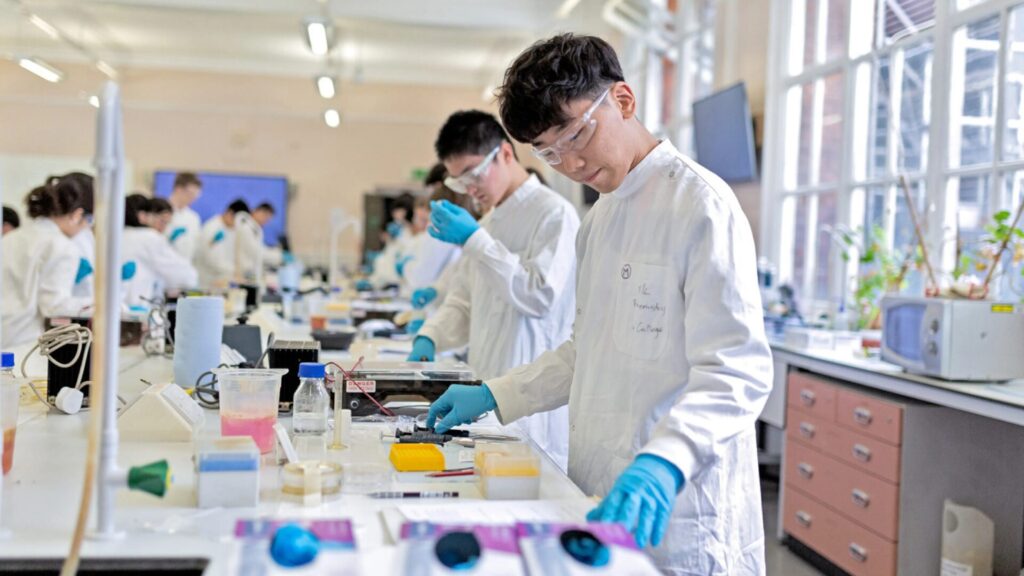
Throughout the program, you will take part in supervised laboratory experiments and activities designed to strengthen quantitative reasoning, analytical thinking, and scientific problem-solving. You will also explore techniques for chemical analysis and data interpretation through practical exercises conducted in teaching laboratories. You will leave with a certificate of completion from Imperial College London.
Why it stands out: It lets you engage with both experimental and computational chemistry while working with tools and methods commonly introduced in university STEM courses.
9. King’s College London Discover Chemistry Summer School
Location: King’s College London, Franklin-Wilkins Building, London, UK
Cost: Free
Acceptance rate/Cohort size: Not specified
Application deadline: May 15th
Dates: July 6-10
Eligibility: Students who are in Year 12, intend to study chemistry in Year 13, attend a non-fee-paying school, and have been unable to access similar opportunities elsewhere; international students are not eligible
This free, non-residential summer school run by the Department of Chemistry at King’s College London is designed to support students from underrepresented backgrounds who are interested in studying chemistry at university. It adds a highly practical option to this list of chemistry camps in the UK for high school students, with morning lectures, afternoon lab sessions, campus tours, and workshops. In the lab, you will chemically create your own sunscreen and study its properties using techniques like infrared and nuclear magnetic resonance spectroscopy.
You will also develop communication skills through sessions on creating a research-focused poster, then present your work in a poster competition attended by peers, King’s academics, chemistry students, and your own teachers and family.
Why it stands out: You get to apply chemistry concepts through practical experiments while also learning how to communicate scientific findings in a university-style setting.
10. University of Edinburgh Sutton Trust Summer School: Chemistry Track
Location: University of Edinburgh, Edinburgh, Scotland
Cost: Free
Acceptance rate/Cohort size: Not specified
Application deadline: March 5th
Dates: July 13-18
Eligibility: Students in S5 (Scotland), Year 12 (England & Wales), or Year 13 (Northern Ireland) from state-funded schools; priority is given to high-achieving students from underrepresented or disadvantaged backgrounds, including first-generation university applicants, students on free school meals/EMA, students from low-progression areas, and care-experienced or refugee/asylum-seeking students
The University of Edinburgh Sutton Trust Summer School offers a free residential program where you can explore chemistry through a range of university-style learning activities. As one of the most accessible chemistry camps in the UK for high school students, this option provides a free residential route into lectures, tutorials, and practical sessions that introduce key concepts and methods used to study and practise chemistry.
During the program, you will work on short projects under staff guidance and take part in laboratory, seminar, or collaborative learning activities connected to your chosen subject area. These sessions are designed to help you build independent study habits, strengthen analytical thinking, and become more familiar with academic discussion and research-based learning.
Why it stands out: You get to experience subject-focused academic work, practical learning, and university preparation within a residential campus setting.
11. University of Warwick’s Pre-University Summer School

Location: University of Warwick, Coventry, England
Cost: £50 non-refundable application fee + £5,250
Acceptance rate/cohort size: Not specified
Application deadline: May 31st
Dates: July 14-24
Eligibility: Students, ages 16-17; open to international students
This two-week camp-like program is designed to introduce students to university-style learning across disciplines through subject-focused lectures, seminars, and collaborative coursework. If you choose the science or life sciences track, you will explore chemistry and biochemistry through structured academic activities that encourage you to approach the subject through independent inquiry, discussion, and group-based problem solving.
Throughout the course, you work on assignments and projects designed to mirror some of the expectations of first-year university study. These activities help you strengthen skills such as research, academic writing, data interpretation, and presenting scientific ideas clearly to others. Depending on the subject track, you may also complete a final presentation or project that reflects the work you have completed during the program.
Why it stands out: You develop subject knowledge alongside academic communication and research skills in a setting designed to reflect the structure of undergraduate study.
12. King’s College London Pre-University Summer School
Location: King’s College London, London, England
Cost: £3,195 for one week – £9,375 for three weeks + £65 application fee
Acceptance rate/cohort size: Not specified
Application deadline: April 27th
Dates: July 6 -10 | July 13-17 | July 20-24 | July 27-31
Eligibility: Students, ages 16-17, who are about to start the final three years of high school; open to international students
This pre-university program offers you the option to study short, one-week courses across STEM and humanities subjects over the course of one to three weeks. You can choose a science-focused track to explore natural sciences through university-style seminars and learning activities designed to introduce key ideas and approaches used in higher education. During the program, you will stay on the King’s College campus and engage with peers and faculty members.
The academic sessions are structured around discussion-based learning, group activities, and problem-solving tasks, which may include case studies, simulations, role-play exercises, and guided debates depending on the course. Social and extracurricular activities are also part of the program, offering a camp-like experience. At the end, you will receive a King’s College Certificate of Participation.
Why it stands out: It combines subject-focused learning with interactive teaching methods and access to a central London university campus.
13. University of Edinburgh Pre-University: Life Sciences Track
Location: University of Edinburgh’s Holyrood Campus, Edinburgh, Scotland
Cost: £5,250
Acceptance rate/Cohort size: Not specified
Application deadline: May 19th
Dates: June 29th – July 10th
Eligibility: Students ages 16-18 in the penultimate or final year of high school who have completed general science, biology, or chemistry at GCSE/SQA National 5/IB MYP level or equivalent; international students must have English proficiency equivalent to IELTS 6.5 overall (minimum 5.5 per component)
This two-week program at the University of Edinburgh introduces you to core areas of the life sciences, including biochemistry. You will explore chemistry, biology, genetics, and immunology through a mix of mini-lectures, tutorial discussions, workshops, and laboratory sessions scheduled across both half-day and full-day formats.
Throughout the program, you will explore the full process of scientific investigation, from forming questions and designing experiments to collecting data and interpreting results. You will also work with laboratory equipment and digital tools commonly used in scientific research, with an emphasis on recording and communicating findings in a clear, structured format.
Why it stands out: You will move between lectures, tutorials, and lab work while learning how scientific ideas are developed, tested, and communicated in a university setting.
14. Imperial College London’s Year 12 Sutton Trust Summer School
Location: Imperial College London South Kensington Campus, London, England
Cost: Free
Acceptance rate/Cohort size: Not specified
Application deadline: March 5th
Dates: July 21-24
Eligibility: Students in Year 12 in England or Wales, Year 13 in Northern Ireland, or S5 in Scotland, who are under 18 and attend a state-funded, non-fee-paying school or college in the UK; International students are not eligible. Priority is given to students from backgrounds underrepresented in higher education. Course-wise criteria can vary
This four-day, three-night residential summer school at Imperial College London is a strong choice among chemistry camps in the UK for high school students who are interested in Chemistry or Chemical Engineering at university. In the Chemistry track, you will spend time in undergraduate laboratories doing practical work, covering areas such as inorganic, organic, physical, and analytical chemistry, while also developing communication, teamwork, and problem-solving skills.
In the Chemical Engineering track, you will be introduced to different disciplines studied in the department, from pharmaceuticals and biosensors to carbon capture and making fuels from sunlight. Both tracks include lectures, workshops, and time with academics and current students. After the summer school, support continues into Year 13 through personal statement feedback, a progression webinar, and optional mock interview practice if you receive an interview offer from Imperial.
Why it stands out: It offers advanced STEM exposure and structured support well beyond the week itself, including personal statement reviews and mock interviews, giving you a head start on your university application.
15. Durham University Sutton Trust Summer School: Chemistry Track
Location: The University of Durham, Durham
Cost: Free
Acceptance rate/Cohort size: Not specified
Application deadline: March 5th
Dates: July 27-31
Eligibility: Students in S5 (Scotland), Year 12 (England & Wales), or Year 13 (Northern Ireland) from state-funded schools; priority is given to high-achieving students from underrepresented or disadvantaged backgrounds, including first-generation university applicants, students on free school meals/EMA, students from low-progression areas, and care-experienced or refugee/asylum-seeking students
Durham University’s Sutton Trust Summer School is a free residential program for Year 12 students that introduces you to university-level study in a chosen subject area. In the chemistry pathway, you will attend classes, workshops, and college-based sessions that reflect elements of first-year undergraduate learning.
Additionally, you will take part in seminar-style teaching, guided practical or project work, and academic discussions that focus on developing subject understanding and study skills. These activities are designed to help you become more comfortable with learning independently, analyzing scientific information, and engaging with new concepts in a structured academic setting.
Why it stands out: You study chemistry in a college-based environment that combines academic teaching with structured support around university applications and student life.
Your Next Step After a Chemistry Camp
Maybe it was the first time you handled spectroscopy data, planned a titration, or saw how organic synthesis works beyond a textbook.
That is what makes the 15 chemistry camps in the UK for high school students listed here useful: they turn abstract interest into practical evidence.
Afterwards, compare what stayed with you. Was it biochemistry, pharmaceuticals, analytical chemistry, sustainable materials, environmental science, or lab-based problem-solving?
Which discovery could shape your next academic move? Explore our University Preparation blogs for UCAS guidance, personal statement ideas, interview preparation, and subject planning.