


 Русский (RU)
 Українська (UK)
 Türkçe (TR)
 Italiano (IT)
 Français (FR)
 Português (PT)
 中文 (中国) (ZH)
 Español (ES)
 日本語 (JA)
 ไทย (TH)
 Deutsch (DE)
 Ελληνικά (EL)
 Polski (PL)
 Bahasa Indonesia (ID)
 Nederlands (NL)
 العربية (AR)
 한국어 (KO)

If you’re a high school student who enjoys asking big questions, philosophy might be one of the most rewarding subjects you can explore. Questions about ethics, knowledge, justice, consciousness, free will, and human nature have shaped societies for centuries, and philosophy gives students the tools to think critically rather than simply accepting easy answers. Online philosophy courses for high school students allow you to engage with these ideas in a flexible and intellectually challenging environment.
Imagine discussing moral dilemmas in a live seminar, analysing the arguments of thinkers like Plato or Nietzsche, or debating topics like artificial intelligence, political ethics, and personal identity with students from around the world. These courses go far beyond memorising theories; they encourage students to reason carefully, communicate clearly, and examine ideas from multiple perspectives.
How do you choose the right online philosophy for high school students?
Of course, not all online philosophy courses offer the same level of depth or engagement. Some rely mainly on prerecorded lectures and independent reading, while others emphasize live discussions, collaborative debate, close reading, and faculty interaction that make the learning experience far more dynamic and thought-provoking. Choosing the right course can significantly shape how deeply you connect with the subject.
Today, universities and educational organizations around the world offer exceptional online philosophy opportunities designed specifically for high school students. Whether you’re exploring philosophy for the first time or already passionate about intellectual debate and critical inquiry, these courses can help you deepen your understanding of complex ideas while broadening the way you think about the world.
To help you find the best options, we’ve compiled a list of 15 Online Philosophy Courses for High School Students. They’ve been selected for their academic quality, engaging instruction, and emphasis on critical thinking and discussion.
For adjacent opportunities, consider the in-person philosophy program and the philosophy, politics, and economics course.
15 Online Philosophy Courses for High School Students
1. University of Edinburgh Philosophy MOOCs
Location: Online
Cost/Stipend: Free to audit; optional paid certificates may be available depending on the platform
Acceptance rate/cohort size: Open enrollment; no cohort limit publicly specified
Dates: Self-paced with multiple start dates available throughout the year
Application Deadline: Open enrollment; no fixed deadline
Eligibility: Open to anyone; international students can participate
The University of Edinburgh offers several online philosophy courses for high school students through platforms such as Coursera and edX, including Introduction to Philosophy, Philosophy and the Sciences, and Know Thyself – The Value and Limits of Self-Knowledge. Through these courses, you explore topics such as ethics, morality, human identity, scientific reasoning, and philosophical approaches to understanding knowledge and society.
Rather than focusing on memorizing theories, you engage with philosophical questions through readings, video lectures, reflection exercises, and discussion-based learning. This is especially useful if you want an accessible introduction to university-style philosophy while developing analytical reasoning and critical thinking skills. Because the courses are self-paced and open globally, they can fit around existing school commitments while still exposing you to academic content from a leading research university.
Why it stands out: It gives you free access to university-level philosophy teaching from the University of Edinburgh across topics such as ethics, science, and self-knowledge while allowing flexible self-paced learning.
2. Immerse Education’s Online Philosophy Summer School

Location: Fully remote
Cost: Varies; summer school scholarship available through our bursary programme
Application Deadline: Rolling admissions; multiple dates throughout the year
Program Dates: Flexible; multiple cohorts in a year
Eligibility: Students worldwide aged 13-18 (accredited options require age 14+)
As one of the more interactive online philosophy courses for high school students, Immerse Education’s Online Philosophy Summer School introduces you to major philosophical questions through live teaching, discussion, and guided academic exploration. You engage with topics such as ethics, political philosophy, metaphysics, knowledge, free will, identity, and moral reasoning while learning how philosophers construct and evaluate arguments. Rather than focusing primarily on memorizing thinkers or theories, the course emphasizes analytical discussion, interpretation of ideas, and building well-supported arguments.
You participate in seminar-style sessions, collaborative discussions, and written activities designed to reflect aspects of university humanities learning. This is especially useful if you want to strengthen critical thinking, argumentation, and academic writing while exploring how philosophy is taught at a university level. The program also provides opportunities to interact with mentors and students from different backgrounds, helping you experience a more discussion-centered academic environment. You can find more details about the application here.
Why it stands out: You experience authentic Oxford-style tutorials online, work closely with leading academics, and produce an assessed research paper — with the option to earn UCAS points or US college credit if you are aged 14 or above.
3. Buddhism Through Its Scriptures – Harvard University
Location: Online
Cost/Stipend: Free to audit; verified certificate available for $149
Acceptance rate/cohort size: Open enrollment; cohort size is not publicly available
Dates: Available anytime; self-paced over 4 weeks
Application Deadline: Open enrollment
Eligibility: Open to learners globally; international students can participate
Harvard University’s Buddhism Through Its Scriptures is an introductory online course offered through HarvardX on edX. You explore Buddhist beliefs, practices, and philosophical ideas through scriptures, interpretive texts, art, devotional practices, and literary works. The course helps you understand how Buddhist teachings have been interpreted differently across historical and cultural contexts.
You also develop skills in close reading, reflection, comparative religion, and ethical reasoning. This is especially useful if you want to study philosophy through questions of suffering, selfhood, morality, religious practice, and meaning. Because the course is self-paced and open globally, it can fit around school while giving you access to Harvard-level humanities instruction.
Why it stands out: It gives you free access to Harvard’s online humanities teaching while connecting Buddhist scriptures to philosophical questions about ethics, identity, interpretation, and human experience.
4. Contemporary Ethical Issues – Brown University Pre-College Programs

Location: Online
Cost/Stipend: Cost varies by course length; Brown’s online Pre-College courses are typically priced by session length
Acceptance rate/cohort size: Selective enrollment; cohort size is not publicly available
Dates: Dates vary by course section and session
Application Deadline: May 8th
Eligibility: High school students; international students can apply if they meet Brown Pre-College requirements
Brown University’s Contemporary Ethical Issues introduces you to major moral questions through the lens of philosophical argument and ethical theory. You examine questions related to the common good, environmental responsibility, obligations to future generations, animal ethics, abortion, euthanasia, veganism, and the death penalty. You engage with college-style readings, discussions, and analytical writing, helping you understand how philosophy is studied in a university setting.
This is especially useful if you want to strengthen ethical reasoning, critical thinking, and academic writing before pursuing philosophy, law, politics, medicine, or public policy. Since this is part of Brown’s Pre-College course catalog, students should confirm the current year’s exact session format and schedule before applying.
Why it stands out: It connects real-world ethical debates with formal philosophical theories, helping students practice university-level argumentation around complex moral issues.
5. Introduction to Philosophy: God, Knowledge and Consciousness – Massachusetts Institute of Technology (MITx)
Location: Online
Cost/Stipend: Free to audit; verified certificate available for a fee
Acceptance rate/cohort size: Open enrollment; cohort size is not publicly available
Dates: Self-paced with flexible enrollment options
Application Deadline: Open enrollment
Eligibility: Open to learners globally; international students can participate
MIT’s Introduction to Philosophy: God, Knowledge and Consciousness introduces you to major philosophical questions that have shaped centuries of debate. The course explores topics such as the existence of God, the nature of knowledge, free will, consciousness, and how humans understand reality. You work through readings, video lectures, exercises, and discussion-based material while developing skills in logical argumentation and critical thinking.
This is especially useful if you want an introduction to how philosophy is taught at a university level while building stronger analytical and reasoning skills. Because the course is offered through MITx, students can access academic content developed by MIT faculty while learning at their own pace.
Why it stands out: It combines classic philosophical questions with university-level analytical thinking and gives students access to MIT-developed course material in a flexible online format.
6. Introduction to Philosophy – Yale Open Courses
Location: Online
Cost/Stipend: Free
Acceptance rate/cohort size: Open enrollment; no cohort limit publicly specified
Dates: Self-paced
Application Deadline: Open enrollment
Eligibility: Open to anyone; international students can participate
Yale’s Introduction to Philosophy is a free online course taught by Professor Shelly Kagan through Yale Open Courses. Through a series of university lectures, you explore major philosophical questions related to morality, death, personal identity, free will, inequality, and the meaning of life. You engage with thought experiments and structured reasoning while developing skills in logical analysis, critical reading, and evaluating competing perspectives.
This is especially useful if you want exposure to university-level philosophy and would like to understand how philosophical discussions are approached in an academic setting. Because the lectures are self-paced and freely accessible, you can work through the material alongside school while experiencing content originally taught at Yale.
Why it stands out: It gives you free access to a complete Yale philosophy course taught by a Yale professor while introducing core philosophical questions through a university lecture format.
7. Online Philosophy Courses – University of Oxford Department for Continuing Education
Location: Online
Cost/Stipend: Fees vary by course; some courses may have bursaries or financial support options available
Acceptance rate/cohort size: Limited class sizes; acceptance rate is not publicly available
Dates: Multiple start dates throughout the year; course duration varies by subject
Application Deadline: Varies by individual course
Eligibility: Open to learners worldwide; international students can participate online
The University of Oxford’s Online Philosophy Courses allow you to explore philosophical topics through structured teaching designed by the Department for Continuing Education. Rather than focusing only on philosophical ideas themselves, the courses also emphasize how to construct arguments, evaluate evidence, and engage with complex texts and debates.
You learn through readings, tutor guidance, discussion activities, and written work that reflect aspects of university-style humanities learning. This is especially useful if you want exposure to academic philosophy while developing analytical writing, reasoning, and critical discussion skills. Because different courses are available at different levels, students can select options that match both their interests and prior experience.
Why it stands out: It provides access to Oxford-designed philosophy teaching across multiple topics while combining structured learning with tutor support and discussion-based engagement
8. Philosophy for Students: Dialogue to Save the World – Teachers College, Columbia University
Location: Online
Cost/Stipend: Program fee varies by session
Acceptance rate/cohort size: Limited enrollment; cohort size is not publicly available
Dates: Summer session dates vary annually
Application Deadline: Rolling registration until places are filled
Eligibility: Middle and high school students; open to international students through online participation
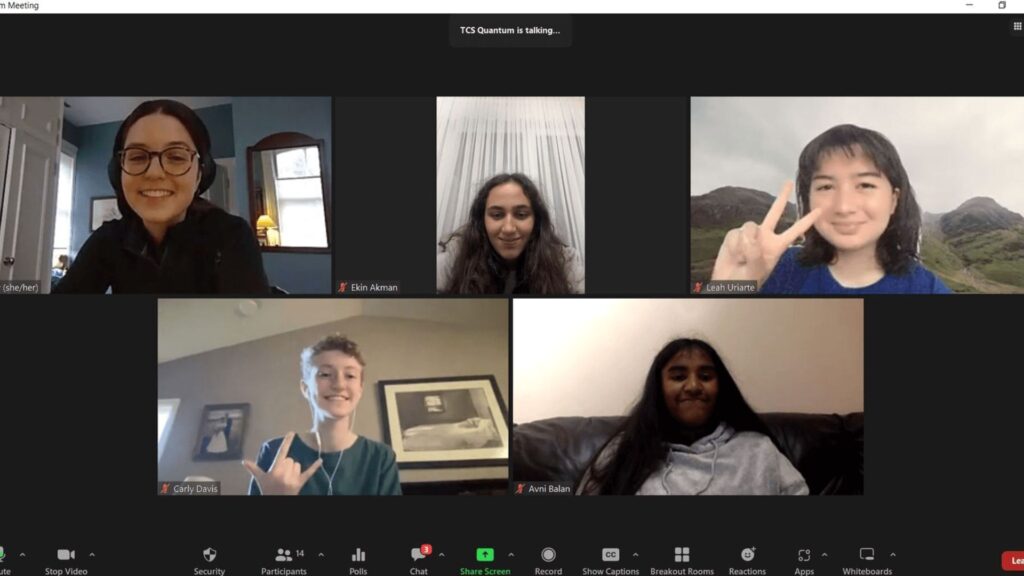
Teachers College, Columbia University’s Philosophy for Students: Dialogue to Save the World introduces you to philosophical thinking through discussion-based exploration of contemporary social and ethical issues. The course encourages students to examine questions related to justice, identity, responsibility, human relationships, and global challenges while learning how philosophical dialogue can be used to understand complex problems.
You engage with ideas through guided discussions and learn how to construct arguments, ask stronger questions, and consider multiple perspectives. This is especially useful if you want to strengthen communication, ethical reasoning, and critical thinking while experiencing a more discussion-centered approach to philosophy. Because the course focuses on dialogue and participation, students also gain experience expressing and defending ideas in a collaborative setting.
Why it stands out: It uses dialogue-centered learning and philosophical inquiry to help students connect philosophical ideas with real-world ethical and social questions.
9. Philosophy of Human Nature – Fordham University Summer Pre-College Program
Location: Online
Cost/Stipend: Tuition varies based on Fordham Summer Session pricing and credit load
Acceptance rate/cohort size: Selective enrollment; class sizes are typically discussion-based and relatively small
Dates: Multiple summer session options available; dates vary by selected session
Application Deadline: Varies by summer session
Eligibility: Rising high school seniors through Fordham’s Summer Pre-College Program; international students can apply if they meet program requirements
Fordham’s Philosophy of Human Nature introduces you to fundamental philosophical questions surrounding what it means to be human. Rather than focusing only on learning philosophical theories, the course emphasizes close reading, argument analysis, and examining how different thinkers approached questions about human existence.
You engage with works from philosophers such as Plato, Aristotle, Augustine, Aquinas, and Descartes, alongside contemporary perspectives and voices from historically underrepresented groups. This is especially useful if you want exposure to university-level philosophy while strengthening skills in analytical thinking, discussion, and academic writing. Students who complete the course successfully also earn university credit through Fordham’s Summer Pre-College Program.
Why it stands out: It combines classical and contemporary perspectives on human nature while giving students experience with credit-bearing university philosophy coursework.
10. What Is the Meaning of Life? An Introduction to Existentialism – University of Chicago Summer Session
Location: Online
Cost/Stipend: Tuition varies by course format and session; financial aid may be available for eligible students
Acceptance rate/cohort size: Selective enrollment; class sizes are typically small and discussion-based
Dates: Summer session dates vary annually
Application Deadline: Applications generally close during the spring admissions cycle
Eligibility: High school students eligible for the University of Chicago Summer Session program; international students can apply if they meet English language requirements
The University of Chicago’s What Is the Meaning of Life? An Introduction to Existentialism stands out among the many online philosophy courses for high school students for its focus on existentialist ideas, close textual analysis, and discussion-based learning. You examine questions connected to freedom, meaning, responsibility, identity, anxiety, morality, and human existence through the works of thinkers such as Sartre, Kierkegaard, Nietzsche, Camus, and Beauvoir.
You participate in university-style discussions and written analysis while strengthening skills in critical reading, argument construction, and academic writing. This is especially useful if you want exposure to college-level philosophy while learning how humanities seminars operate in a research university environment. The course also introduces students to the discussion-heavy and analytical approach commonly used in university philosophy programs.
Why it stands out: It combines close reading of major existentialist thinkers with seminar-style discussion, helping students experience how philosophy is studied at the university level.
11. Philosophy Camp – Portland State University
Location: Online and Portland, Oregon, USA (availability varies by session)
Cost/Stipend: Program fees vary by offering; financial assistance may be available
Acceptance rate/cohort size: Limited enrollment; cohort size is not publicly available
Dates: Summer session dates vary annually
Application Deadline: Varies by session; applications generally close during the spring cycle before summer programs begin
Eligibility: High school students, typically ages 15-19; international students may participate in eligible open-enrollment offerings
Portland State University’s Philosophy Camp introduces high school students to university-level philosophy through discussion-based learning and guided inquiry. The programme places a strong emphasis on critical thinking, analytical writing, and structured discussion, encouraging students to engage actively with ideas rather than simply learn theories.
You also work with faculty guidance on developing and communicating your own ideas through discussion and project-based activities. This is especially useful if you want an introduction to college-level philosophy while strengthening reasoning and argumentation skills that apply across disciplines. The discussion-centered structure also gives you experience with the seminar-style learning commonly used in university humanities courses.
Why it stands out: It combines faculty-guided philosophical discussion with project-based learning and introduces students to the discussion-heavy format used in university humanities classrooms.
12. Philosophy for Teens
Location: Online
Cost/Stipend: Fees vary by course and session type
Acceptance rate/cohort size: Small-group classes; acceptance rate is not publicly available
Dates: Multiple sessions available throughout the year
Application Deadline: Rolling registration until sessions reach capacity
Eligibility: Students in Years 7-13; open to international students through online participation
The Thinker Hub’s Young Philosophers programme introduces you to philosophical ideas through discussion-based learning designed specifically for school students. You explore questions connected to ethics, identity, knowledge, politics, free will, and moral reasoning while learning how philosophers construct and evaluate arguments. You are encouraged to challenge assumptions, defend your ideas with evidence, and engage with perspectives from both classical and contemporary thinkers.
This is especially useful if you want to strengthen analytical thinking, discussion skills, and philosophical reasoning in an interactive environment before studying the subject at a more advanced level. Because classes are taught in smaller groups, students also receive opportunities for regular participation and discussion.
Why it stands out: It uses discussion-led learning and Socratic-style questioning to help students engage actively with philosophical ideas rather than only learning concepts through lectures.
13. Philosophy Courses Collection – Class Central
Location: Online
Cost/Stipend: Many courses are free to audit; certificate fees vary by university and platform
Acceptance rate/cohort size: Open enrollment; varies by individual course
Dates: Self-paced and instructor-led options available throughout the year
Application Deadline: Open enrollment for many courses; deadlines vary by course
Eligibility: Open to learners worldwide; international students can participate
Class Central’s Philosophy Courses Collection gives you access to a large catalog of philosophy courses from universities and educational platforms around the world. Through the directory, you can find courses in areas such as ethics, political philosophy, logic, philosophy of mind, metaphysics, religion, and moral reasoning. You can also filter courses by level, duration, language, provider, and student reviews to find options that fit your schedule and interests.
This is especially useful if you want flexibility and would like to compare different university approaches to philosophy before committing to a specific course. Many options are free to audit and allow you to learn at your own pace while still engaging with university-level content.
Why it stands out: It gives you access to a wide range of philosophy courses from leading universities in one place, allowing you to explore multiple topics and teaching styles before selecting a program.
14. Young Thinkers Summer School – Debate Chamber
Location: Online
Cost/Stipend: Fees vary depending on the selected session and format
Acceptance rate/cohort size: Small-group format; cohort size is not publicly specified
Dates: Summer sessions; dates vary by cohort
Application Deadline: Rolling admissions until spaces are filled
Eligibility: High school students; open to international students through online participation
Debate Chamber’s Young Thinkers Summer School is one of the more discussion-focused online philosophy courses for high school students, introducing you to philosophy through questioning ideas and evaluating arguments. You explore topics such as ethics, political philosophy, knowledge, identity, and broader philosophical questions while learning how philosophers approach complex issues.
You participate in interactive sessions where you are encouraged to defend ideas with evidence, examine competing perspectives, and communicate your thinking clearly. This is especially useful if you want to strengthen critical thinking and discussion skills while getting an introduction to how philosophy is explored in university humanities settings. The discussion-centered structure also gives you experience with seminar-style learning commonly used in higher education environments.
Why it stands out: It emphasizes small-group discussion and argument-based learning, allowing students to actively engage with philosophical ideas rather than only studying them through lectures.
15. PLATO Resources for High School Students – Philosophy Learning and Teaching Organization (PLATO)
Location: Online
Cost/Stipend: Free
Acceptance rate/cohort size: Open access; no cohort limit
Dates: Available year-round; self-paced access
Application Deadline: Open access; no application required
Eligibility: High school students and educators; international students can access the resources online
PLATO’s High School Students resources provide access to philosophy-focused materials designed to introduce students to major philosophical ideas and ways of thinking. Rather than functioning as a single structured course, the platform acts as a collection of resources intended to support independent learning and philosophical discussion. You are encouraged to engage with questions, analyze arguments, and think critically about how philosophical ideas apply to everyday issues and larger social questions.
This is especially useful if you want a low-pressure way to begin exploring philosophy before moving into more structured university-level courses. Because the materials are freely available online, students can work through topics at their own pace and focus on areas that match their interests.
Why it stands out: It offers free, student-focused philosophy resources and activities designed specifically to make philosophical thinking more accessible to younger learners.
From Philosophical Curiosity to Academic Confidence
Philosophy rewards students who question carefully, listen closely, and build arguments with clarity rather than rushing towards simple answers.
The 15 online philosophy courses for high school students featured here explore ethics, consciousness, identity, justice, free will, and political thought through flexible learning.
From Harvard scriptures to Yale lectures, Oxford courses, Brown ethics, and live seminar discussions, these options can strengthen writing, reasoning, and academic confidence.
Want to turn sharper thinking into stronger university preparation? Explore our University Preparation blogs for guidance on personal statements, interviews, academic writing, entry requirements, and supercurriculars.