
 Русский (RU)
 Українська (UK)
 Türkçe (TR)
 Italiano (IT)
 Français (FR)
 Português (PT)
 中文 (中国) (ZH)
 Español (ES)
 日本語 (JA)
 ไทย (TH)
 Deutsch (DE)
 Ελληνικά (EL)
 Polski (PL)
 Bahasa Indonesia (ID)
 Nederlands (NL)
 العربية (AR)
 한국어 (KO)

If you’re a high school student thinking about how to make the most of your summer in 2026, summer programs can be an exciting way to explore academic interests, gain new experiences, and prepare for college life. Whether you’re interested in STEM, business, law, medicine, or the arts, these programs allow you to go beyond the classroom and experience learning in a more interactive and immersive environment.
Imagine spending your summer attending seminars at a university campus, collaborating on projects with students from around the world, or exploring subjects you may want to study in college. Picture yourself conducting research, participating in debates, solving real-world problems, or experiencing campus life firsthand. Summer programs for high school students in 2026 combine academic exploration with personal growth, helping you build both confidence and practical skills.
How do you choose the right summer programs for high school students in 2026?
With so many options available, it’s important to look for programs that offer meaningful academic engagement rather than just surface-level exposure. Some programs focus on university-style coursework, while others emphasize research, mentorship, or project-based learning. Choosing the right fit depends on your goals, interests, and preferred learning environment.
Across these programs, students often take part in lectures, group discussions, workshops, research projects, and presentations. You might analyze case studies, conduct experiments, develop creative projects, or collaborate on solutions to real-world challenges, experiences that mirror college-level learning.
You’ll learn from professors, researchers, and industry professionals while meeting peers who share your interests from around the world. Along the way, you’ll build academic confidence, strengthen your college applications, and gain a clearer understanding of what studying at the university level might truly involve.
To help you get started, we’ve curated a list of 15 Summer Programs for High School Students in 2026. They’ve been selected for their academic quality, immersive learning environments, and ability to provide meaningful educational and personal growth opportunities.
For more options, consider internship opportunities in 2026 and the online research program.
15 Summer Programs for High School Students in 2026
1. Summer Physics Camp – New Mexico Consortium
Location: Santa Fe, New Mexico, USA
Cost: Free; $350 stipend upon completion
Program Dates: June 8-19, 2026
Deadline: April 1, 2026
Eligibility: High school students living in New Mexico, New Mexico tribal communities, or East Hawaii Island; must have completed Algebra I; international students’ eligibility is not mentioned
The Summer Physics Camp is a two-week, hands-on STEM program focused on physics, engineering, and energy systems. You’ll explore topics such as electromagnetism, quantum phenomena, and microscopic biological processes through project-based learning. The program includes practical work in areas like computer programming, cybersecurity, and bioengineering, alongside guided sessions led by scientists and engineers from institutions including Sandia National Laboratories and Los Alamos National Laboratory.
You’ll also participate in career exploration activities, including college pathway sessions and professional skill-building, such as résumé writing and interviewing. The program requires full-day participation across both weeks. By the end of the program, you’ll gain foundational exposure to applied STEM fields and understand how scientific concepts connect to real-world systems.
Why it stands out: Fully funded program with a stipend that combines hands-on STEM learning, direct interaction with national laboratory scientists, and structured career exploration.
2. Immerse Education’s Pre-University Summer School
Location: Cambridge, London, Oxford, Singapore, Sydney, Tokyo, and Toronto
Cost: Varies; summer school scholarship available through our bursary programme
Application Deadline: Multiple summer cohorts; rolling admissions
Program Dates: 2 weeks during the summer
Eligibility: Students around the world aged 13-18 currently enrolled in middle or high school
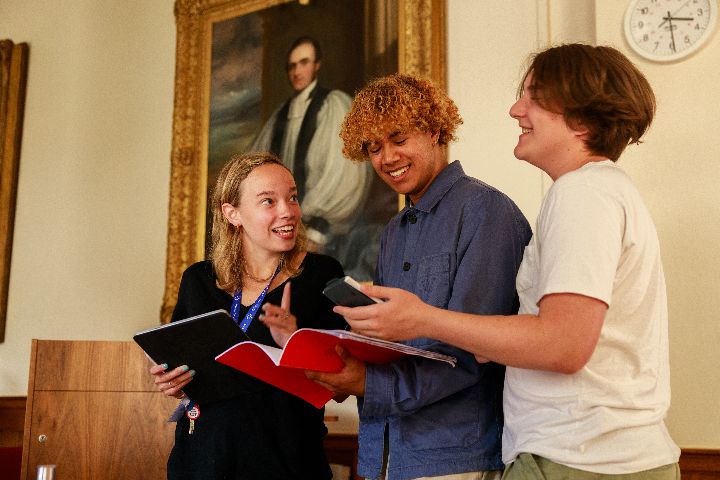
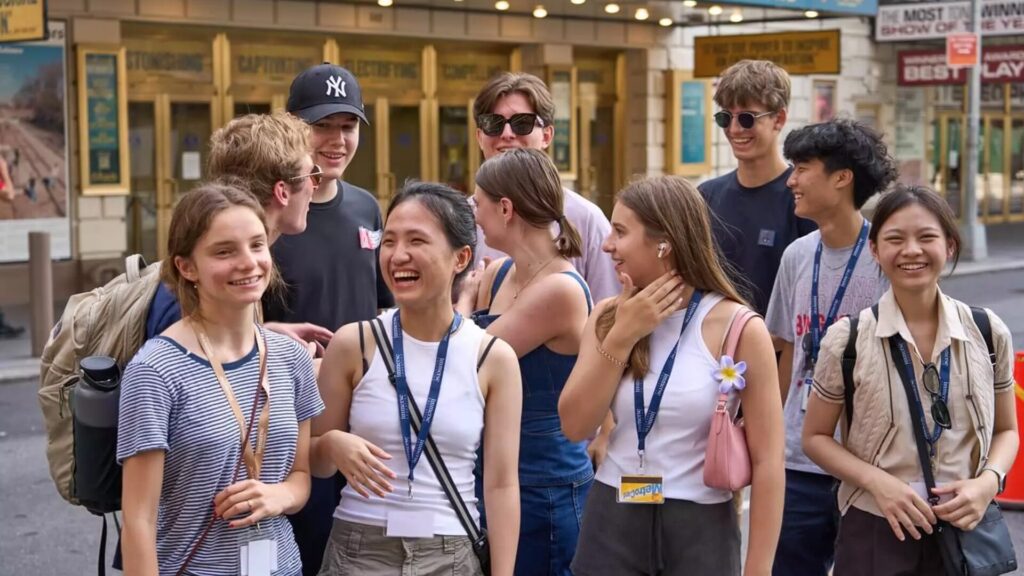
The Academic Insights Program lets high school students experience university life firsthand. You will live on campus and study in small groups of 7–10, learning from tutors from top universities like Oxford and Cambridge. Participants can explore over 20 subjects, including Architecture, AI, Business Management, Computer Science, Economics, Medicine, Philosophy, and more.
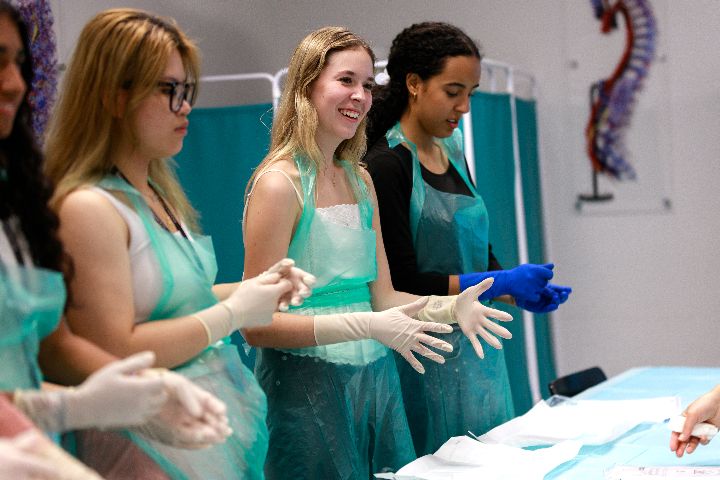
The courses are experiential and hands-on: you may find yourself conducting dissections in medicine, designing a robotic arm in engineering, participating in a moot court for law, or building creative writing portfolios and business case studies. By the end of the program, you’ll complete a personal project, receive written feedback, and receive a certificate of completion. You can find more details about the application here.
Why it stands out: You’ll study under expert academics, be guided daily by a university student mentor, complete a project you can show in future applications, and experience genuine university college life, with other campuses worldwide as alternatives.
3. MITES Summer – Massachusetts Institute of Technology
Location: Cambridge, Massachusetts, USA
Cost: Free (transportation not included)
Program Dates: Late June – Early August 2026 (6 weeks)
Deadline: Typically fall of junior year (exact 2026 date TBA)
Eligibility: High school juniors; U.S. citizens or permanent residents; open to international students
MITES Summer is a six-week, fully funded residential STEM program that mirrors the pace and expectations of college academics. You’ll take a structured set of courses in math, physics, life sciences, humanities, and a project-based elective such as engineering design or machine learning. The program includes lectures, recitations, assignments, and exams, requiring sustained academic commitment.
Beyond coursework, you’ll participate in lab tours, college admissions counseling, and workshops focused on academic and personal development. By the end of the program, you’ll strengthen your problem-solving, time management, and readiness for college-level STEM study.
Why it stands out: Highly selective, fully funded MIT program delivering a rigorous, college-style STEM experience with structured academic and admissions support.
4. Brookes Engage – Oxford Brookes University
Location: Oxford, England (with online components)
Cost: Free
Program Dates: January 2026 – March 2027 (multi-phase programme)
Deadline: Applications closed till September (except Creative Industries: Deadline 24th Nov)
Eligibility: Year 12 / first-year college students in England; international eligibility: Not available
Brookes Engage at Oxford Brookes University is a long-term outreach programme designed to support UK students in exploring subjects, preparing for university, and strengthening their UCAS applications. The programme blends on-campus masterclasses, online learning, and 1:1 mentoring with current university students, alongside a short summer school experience where participants can live on campus and engage in subject-specific sessions.
You choose from streams like business, architecture, law, biomedical science, and more, gaining both academic exposure and practical guidance on applications, personal statements, and career pathways. Travel, meals, and participation are fully funded. By the end, participants build clarity on subject choices, gain confidence about university life, and may even receive a contextual offer from the university.
Why it stands out: A fully funded, multi-month programme combining academic exposure, mentorship, and direct UCAS support, designed to guide students from exploration to university application.
5. Stanford University Mathematics Camp (SUMaC) – Stanford University
Location: Stanford, California, USA / Virtual
Cost: $8,950 (residential); $3,750 (online)
Program Dates: Summer 2026 (exact dates TBA)
Deadline: Applications closed (typically early spring)
Eligibility: High school students in grades 10-11; must be under 18; limited residential access to international students
SUMaC is a highly selective mathematics program designed for students interested in advanced, proof-based problem solving. You’ll be placed into one of two tracks and study topics such as number theory, abstract algebra, or topology through lectures, guided problem sets, and collaborative discussions. The program emphasizes depth over breadth, focusing on mathematical reasoning, abstraction, and the development of formal proofs rather than standard curriculum acceleration.
Admission is competitive and includes a rigorous application and a take-home math exam assessing analytical thinking. Throughout the program, you’ll engage with challenging problems that require persistence and creativity, often working independently and in groups. By the end, you’ll strengthen your ability to construct proofs, approach unfamiliar problems, and think like a mathematician.
Why it stands out: Small cohort, proof-focused curriculum that builds deep mathematical thinking beyond standard high school coursework.
6. Princeton Summer Journalism Program
Location: Hybrid (Virtual + Princeton University)
Cost: Free (includes housing, meals, and travel for residential portion)
Program Dates: Late June – Early August 2026 (includes 10-day on-campus residency)
Deadline: Typically early spring (exact 2026 date not specified)
Eligibility: High school juniors (U.S.-based) from limited-income backgrounds; strong academics and interest in journalism required; not open to international students
The Princeton Summer Journalism Program is a highly selective, year-long program beginning with a multi-week summer intensive in journalism and college preparation. You’ll explore current events, politics, and culture through workshops led by Princeton faculty, journalists, and alumni. The program combines virtual learning with a final residential experience, where you collaborate with peers to produce and publish a newspaper.
Alongside journalism training, you’ll be matched with a personal college adviser who supports you through applications, essays, and final decisions during senior year. The curriculum emphasizes critical thinking, reporting, and storytelling while connecting journalism to broader social and political issues.
Why it stands out: A fully funded, year-long journalism + college access program combining intensive reporting experience with personalized college admissions support.
7. Columbia University NYC
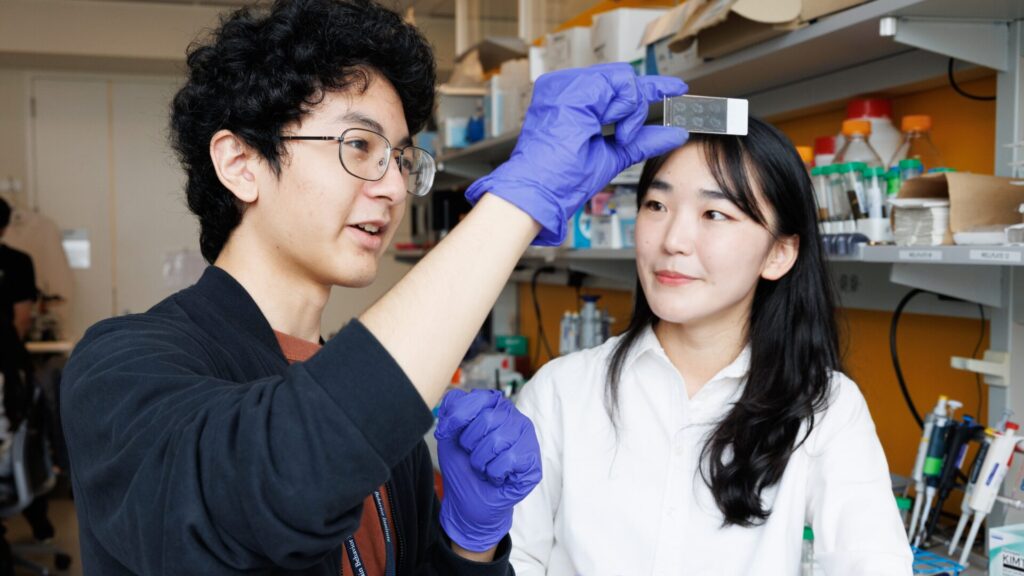
Location: Columbia University
Cost: $2,882 (1-week) / $6,380 (3-week)
Program Dates: Multiple sessions – June 22nd – August 7, 2026
Deadline: Not specified (rolling/varies)
Eligibility: High school students (grades 9-12) and first-year college students; open to international students; must arrange own housing
The NYC Commuter Summer program at Columbia University offers academically intensive summer courses for students who prefer to live off-campus while accessing university resources. You’ll choose from 70+ courses across disciplines, attending classes twice daily with structured breaks for campus activities.
Courses emphasize critical thinking, discussion, and independent analysis, taught by experienced instructors. Beyond academics, you can participate in co-curricular activities, events, and community programming, building both academic and social skills. Upon completion, you’ll receive a Certificate of Participation and a written evaluation, which can support college applications. The flexible session structure allows you to enroll in one or multiple terms depending on your schedule.
Why it stands out: Flexible commuter format with access to Ivy League academics and campus life, without requiring residential stay.
8. MIT Beaver Works Summer Institute
Location: Massachusetts Institute of Technology (and online components)
Cost: Free (family income <$200,000) / $2,400 (>$200,000); housing not included
Program Dates: 4 weeks in July 2026 (exact dates vary by course)
Deadline: Registration typically opens until March 31, 2026; the application follows prerequisite completion
Eligibility: High school students (typically rising seniors) in the U.S.; open to international students
The MIT Beaver Works Summer Institute (BWSI) is a rigorous, project-based STEM program focused on advanced, real-world applications. You’ll complete hands-on courses in areas like artificial intelligence, autonomous systems, and aerospace technologies, working in collaborative teams to solve complex challenges.
Admission requires completion of online prerequisite coursework, which builds foundational skills and demonstrates readiness. The program emphasizes technical depth, problem-solving, and independent learning, with guidance from MIT-affiliated instructors and mentors. Students also engage in structured projects that simulate real research and engineering environments.
Why it stands out: Highly selective STEM program combining intensive prerequisite training with advanced, team-based projects in cutting-edge fields.
9. NIH Summer Internship Program
Location: National Institutes of Health (and other NIH campuses)
Cost/Stipend: Paid internship (stipend varies by education level)
Program Dates: May 11th – August 31, 2026
Deadline: Applications typically close in early spring (2026 cycle closed)
Eligibility: U.S. citizens/permanent residents; high school seniors (18+), undergraduate, and graduate students; not open to international students
The NIH Summer Internship Program (SIP) offers a full-time, immersive research experience in biomedical, behavioral, and health sciences. You’ll work in a research group under a Principal Investigator, contributing to ongoing scientific projects in areas like biology, public health, data science, and medicine.
Alongside lab work, the program includes professional development sessions, career exploration events, and research presentations such as Summer Poster Day. The experience is designed to mirror real research environments, requiring full-time commitment and independent initiative. Selection is decentralized, with applicants matched directly to research mentors based on interests and fit.
Why it stands out: Direct, mentor-led research experience at a leading U.S. medical research institution with strong exposure to real-world scientific work.
10. AI Scholars
Location: Carnegie Mellon University
Cost: Fully funded (tuition, housing, meals covered; limited travel support available)
Program Dates: June 20th – July 18, 2026
Deadline: February 1, 2026
Eligibility: High school juniors (rising seniors), age 16+; U.S. citizens/permanent residents; demonstration of financial need required; not open to international students
AI Scholars is a four-week, residential program focused on artificial intelligence and real-world computing applications. You’ll engage in college-level coursework, collaborative projects, and faculty-led sessions covering core AI concepts and their practical impact.
The program emphasizes hands-on learning, where you’ll work in teams to solve real-world problems and present your work at a final symposium. Alongside academics, you’ll attend college prep workshops and connect with mentors, researchers, and industry professionals. The experience is immersive, with structured weekday schedules and additional evening and weekend activities that simulate college life.
Why it stands out: Fully funded AI-focused program combining technical training, mentorship, and college preparation in an immersive residential setting.
11. Simons Summer Research Program
Location: Stony Brook University
Cost/Stipend: Paid research program (stipend provided)
Program Dates: June 29th – August 7, 2026
Deadline: Applications closed (January-February 2026 cycle)
Eligibility: High school juniors (grade 11), age 16+; U.S. citizens/permanent residents; not open to international students
The Simons Summer Research Program is a selective, research-focused experience where you’ll work directly with faculty mentors on ongoing projects in science, mathematics, or engineering. You’ll join active research teams, learn laboratory techniques, and contribute to real investigations in a university setting. The program emphasizes independent thinking, analytical skills, and exposure to advanced research methods.
Alongside lab work, you’ll participate in seminars, workshops, and discussions that deepen your understanding of scientific inquiry. The experience culminates in a research abstract and presentation, mirroring the expectations of professional academic environments.
Why it stands out: Direct mentorship and full-time research experience within a leading university lab, offering early exposure to authentic scientific work.
12. Stanford Institutes of Medicine Summer Research Program (SIMR)
Location: Stanford University, Stanford, California, USA
Cost: Free (limited need-based stipends available)
Program Dates: June 8th – July 30, 2026
Deadline: February 21, 2026 (closed)
Eligibility: High school juniors and seniors (Class of 2026 or 2027), age 16+; U.S. citizens/permanent residents; open to international students
The Stanford Institutes of Medicine Summer Research Program (SIMR) is an 8-week, lab-based research program for high school students interested in biology, medicine, and scientific research. You’ll work full-time in a Stanford lab under the guidance of faculty, researchers, and mentors, contributing to real-world biomedical projects across fields such as neurobiology, cancer biology, genetics, and bioengineering.
The program emphasizes hands-on research, scientific inquiry, and exposure to the research process, including experimental design and data analysis. Students can also opt for a bioengineering track focused on designing solutions to real medical challenges. By the end of the program, you’ll gain practical lab experience and a deeper understanding of careers in medicine and research.
Why it stands out: Direct, full-time mentorship in Stanford research labs with access to advanced facilities and real biomedical research projects.
13. Telluride Association Summer Seminar (TASS)
Location: Cornell University (Ithaca, NY) & University of Maryland (College Park, MD), USA
Cost: Free (all expenses covered, including travel support if needed)
Program Dates: June 21st – July 25, 2026
Deadline: December 3, 2025 (closed)
Eligibility: High school sophomores and juniors (ages 15-17); open to U.S. and international students
The Telluride Association Summer Seminar (TASS) is a 5-week, fully funded humanities program focused on critical thinking, reading, and discussion-based learning. You’ll take part in daily college-level seminars exploring themes like power, privilege, history, politics, and literature through either the Critical Black Studies (TASS-CBS) or Anti-Oppressive Studies (TASS-AOS) track.
The program emphasizes discussion over lectures, with frequent writing assignments, group dialogue, and faculty feedback. Outside the classroom, you’ll live in a self-governed residential community, making collective decisions, organizing activities, and engaging in public speaking and community projects. By the end, you’ll strengthen your analytical writing, communication, and collaborative thinking skills in an academically rigorous, discussion-driven environment.
Why it stands out: A fully funded, discussion-based humanities program that combines rigorous academics with a unique self-governed, community-driven residential experience.
14. Research Science Institute (RSI)
Location: Massachusetts Institute of Technology (MIT), Cambridge, Massachusetts, USA
Cost: Free
Program Dates: Summer 2026 (6 weeks; exact dates not specified)
Deadline: Closed (applications typically due in winter)
Eligibility: High school juniors (grade 11); U.S. and international students
The Research Science Institute (RSI) is a highly selective, 6-week research program combining advanced STEM coursework with independent research. You’ll begin with an intensive week of lectures in scientific theory, followed by a 5-week research internship where you design and execute an individual project under expert mentorship. The program emphasizes the full research cycle, reviewing academic literature, developing a methodology, conducting experiments, and analyzing results.
In the final stage, you’ll present your findings through written papers and conference-style presentations. RSI is academically rigorous and attracts students with strong backgrounds in math and science, often including prior research or competition experience. By the end, you’ll gain firsthand exposure to high-level scientific research and communication.
Why it stands out: One of the most selective STEM research programs globally, offering a complete, end-to-end research experience at MIT.
15. Harvard Secondary School Program (7-Week SSP Online)
Location: Online
Cost: $4,180 (4 credits) – $8,160 (8 credits)
Program Dates: Summer 2026 (7 weeks; exact dates vary)
Deadline: Closed (applications typically due in spring)
Eligibility: High school students; open to international students
The Harvard Secondary School Program (7-Week SSP Online) offers a rigorous academic experience through for-credit college courses delivered virtually. You’ll choose from a wide range of subjects across disciplines, enrolling in one or two courses (4–8 credits) that mirror Harvard Summer School classes. The program emphasizes independent learning, critical thinking, and academic writing, with access to resources such as tutoring and the Harvard Writing Center.
Alongside coursework, you can participate in virtual extracurriculars, including college-prep workshops and social events with peers worldwide. By the end of the program, you’ll earn official college credit and gain exposure to the expectations of university-level academics in a flexible, online format.
Why it stands out: Earn real Harvard College credit online while accessing academic support and a globally connected student community.
Taking Your Summer Learning Beyond the Programme
The strongest summer experiences often leave you with more than a certificate; they give you evidence of how you think, create, and respond to challenges.
Through any of these 15 summer programs for high school students in 2026, you can sample university-style study while discovering which subjects, formats, and environments suit you best.
That insight matters when comparing courses, preparing applications, or explaining why a future academic path feels right for your goals.
Before you choose your next step, read our University Preparation blogs to make sense of your options and plan with greater clarity.