
 Русский (RU)
 Українська (UK)
 Türkçe (TR)
 Italiano (IT)
 Français (FR)
 Português (PT)
 中文 (中国) (ZH)
 Español (ES)
 日本語 (JA)
 ไทย (TH)
 Deutsch (DE)
 Ελληνικά (EL)
 Polski (PL)
 Bahasa Indonesia (ID)
 Nederlands (NL)
 العربية (AR)
 한국어 (KO)

Summers in high school can be a break from classes, but they can also be a time to explore interests you do not always get to pursue during the school year. If you are considering medicine, summer schools in Europe for high school students can give you early exposure to the field while helping you decide if it is something you want to study further.
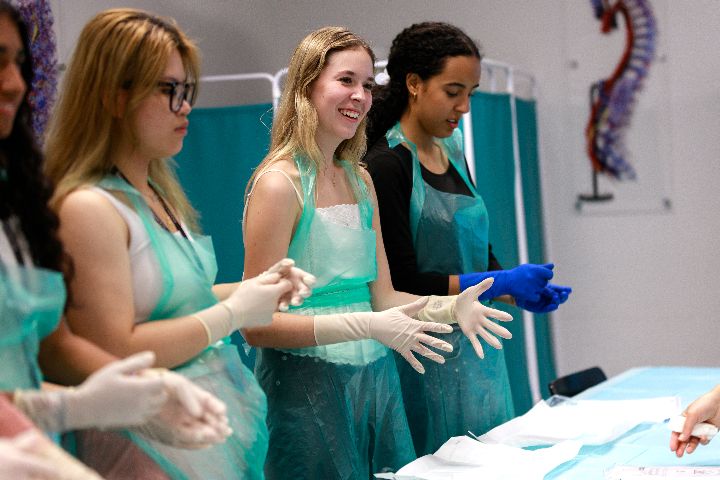
These programmes offer a mix of academic learning and practical exposure. You might attend lectures on anatomy or disease, take part in simulations or workshops, or observe healthcare settings, depending on the programme. Many are hosted in major cities, so your experience often includes time outside the classroom as well.
Whether you are based in Europe or looking to travel, these programmes give you a chance to experience different healthcare systems and learning environments. You will also meet other students interested in medicine, which can make discussions and group work more engaging.
What are medicine summer schools in Europe for high school students?
These programs are typically short-term courses offered by universities, private organizations, or healthcare institutions. They cover topics like human biology, clinical skills, public health, and medical research. Some focus more on academic learning, while others include simulations, lab work, or shadowing experiences.
You will usually learn through a combination of lectures, small-group sessions, and practical activities. In some programs, you may also complete a short project or presentation based on what you have learned. The level of depth and structure can vary, so it is worth comparing options carefully.
To help you sort through the options, we have put together a list of 15 medicine summer schools in Europe for high school students.
For adjacent opportunities, you can consider the online medicine program, the biology program, and the online biology program.
15 Medicine Summer Schools in Europe for High School Students
1. University of Nottingham Pathways to Medicine
Location: University of Nottingham, Nottingham, UK
Cost/Stipend: Free
Acceptance Rate/Cohort Size: Not specified
Program Dates: Five days in July
Application Deadline: November (tentatively)
Eligibility: Students in Year 12; More information here
This five-day program introduces you to different aspects of studying and applying to medicine at university. You’ll attend subject-focused masterclasses, listen to talks from clinicians, and explore how medicine is taught and practiced. The sessions also include guidance on preparing your university application and understanding expectations for medical applicants.
You’ll attend medical masterclasses while also getting structured guidance on the application process from people in the field. The program also touches on recent developments in medicine and gives you a sense of academic life in this subject area.
Why it stands out: You’ll learn directly from clinicians, attend medical masterclasses, and gain insight into the medical school application process.
2. Immerse Education’s Medicine Summer School
Location: Oxford, Cambridge, and London
Cost/Stipend: Varies; summer school scholarship available through our bursary programme
Acceptance Rate/Cohort Size: Selective; an average of 7 participants per class
Program Dates: 2 weeks during the summer
Application Deadline: Multiple summer cohorts; rolling admissions
Eligibility: Students from around the world aged 13-18 currently enrolled in middle or high school
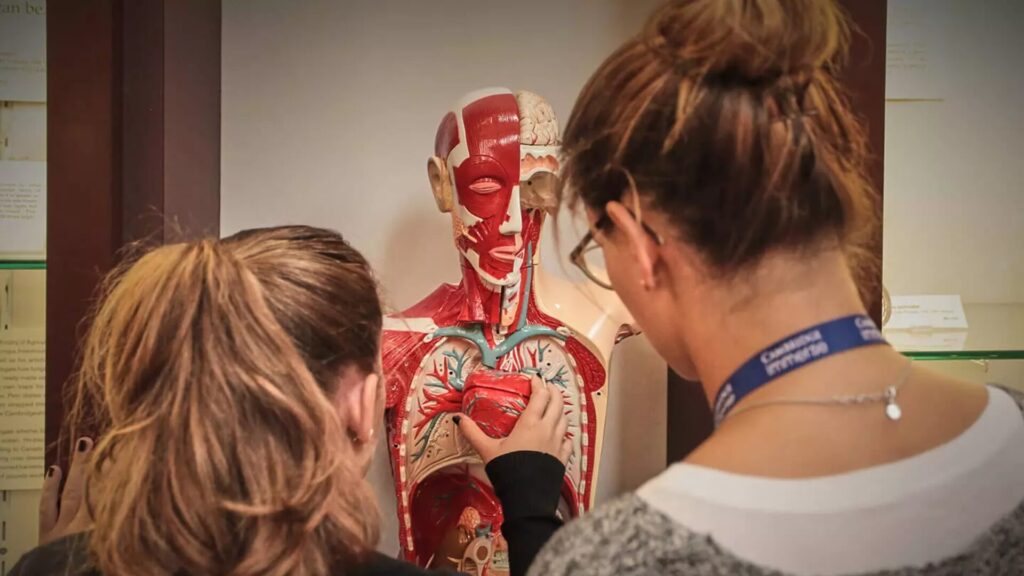
As one of the more immersive medicine summer schools in Europe for high school students, Immerse Education’s Medicine Summer School lets you live on campus and study medicine through small-group tutorials. Classes cover core scientific concepts and real-world clinical ideas, while interactive sessions help you work through case studies, explore different medical specialties, and take part in discussions that reflect how medicine is taught at university.
You may also engage in hands-on activities like medical simulations or problem-solving exercises tied to patient scenarios. You’ll be learning from tutors with backgrounds at universities like Oxford and Cambridge while also getting day-to-day guidance from a student mentor. By the end of the program, you’ll complete an independent project based on your interests and receive written feedback on your work.
Why it stands out: You’ll study in small groups with academic tutors, receive consistent mentorship, complete a project you can use later, and experience university-style learning across multiple global campuses.
3. King’s College London Pre-University Summer School Medical Science
Location: King’s College London, London, England
Cost/Stipend: £3,965
Acceptance Rate/Cohort Size: Not specified
Program Dates: July 6th – July 10th
Application Deadline: April 10th
Eligibility: 16 or 17-year-old students; Open to students worldwide
Over one week, you’ll explore how different systems in the human body function and relate to disease. The program includes seminars, workshops, and group activities focused on areas like the endocrine, cardiovascular, and musculoskeletal systems.
You’ll also complete independent research on a topic and work with a group to prepare a presentation. You’ll research a medical science topic and present your findings as part of a structured group project. The schedule is relatively short but covers a range of foundational concepts in medical science.
Why it stands out: You’ll study human body systems through academic sessions while completing research and presenting like a university student.
4. Premed Projects – London Hospital Work Experience
Location: London, UK
Cost/Stipend: £3,535
Acceptance Rate/Cohort Size: Maximum 40 students
Program Dates: 2-week sessions from July to August
Application Deadline: Rolling
Eligibility: Students ages 14-18 with a strong interest in medicine; Open to students worldwide
This two-week program focuses on hospital-based exposure across different clinical environments in London. You’ll visit multiple hospitals and observe how healthcare professionals work in real settings. Alongside these placements, you’ll have access to learning materials through the Premed Portal and structured notes to support what you observe each day.
You’ll spend time in clinical environments observing real hospital settings across multiple placements. Outside of placements, the schedule includes time to explore the city through organized activities.
Why it stands out: You’ll gain hospital exposure across multiple London sites while accessing structured learning materials to support your experience.
5. Imperial Year 12 Work Experience Program
Location: Imperial College London, London, UK
Cost/Stipend: Free
Acceptance Rate/Cohort Size: Not specified
Program Dates: June 29th – July 3rd
Application Deadline: March 5th
Eligibility: Students in Year 12 attending a state school in the UK
This program gives you a short introduction to research environments within a university setting. You’ll spend time in departments such as biomedical research, bioengineering, and related scientific fields, observing how research teams work and how projects are carried out.
The experience is structured to help you understand day-to-day research processes rather than just theory. You’ll observe ongoing research projects and see how different scientific disciplines connect to medical studies. You’ll also get a sense of what working in an academic or lab-based role looks like.
Why it stands out: You’ll gain exposure to research environments at Imperial and observe how medical and scientific research is conducted.
6. Rosetta Institute Molecular Medicine Workshops
Location: University College London, UK
Cost/Stipend: Single Room: $4180; Double Room: $3880; Non-residential: $2280
Acceptance Rate/Cohort Size: Not specified
Program Dates: August 3rd – August 15th
Application Deadline: Rolling
Eligibility: Students ages 11-18; Open to students worldwide
In this two-week program, you’ll study molecular and cellular biology through lectures and hands-on sessions led by PhD-level instructors. The curriculum covers how biological systems function under normal conditions and how they change in disease. Topics may include areas like immunology, developmental biology, and cancer bioinformatics.
You’ll apply what you learn by developing and presenting a research project focused on a specific gene or molecular process. The structure combines instruction with independent work, giving you time to engage with a specific topic in more depth.
Why it stands out: You’ll study molecular medicine through instructor-led sessions and complete an original research project based on your learning.
7. University of Edinburgh Insights into Life Sciences

Location: University of Edinburgh, Edinburgh, UK
Cost/Stipend: £5,250
Acceptance Rate/Cohort Size: Not specified
Program Dates: June 29th – July 10th
Application Deadline: May 19th
Eligibility: High school students ages 16-18; Open to domestic and international students
This two-week program introduces you to different areas within life sciences, including biochemistry, molecular biology, and biodiversity. You’ll attend lectures, take part in lab sessions, and work through tutorials that focus on scientific methods and analysis. The program also includes activities that build skills like interpreting data and designing experiments.
You’ll participate in laboratory sessions where you apply scientific techniques and analyze results. The schedule is structured to give you a mix of theory and practical exposure to how life sciences are studied at university.
Why it stands out: You’ll gain hands-on lab experience while learning how scientific investigations are designed and conducted.
8. University of St Andrews Summer Academic Experience Course (Medicine)
Location: University of St Andrews, St Andrews, Scotland
Cost/Stipend: Not specified
Acceptance Rate/Cohort Size: Not specified
Program Dates: Not specified
Application Deadline: Not specified
Eligibility: Not specified
You’ll attend lectures and seminars led by faculty from the School of Medicine, along with practical lab sessions where you explore the scientific foundations of medicine. The course combines academic learning with hands-on elements, so you might work through clinical case discussions, study anatomy and physiology, and practice experimental design and data interpretation. You’ll also spend time building academic skills like writing and structuring arguments, which are integrated into the coursework.
You’ll practice medical communication with qualified GPs and simulated patients, which gives you a more realistic sense of clinical interactions. Outside of class, you’ll complete a poster project and take part in a visit to the Royal College of Surgeons in Edinburgh. The program also includes exposure to the UK medical school application process, including UCAT and MMI preparation.
Why it stands out: The course combines academic teaching with direct exposure to the UK medical admissions process, including interview practice and UCAT preparation, while also incorporating clinical communication practice with simulated patients.
9. Sportech Academy Medicine Summer Program (Università Vita-Salute San Raffaele)
Location: Università Vita-Salute San Raffaele, Milan, Italy
Cost/Stipend: €4,850 (residential); €2,850 (day camp)
Acceptance Rate/Cohort Size: Not specified
Program Dates: July 5th – July 18th
Application Deadline: Not specified
Eligibility: Students ages 15-18; open to international students
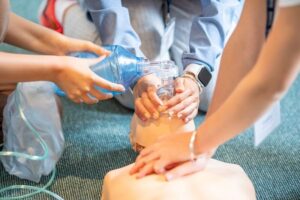
This program combines classroom learning with practical exposure through simulations, workshops, and hospital visits. You’ll take part in sessions led by doctors and specialists, covering topics like diagnostics, patient interaction, and emergency response. The structure includes both academic lessons and hands-on activities, along with preparation for medical entrance exams such as the IMAT.
You’ll engage in hospital simulations and specialist-led workshops that introduce core clinical skills and medical technologies. Depending on the option you choose, you may stay on campus with a full schedule or attend as a day student. The program also includes excursions and cultural activities in and around Milan.
Why it stands out: You’ll train in a setting connected to a research hospital while combining simulations, workshops, and exam preparation.
10. Karolinska Institutet Summer Research School in Computational Biology and Bioinformatics
Location: Karolinska Institutet, Stockholm, Sweden
Cost/Stipend: Food allowance of 5,000 SEK; housing provided for non-local students
Acceptance Rate/Cohort Size: Up to 5 students
Program Dates: Not specified
Application Deadline: March
Eligibility: High school students worldwide with strong programming skills, good English, and an interest in biomedical science
You’ll join a research team at Karolinska Institutet and work on applying programming and data analysis to real biomedical research problems. The experience is centered around a research project, where you’ll use computational tools to study areas like genetics, neuroscience, or microbiology, depending on the team you’re placed with.
You’ll be working directly in a research environment alongside scientists, which means you’re expected to contribute to ongoing projects rather than just follow a set curriculum. Because of the small cohort size, the experience is highly individualized and focused. You’ll gain exposure to how programming and biology intersect in real research settings, which is especially useful if you’re interested in fields like bioinformatics or computational medicine.
Why it stands out: The program is extremely selective, with only a few students accepted, and it places you directly into active research teams, making it more similar to a real lab experience than a typical summer course.
11. FutureDocs Abroad Summer Honors Program
Location: Athens, Greece; Hue, Vietnam
Cost/Stipend: Not specified
Acceptance Rate/Cohort Size: Not specified
Program Dates: June 26th – July 10th; July 10th – July 25th
Application Deadline: Not specified
Eligibility: High school and undergraduate students interested in medicine; international students are welcome to apply
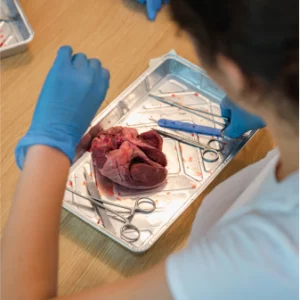
You’ll spend your time in clinical environments observing real medical practice, including time in operating rooms, hospital wards, and clinics across multiple specialties. The program is built around three main components: surgical observation, gross anatomy work, and physician shadowing, so your days will involve watching procedures, learning anatomy in lab settings, and seeing how doctors interact with patients.
You’ll observe surgeries with explanations from physicians and spend time in anatomy labs learning dissection techniques with guidance from instructors. The program also exposes you to how healthcare systems operate in different countries, which adds a global perspective to what you’re learning. You’ll rotate through different specialties, giving you a broader view of what working in medicine actually looks like day to day.
Why it stands out: The program gives you direct exposure to hospital environments, including operating rooms and anatomy labs, which is uncommon for high school students, especially through an international clinical setting.
12. University of Southampton The LifeLab Summer School
Location: University of Southampton, Southampton, UK
Cost/Stipend: £180; free bursary spaces available
Acceptance Rate/Cohort Size: Not specified
Program Dates: July 23rd – July 24th
Application Deadline: To be announced
Eligibility: UK students in Years 9, 10, and 11
This two-day program introduces you to basic clinical skills and the day-to-day work of healthcare professionals. You’ll practice techniques like suturing on models, visit clinical spaces, and observe how medical staff work in different settings. Sessions also include anatomy and pathology teaching at the Centre for Learning Anatomical Sciences.
You’ll have the chance to speak with current medical students and learn more about their training and application process. You’ll practice core clinical skills while observing real healthcare environments and interacting with medical students. The program also includes talks from guest speakers who share insights into medical careers.
Why it stands out: You’ll practice clinical techniques like suturing, observe healthcare settings, and learn directly from medical students and professionals.
13. NHS Lothian – Step Into Healthcare
Location: Edinburgh and the Lothians, UK
Cost/Stipend: Varies by program
Acceptance Rate/Cohort Size: Not specified
Program Dates: Varies by session
Application Deadline: Rolling
Eligibility: Senior school students studying or living in Edinburgh and the Lothians
This program offers a series of short experiences focused on different healthcare careers. You can choose from pathways like medicine, dentistry, nursing, midwifery, and allied health professions, depending on your interests. Each track includes workshops, practical activities, and opportunities to speak with NHS staff about their roles.
You’ll explore multiple healthcare career paths through structured sessions and direct interaction with professionals working in those fields. The format is flexible, allowing you to focus on specific areas rather than following a single fixed curriculum. It’s designed to help you understand the range of roles within healthcare systems.
Why it stands out: You’ll explore different healthcare roles through targeted programs while learning directly from NHS professionals.
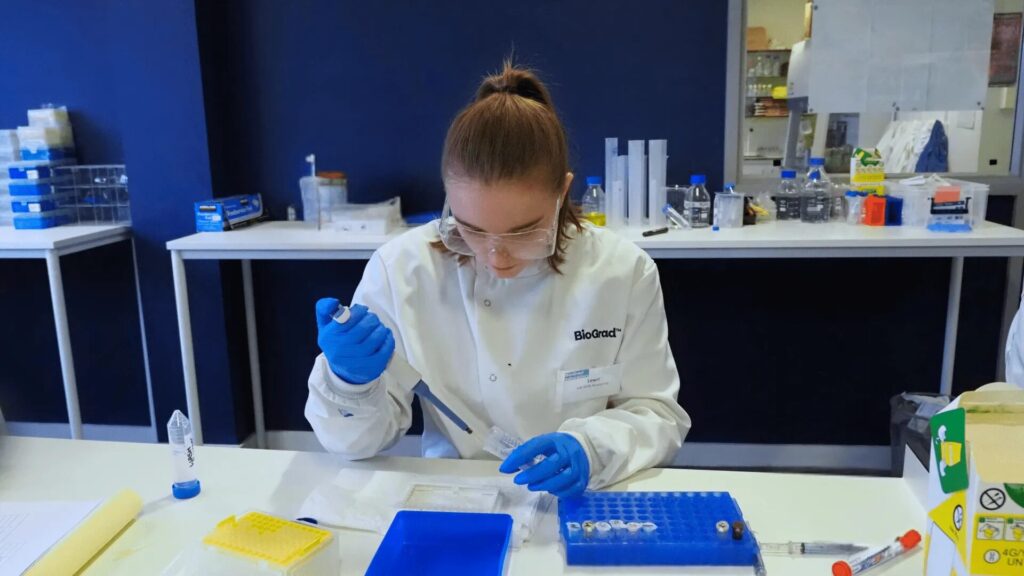
14. BioGrad Clinical Skills and Medical Research
Location: BioGrad, Liverpool, UK
Cost/Stipend: £999
Acceptance Rate/Cohort Size: Not specified
Program Dates: Multiple cohorts
Application Deadline: Rolling
Eligibility: Students ages 16-19; open to UK and international students
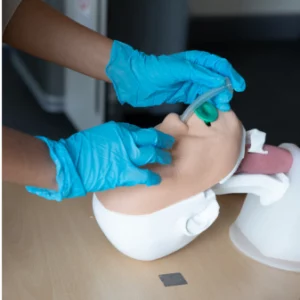
This five-day program focuses on developing both clinical and laboratory skills in a structured setting. You’ll learn directly from doctors and scientists while working with equipment used in professional labs. The curriculum includes activities like patient monitoring, bacterial culture techniques, cardiopulmonary assessments, and diagnostic testing methods.
You’ll gain exposure to both clinical procedures and laboratory techniques using industry-standard equipment. The sessions are hands-on and designed to give you practical familiarity with different aspects of medical science. It’s a relatively intensive short program with a focus on applied learning.
Why it stands out: You’ll build practical clinical and lab skills by working with medical professionals in a structured training environment.
15. The Sutton Trust Edinburgh Medical School
Location: University of Edinburgh, Edinburgh, UK
Cost/Stipend: Not specified
Acceptance Rate/Cohort Size: Not specified
Program Dates: July 13th – July 18th
Application Deadline: Not specified
Eligibility: Students aged 15; Year 12 students from state-funded schools in England or Wales
This program introduces you to studying medicine at a university level through academic sessions and guided activities. You’ll take part in subject-focused learning, explore key medical topics, and receive support related to the UCAS application process. The schedule includes both daytime academic work and evening social activities around the city.
You’ll combine academic sessions with guidance on the UCAS process and medical school interviews. You’ll also interact with staff and peers, which helps you understand what studying medicine at university might involve. The program is targeted toward students from specific educational backgrounds.
Why it stands out: You’ll gain insight into medical school academics while receiving structured UCAS and application guidance.
From European Summer Schools To Medical Reading
A summer school can make medicine feel more concrete, whether you are exploring anatomy, clinical skills, diagnostics, research, or patient communication.
The 15 medicine summer schools in Europe for high school students featured here give you early exposure to university-style learning, simulations, labs, and healthcare environments.
These experiences can help you understand which areas of medicine interest you most, from molecular research and public health to surgery or clinical practice.
Want to keep thinking like a future medical student after summer ends? Explore our Medicine Top Books Guide for reads that deepen your curiosity.