



 Русский (RU)
 Українська (UK)
 Türkçe (TR)
 Italiano (IT)
 Français (FR)
 Português (PT)
 中文 (中国) (ZH)
 Español (ES)
 日本語 (JA)
 ไทย (TH)
 Deutsch (DE)
 Ελληνικά (EL)
 Polski (PL)
 Bahasa Indonesia (ID)
 Nederlands (NL)
 العربية (AR)
 한국어 (KO)

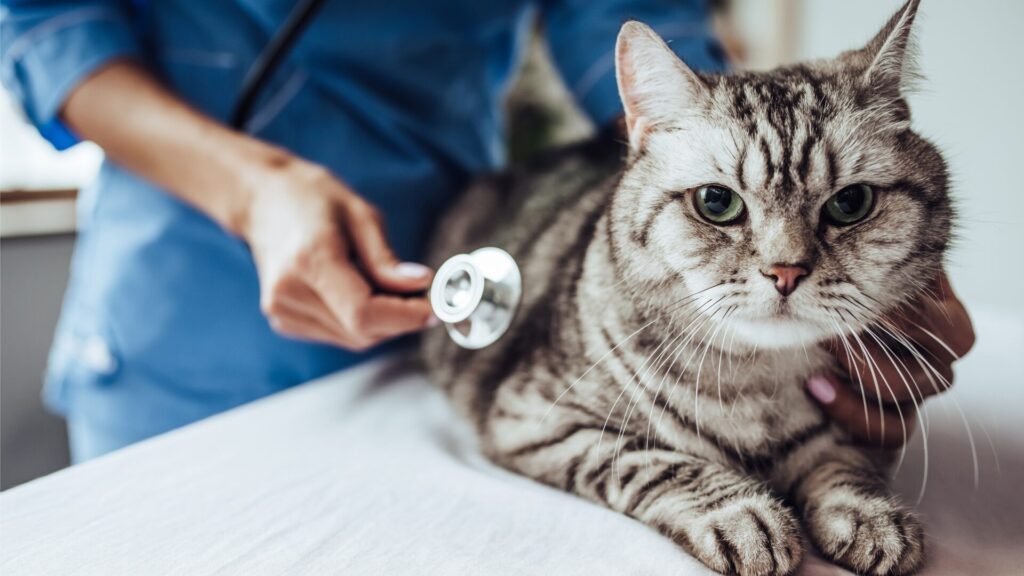
If you’re a high school student who loves animals, veterinary medicine might seem like an obvious career path. Vet camps for high school students in 2026 can help you understand how biology, medicine, research, diagnostics, public health, surgery, communication, and problem-solving come together in fast-moving clinical environments.
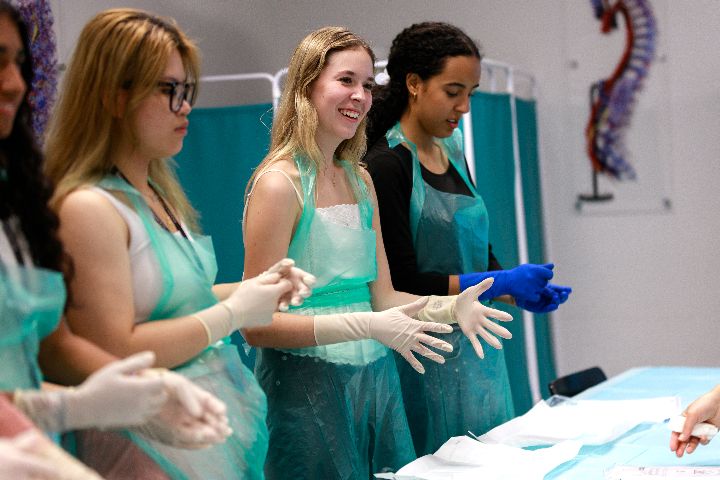
Picture yourself practicing suturing techniques in a simulation lab, observing surgeries inside a veterinary teaching hospital, working with livestock on university farms, or analyzing animal health cases alongside veterinary students and faculty. Veterinary camps help you move beyond textbook science by introducing you to the real skills and responsibilities involved in animal care and clinical decision-making.
Why is 2026 an especially interesting time to explore veterinary medicine?
For many students, vet programs in 2026 can also serve as an early foundation for their college journey. Spending time on a university campus, interacting with veterinary faculty, and participating in structured academic activities gives you a clearer sense of what studying veterinary medicine at a top institution might actually look like.
Veterinary science is becoming increasingly connected to public health, wildlife conservation, food systems, biomedical research, and environmental sustainability. Universities and research institutions are investing more heavily in animal-health education, simulation labs, and interdisciplinary veterinary research, giving high school students access to more advanced learning opportunities than ever before. Many veterinary camps now combine clinical training with topics like epidemiology, conservation biology, animal welfare, and emerging disease research, reflecting how much the field has expanded beyond traditional companion-animal care.
To help you find the strongest options, we’ve put together a list of the 15 Best Vet Camps for High School Students in 2026.
For adjacent opportunities, check out the medicine summer program and the online biology program.
15 Vet Camps for High School Students in 2026
1. University of Tennessee Veterinary Summer Experience Program (VSEP)
Location: University of Tennessee College of Veterinary Medicine and local veterinary clinics, Knoxville, Tennessee
Cost: Free; stipend, housing, and meals provided
Dates: June 9th – July 11th
Application Deadline: January 30th
Eligibility: Tennessee high school juniors and seniors, ages 16+, with a minimum 3.0 GPA
The Veterinary Summer Experience Program at the University of Tennessee combines veterinary clinic shadowing with university-based learning over six weeks. You’ll spend most of the program working directly in a veterinary practice, observing appointments, procedures, client communication, and daily clinic operations alongside licensed veterinarians. The final week takes place on the university campus, where you participate in labs, seminars, and structured activities led by veterinary faculty and students.
Because the program includes both real clinical exposure and academic instruction, it gives you a more realistic understanding of what veterinary medicine actually involves day to day. The experience is intensive and requires a full-time commitment, making it especially useful if you are already seriously considering a future in veterinary science. The small cohort size also means students receive close mentorship and individualized attention throughout the program.
Why it stands out: The combination of extended veterinary shadowing and residential university instruction makes this one of the more immersive and professionally oriented pre-vet experiences available to high school students.
2. Immerse Education’s Veterinary Medicine Summer School
Location: Sydney, Asutralia
Cost: Varies by format; summer school scholarship available through our bursary programme
Dates: 2 weeks during the summer
Application Deadline: Multiple summer cohorts; rolling admissions
Eligibility: Students around the world aged 13-18 currently enrolled in middle or high school
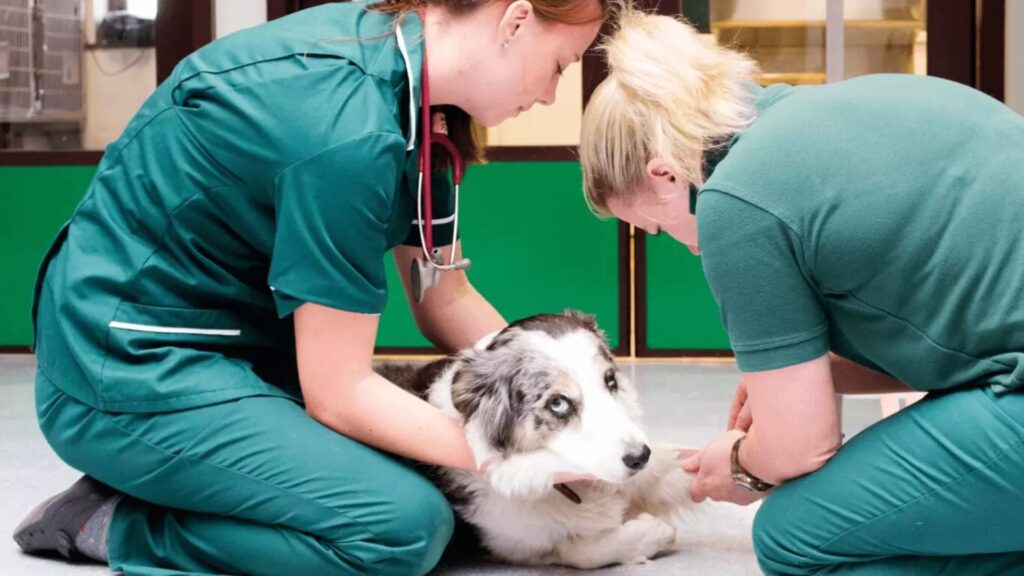
Immerse Education offers one of the most university-focused vet camps for high school students in 2026, introducing you to the scientific and ethical foundations of veterinary medicine through university-style teaching and case-based learning. You explore topics such as animal physiology, disease diagnosis, treatment approaches, and animal welfare, guided by experienced tutors. The program uses seminars, group discussions, and real-world case studies to help you understand how veterinary professionals assess and treat different species.
You also develop analytical and communication skills through collaborative projects and guided assignments. The in-person experience includes living in a Cambridge college environment, giving you insight into university life while studying a specialized subject. By the end, you receive a certificate and personalized feedback, helping you evaluate your interest in pursuing veterinary science further.
Why it stands out: You’ll study under expert academics, be guided daily by a university student mentor, complete a project you can show in future applications, and experience genuine university college life, with other campuses worldwide as alternatives.
3. University of Missouri – Advanced Veterinary Academy
Location: University of Missouri College of Veterinary Medicine, Columbia, Missouri
Cost: $400
Dates: June 8-12
Application Deadline: March 31st
Eligibility: High school juniors and seniors worldwide aged 16+, minimum 2.7 GPA, prior veterinary shadowing experience required
The Advanced Veterinary Academy at the University of Missouri is designed for students who already have some exposure to veterinary settings and want a more detailed introduction to veterinary education. You’ll participate in lectures, labs, dissections, pathology activities, radiology sessions, and clinical observations that mirror components of veterinary school coursework. Students also observe small-animal rounds, explore public health and toxicology topics, and watch surgical procedures within the veterinary teaching hospital.
The curriculum is more academically focused than many introductory camps, making it a good fit if you already know you’re seriously interested in veterinary medicine. Alongside the scientific content, the program also includes sessions on veterinary school admissions, interviews, and career pathways. Because the program blends clinical exposure with university-level instruction, it gives students a clearer sense of the rigor involved in professional veterinary training.
Why it stands out: This program moves beyond general exploration and introduces students to the academic structure, diagnostic reasoning, and hospital-based learning environment found in veterinary school itself.
4. University of Georgia – Veterinary Career Aptitude and Mentoring Program (VetCAMP)
Location: University of Georgia College of Veterinary Medicine, Athens, Georgia
Cost: $1,000
Dates: May 31st – June 6th
Application Deadline: January 20th
Eligibility: U.S. students in grades 10-12, ages 16+
For students comparing vet camps for high school students in 2026, the University of Georgia’s VetCAMP offers a residential veterinary experience focused on both the opportunities and demands of veterinary medicine. During the week, you’ll visit diagnostic labs, veterinary teaching hospitals, and specialised research facilities while participating in hands-on learning activities and guided discussions.
A major focus of the program is helping students evaluate whether veterinary medicine is genuinely the right fit, rather than simply presenting the profession in an idealized way. You’ll also interact directly with veterinary faculty, students, and practicing veterinarians throughout the experience. Because the program combines mentorship with clinical exposure, it provides a more realistic look at veterinary training and career preparation than many short summer camps.
Why it stands out: VetCAMP places unusual emphasis on self-assessment and professional readiness, helping students understand not just what veterinarians do, but what the training path actually requires.
5. Tufts University – Adventures in Veterinary Medicine High School Program
Location: Cummings School of Veterinary Medicine at Tufts University, North Grafton, Massachusetts
Cost: $1,800
Dates: June 22-26
Application Deadline: Rolling admissions beginning in December
Eligibility: Students around the world in grades 9-12
Tufts University’s Adventures in Veterinary Medicine program introduces students to veterinary medicine through practical clinical skills and collaborative case-based learning. During the week, you’ll practice procedures like bandaging, suturing, physical examinations, animal handling, and diagnostic interpretation while working in simulation labs designed for veterinary training.
The program is especially hands-on, with much of the learning centered around practicing veterinary techniques rather than only observing demonstrations. You’ll also spend time learning about farm animals and large-animal care alongside companion-animal medicine. Because students work in professional simulation spaces, the experience feels much closer to applied veterinary training than a traditional classroom camp.
Why it stands out: Tufts gives students early exposure to practical veterinary procedures and simulation-based clinical learning that closely reflects real veterinary education environments.
6. North Carolina State University – VetCAMP
Location: North Carolina State University, Raleigh, North Carolina
Cost: $750 for day campers; an additional $250 for overnight campers; $28 application fee for each week you apply to
Dates: July 6-10 or July 13-17
Application Deadline: April 6th
Eligibility: Rising local high school sophomores, juniors, seniors, and college freshmen ages 15+
NC State’s VetCAMP introduces students to veterinary medicine through labs, dissections, suturing sessions, and animal handling activities connected to both small- and large-animal care. You’ll work with horses, sheep, pigs, and companion animals while exploring topics related to anatomy, clinic procedures, and veterinary pathways. The program balances technical skills with broader career exploration, making it approachable for students who are still narrowing down their interests within animal science.
The camp also includes opportunities to engage with veterinary students and faculty in both academic and informal settings. Because students interact with multiple species and veterinary settings during the week, the experience gives a broader picture of the profession beyond small-animal clinics alone.
Why it stands out: The combination of suturing labs, dissections, and large-animal experiences helps students explore several sides of veterinary medicine within a single program.
7. Purdue University – Senior Boiler Vet Camp
Location: Purdue University College of Veterinary Medicine, West Lafayette, Indiana
Cost: $1,600
Dates: June 21-27
Application Deadline: February 2nd
Eligibility: Students entering grades 10-12 worldwide
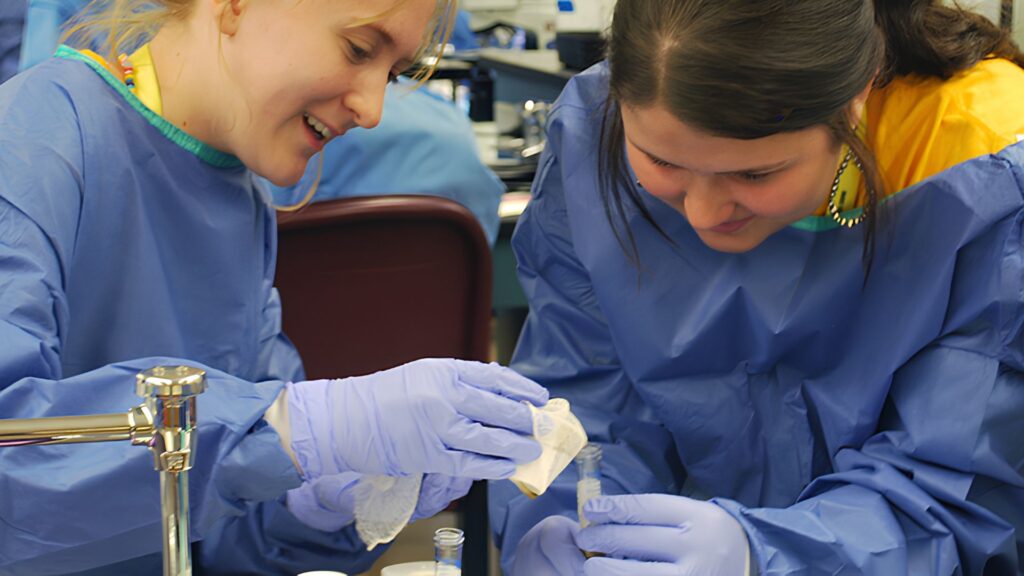
Purdue’s Senior Boiler Vet Camp introduces veterinary medicine through a case-based learning structure centered around the treatment journey of a rescue dog. Throughout the week, you’ll explore topics like animal behaviour, physical examinations, parasitology, anaesthesia, emergency care, surgery preparation, and shelter medicine while connecting each activity to an ongoing patient case.
By following a single patient case across multiple stages of care, students gain a more connected understanding of how veterinary medicine works in practice rather than learning isolated skills separately. The collaborative format encourages discussion, observation, and clinical reasoning in a university environment. The case-based approach makes the learning experience feel more realistic and structured than many traditional summer camps focused only on demonstrations.
Why it stands out: The program’s continuous patient-care model helps students understand veterinary medicine as a long-term diagnostic and treatment process rather than a collection of disconnected procedures.
8. Colorado State University – SciVet Summer Program
Location: Colorado State University, Fort Collins, Colorado
Cost: $1,800 residential | $1,200 commuter
Dates: June 22-26
Application Deadline: February
Eligibility: High school students aged 15+; international students are welcome to apply
Colorado State University’s SciVet Summer Program adds a research-focused option to this list of vet camps for high school students in 2026, combining veterinary science with broader biological and environmental research through hands-on investigations in laboratory and field settings. You’ll participate in activities related to wildlife research, water quality, integrative veterinary medicine, equine-assisted therapy, and scientific data collection while working with professional research tools and equipment.
Unlike programs focused mainly on companion-animal care, SciVet places stronger emphasis on scientific investigation, ecology, and research connected to animal health. Because the cohort is intentionally small, students receive more individualized mentorship and direct interaction with instructors. The combination of veterinary science and environmental research makes this a strong option if you are interested in both medicine and scientific inquiry.
Why it stands out: SciVet approaches veterinary medicine through a research and field-science perspective, giving students exposure to both clinical and environmental aspects of animal health.
9. University of Florida – Gator Vet Camp
Location: University of Florida College of Veterinary Medicine, Gainesville, Florida
Cost: Approximately $1,500 plus application fee
Dates: June 7-12 or June 21-26
Application Deadline: February 27th
Eligibility: Rising 10th-12th grade students residing in Florida
Gator Vet Camp gives high school students an introduction to veterinary medicine through clinical labs, veterinary coursework, and exposure to different animal-care specialties. During the program, you’ll participate in guided academic sessions while exploring areas such as wildlife medicine, aquatic animal care, large-animal practice, and companion-animal health. The curriculum is designed to show students that veterinary medicine extends far beyond traditional pet care, introducing a wider range of career pathways within the field.
Living on campus also allows students to experience university life alongside the academic programming. Because sessions are divided by grade level, the program adjusts expectations and activities to better match students’ academic backgrounds and experience levels.
Why it stands out: Gator Vet Camp combines broad exposure to veterinary specialties with college-readiness discussions and residential campus immersion.
10. UMass Amherst – Pre-Veterinary Medicine Program
Location: University of Massachusetts Amherst, Amherst, Massachusetts
Cost: $3,982 residential | $2,337 commuter + supply fee
Dates: June 29th – July 12th
Application Deadline: May 1st
Eligibility: Rising high school juniors and seniors from around the world
UMass Amherst’s Pre-Veterinary Medicine Program introduces students to veterinary science through laboratory modules, farm-based learning, and university coursework over two weeks. You’ll study topics including comparative anatomy, animal handling, diagnostic imaging, veterinary pharmacology, clinical pathology, parasitology, and wound management while working directly with animals at university farms and facilities.
The program places strong emphasis on practical exposure, giving students opportunities to work with livestock and farm animals rather than focusing only on classroom theory. Students who complete the program also earn two college credits. Because of its academic structure and longer duration, the experience feels closer to a true pre-college veterinary course than a short exploratory camp.
Why it stands out: The combination of university coursework, animal handling, and college credit makes this one of the more academically rigorous veterinary summer options for high school students.
11. NSLC High School Summer Veterinary Program
Location: Virginia Tech, Blacksburg, Virginia
Cost: $4,295
Dates: Multiple sessions from June to July
Application Deadline: Rolling admissions
Eligibility: High school students worldwide
The National Student Leadership Conference’s Veterinary Medicine Program introduces students to veterinary science through clinical simulations, labs, leadership workshops, and university-based instruction. You’ll study anatomy, physiology, diagnostics, pathology, and animal behaviour while participating in activities designed to model veterinary clinical decision-making.
The program combines scientific learning with leadership-focused activities, so students spend time developing communication and teamwork skills alongside veterinary knowledge. Students also gain exposure to university facilities and collaborative learning environments during the residential experience. Because the curriculum balances technical instruction with broader professional development, the program appeals to students interested in both science and leadership.
Why it stands out: NSLC integrates veterinary science with leadership development, offering students exposure to both clinical concepts and professional communication skills.
12. Texas A&M AgriLife Veterinary Science Overnight Summer Camps
Location: Multiple Texas campuses including College Station, Stephenville, and Canyon
Cost: $575 – $750
Dates: Multiple sessions from May to July
Application Deadline: March 1st
Eligibility: Students entering grades 9-12; international student eligibility not specified
Texas A&M AgriLife’s Veterinary Science Overnight Camps introduce students to animal health and veterinary careers through labs, demonstrations, and hands-on activities hosted at multiple university campuses across Texas. During the camp, you’ll learn veterinary science fundamentals, practice animal-handling skills, and explore concepts connected to diagnostics, agriculture, and biomedical science.
The camps place noticeable emphasis on agricultural and livestock veterinary pathways, which helps students understand parts of the profession that are often less visible in traditional pre-vet programs. Instruction is delivered by university-affiliated faculty, educators, and veterinary professionals. Because camps are offered across multiple campuses and regions, students can experience different educational settings and local focuses within veterinary science.
Why it stands out: The program combines veterinary education with agricultural science and animal health systems, offering broader exposure to livestock and public-health-related veterinary careers.
13. AgDiscovery @ Iowa State University
Location: Iowa State University, Ames, Iowa
Cost: Free
Dates: July 13-26
Application Deadline: April 15th
Eligibility: Students in grades 9-11, ages 15-17; must be U.S. citizens, permanent residents
AgDiscovery at Iowa State University is a residential summer program focused on veterinary medicine, animal science, and agricultural health through hands-on learning and field experiences. You’ll participate in diagnostic labs, bacterial culture activities, conservation science projects, and workshops connected to animal health and disease prevention while learning from university faculty and USDA scientists.
The curriculum introduces students to the broader connections between veterinary medicine, food systems, public health, and conservation rather than focusing only on companion-animal care. Living on campus also gives students experience with college routines and collaborative learning environments. Because the program is funded and free to attend, it provides unusually strong access to advanced veterinary and agricultural science experiences at no cost.
Why it stands out: AgDiscovery combines veterinary medicine with agricultural science, diagnostics, and conservation work while remaining fully funded for participants.
14. Auburn University – 9th and 10th Grade Veterinary Camp
Location: Auburn University, Auburn, Alabama
Cost: $1,300
Dates: June 22-26
Application Deadline: Not specified
Eligibility: Rising 9th and 10th grade students worldwide
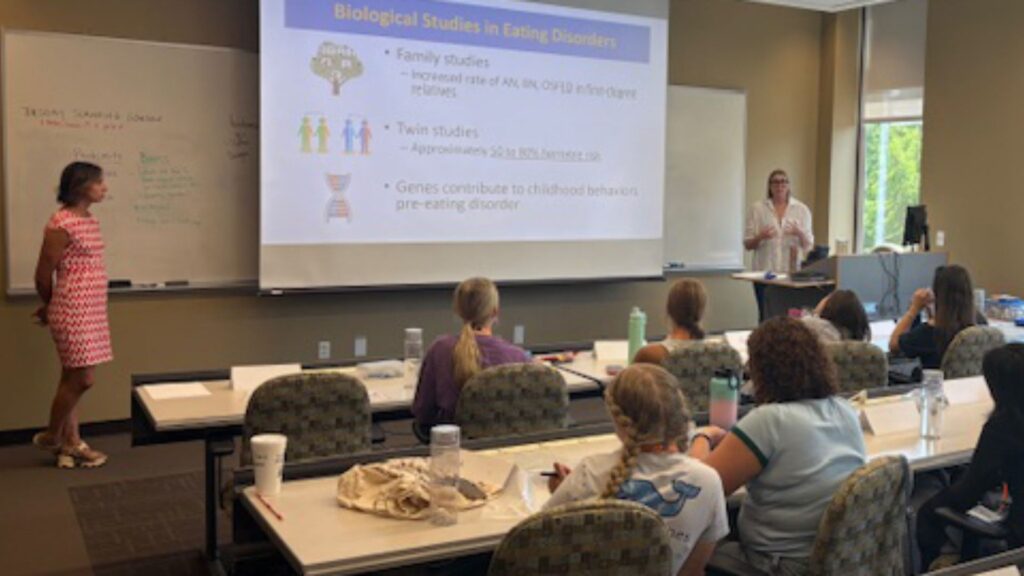
Auburn University’s Veterinary Camp introduces younger high school students to veterinary medicine through hands-on activities, lab experiences, and exposure to multiple animal-care settings across campus. During the week, you’ll explore topics such as anatomy, physiology, surgery preparation, public health, animal research, and wildlife care while learning directly from university faculty and veterinary professionals.
The program is intentionally designed for students early in high school, making the content approachable while still exposing participants to real veterinary concepts and facilities. Alongside academic sessions, students also engage in mentorship and discussions about veterinary careers and university pathways. Because the camp introduces both companion-animal and wildlife-focused learning, students gain a wider perspective on veterinary medicine beyond traditional clinic settings.
Why it stands out: Auburn’s program gives younger high school students early exposure to veterinary medicine across multiple species and research environments in a university setting.
15. Boston Leadership Institute – Veterinary Medicine Summer Program
Location: Bentley University/Gann Academy, Waltham, Massachusetts
Cost: $2,500 tuition + residential fee $2,097
Dates: July 6-24
Application Deadline: Rolling admissions
Eligibility: Rising 9th-12th grade students around the world
The Veterinary Medicine Summer Program at Boston Leadership Institute is one of the more hands-on vet camps for high school students in 2026, introducing students to clinical veterinary skills, diagnostic reasoning, and animal health science through three weeks of instruction. You’ll practice suturing, casting, CPR, bandaging, and physical examinations while studying anatomy, immunology, parasitic disease, virology, and emergency care through case-based learning activities.
Much of the learning is built around practical application, so students spend significant time actively working through veterinary procedures and medical cases rather than only attending lectures. Students are also introduced to veterinary subspecialties including exotic animal medicine, shelter medicine, and large-animal care. Because the program combines technical skills with field visits and simulation-based learning, it offers a broader overview of veterinary medicine than many shorter camps.
Why it stands out: The program combines clinical skills training, veterinary case work, and off-campus field experiences to give students exposure to several areas of veterinary medicine within a structured pre-college setting.
Your Next Step After a Vet Camp Experience
Not every student leaves a vet camp with the same goal. Some discover clinical care, while others become more interested in research, conservation, or public health.
The vet camps for high school students in 2026 listed here help you investigate those interests through labs, simulations, animal handling, research, and university-led learning.
Afterwards, ask yourself what felt most meaningful: treating animals, studying disease, working with livestock, exploring wildlife care, or solving clinical cases.
Ready to turn that experience into stronger university preparation? Visit our University Preparation blogs for application advice, study planning, and academic skill-building.