
 Русский (RU)
 Українська (UK)
 Türkçe (TR)
 Italiano (IT)
 Français (FR)
 Português (PT)
 中文 (中国) (ZH)
 Español (ES)
 日本語 (JA)
 ไทย (TH)
 Deutsch (DE)
 Ελληνικά (EL)
 Polski (PL)
 Bahasa Indonesia (ID)
 Nederlands (NL)
 العربية (AR)
 한국어 (KO)

Neuroscience becomes far more tangible when you move beyond diagrams of the brain and start asking how knowledge about the brain is actually produced. If you’re curious about how researchers study memory, decision-making, or neurological disorders in real settings, neuroscience research programs for high school students offer a structured way to explore the field seriously.
In these programs, you may find yourself analyzing data, discussing research papers, or working through how an experiment is designed and evaluated. You build core skills such as hypothesis formation, data interpretation, and scientific communication, while also getting a feel for how research teams operate in academic settings. They can act as a foundation for your college journey, showing you what university life is like at a top institution.
How do you choose the right neuroscience research program for high school students?
Not all programs offer the same level of depth. Some focus on lectures, while others emphasize hands-on research and mentorship. It’s important to look for programs that include structured projects, guidance from researchers, and opportunities to engage with real scientific questions.
Many university- and government-hosted programs include seminars, lab exposure, and collaborative research tasks across areas like cognitive neuroscience, neurobiology, or computational neuroscience. These experiences reflect how neuroscience is studied at the undergraduate level and help you assess whether research in this field aligns with your interests. You’ll learn skills like understanding brain anatomy, interpreting fMRI data, and working with datasets using tools such as Python or R
To help you navigate your options, we’ve compiled a list of 15 neuroscience research programs for high school students. They’ve been selected for their academic rigor, research exposure, and relevance to university-level study.
For adjacent options, check out the online biology program, the online psychology program, and the biology summer program.
15 Neuroscience Research Programs for High School Students
1. Neuroscience Research Academy – University of Pennsylvania
Location: University of Pennsylvania, Philadelphia, PA (Fully Residential)
Cost: $10,050; need-based financial aid is available
Acceptance rate/cohort size: Highly Selective; approximately 60 students
Dates: July 11th – August 1st
Application Deadline: Priority: January 28th; Final: March, rolling until capacity is reached
Eligibility: Current 9th – 11th grade students; minimum 3.3+ GPA; high school Biology and Chemistry completed; open to international students
At the University of Pennsylvania’s Neuroscience Research Academy, you will immerse yourself in an intensive, three-week residential exploration of the brain. The comprehensive curriculum covers the cellular foundations of neurons, sensory systems, and higher-order cognitive functions like memory and morality.
Throughout the program, you will attend twice-daily faculty lectures, debate ethical dilemmas in a neuroethics club, analyze peer-reviewed literature in a journal club, and conduct hands-on laboratory experiments. A unique feature of this academy is that you are taught directly by Penn’s undergraduate neuroscience faculty, providing an authentic Ivy League academic experience. By the end, you will master critical skills in experimental lab techniques, scientific literacy, and academic presentation.
Why it stands out: It seamlessly blends rigorous, university-level clinical theory with real-world ethical debates and hands-on laboratory practice within an immersive campus environment.
2. Immerse Education’s Psychology Summer School
Location: Cambridge, Sydney, Singapore, Oxford, Toronto, and London
Cost/Stipend: Varies; summer school scholarship available through our bursary programme
Acceptance rate/cohort size: Selective; an average of 7 participants per class
Dates: Multiple 2-week sessions across June-August
Application Deadline: Rolling admissions
Eligibility: Students aged 13-18; open to international students
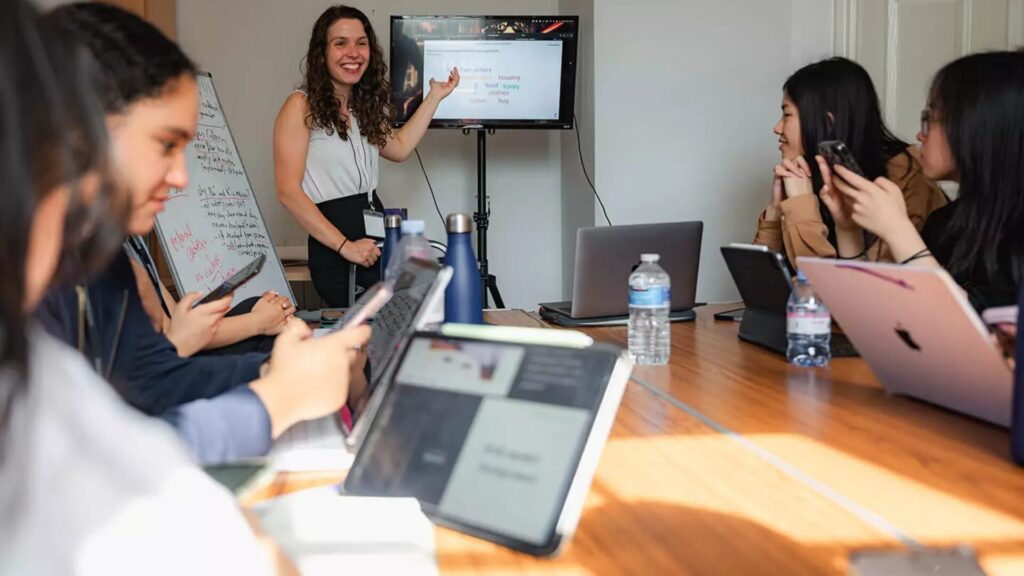
Immerse Education’s summer schools allow high school students to experience university life firsthand. You will live on campus, study in small groups of 7 to 10 students, and learn from tutors at top universities. As a participant, you will explore cognitive psychology, neuroscience, and the principles of behavioural psychology.
You will also study how environmental factors shape human behaviour and understand the concepts that create social dynamics. At the end of the program, you will complete a personal project and receive written feedback along with a certificate of completion. You can find more details about the application here.
Why it stands out: It offers a focused, interdisciplinary introduction to neuroscience in a university-style setting, combining scientific theory with research-oriented learning.
3. Mass General – Youth Neurology Education and Research Program (YNEP)
Location: Massachusetts General Hospital / Harvard Medical School, Boston, MA
Cost/Stipend: No cost / Stipend paid, amount not disclosed
Acceptance rate/cohort size: Highly selective; approximately 20-30 students
Dates: Typically July – August (approx. 6 weeks)
Application Deadline: January 31st
Eligibility: Rising high school seniors or recent high school graduates (rising college freshmen). Applicants must have a strong interest in neurology or neuroscience; living or studying in Massachusetts during the program and must have legal authorization to work in the United States; not open to international students
The Youth Neurology Education and Research Program (YNEP) at Massachusetts General Hospital is one of the most clinically grounded neuroscience research programs for high school students, giving you a structured introduction to neuroscience through research exposure and clinical learning. You take part in lab-based activities, observe aspects of hospital and clinical environments, and attend lectures led by neurologists and researchers.
The curriculum explores topics such as brain disorders, neuroanatomy, and modern research methods, helping you see how neuroscience is applied in medicine. You also engage in group projects and discussions that strengthen skills in scientific reasoning, data interpretation, and communication. Guidance from clinicians and researchers provides useful insight into academic pathways and careers in neuroscience or healthcare.
Why it stands out: It combines research exposure with clinical observation at a leading hospital, offering insight into both the scientific and medical sides of neuroscience.
4. Explorations in Neuroscience Research Internship Program – Ohio State University
Location: OSU College of Medicine, Department of Neuroscience, Columbus, OH
Cost/Stipend: No cost / Stipend paid, amount not disclosed
Acceptance rate/cohort size: Highly Selective; small cohort sizes
Dates: 8 weeks during summer, usually mid-June to early August
Application Deadline: Early March
Eligibility: Rising high school juniors and seniors with an interest in biomedical research; U.S. citizens, non-citizen nationals, or permanent residents; not open to international students
The Explorations in Neuroscience Research Internship Program at Ohio State University is an eight-week, paid initiative centered on pre-clinical bench research. The program explores highly specialized topics in general neuroscience, neurological injury, and neurodegeneration. During the internship, you will conduct hands-on experiments for a mentor’s active project, attend weekly professional workshops, analyze raw data, and present your final results at a formal poster session.
A unique feature of this NIH-funded experience is its strict emphasis on foundational laboratory science rather than clinical patient shadowing. Consequently, you will learn laboratory protocols like pipetting and imaging, while developing strong, practical skills in data interpretation and scientific communication.
Why it stands out: It provides high school students with a rare, fully paid opportunity to perform hands-on bench research within a professional, NIH-funded academic laboratory.
5. Duke University Neuroscience Experience (DUNE) (Duke University)
Location: Duke University West Campus, Durham, NC
Cost/Stipend: No cost / Stipend paid, amount not disclosed
Acceptance rate/cohort size: Highly Selective; approximately 8 students per summer
Dates: June 15th – August 7th
Application Deadline: February 8th
Eligibility: High school sophomores and juniors who are at least 16 years old by June 15, 2026, and attend a public or charter high school in Durham, NC; not open to international students
The Duke University Neuroscience Experience (DUNE) is one of the most selective neuroscience research programs for high school students, offering an eight-week, full-time paid internship that immerses you directly into neuroscience research. Throughout the program, you will explore topics ranging from basic neurobiology and experimental design to scientific communication and STEM career pathways.
You will engage in core activities such as conducting hands-on experiments in a matched Duke laboratory, participating in professional development workshops, and designing a research poster. Additionally, you will present your data to scientists and peers at a closing symposium. A unique feature of this program is its exclusive focus on supporting public and charter high school students from Durham.
Why it stands out: It provides an authentic, apprenticeship-style experience where you receive individualized mentorship from professional neuroscientists while earning a stipend instead of paying tuition.
6. Center for Neurotechnology (CNT) Young Scholars Program – University of Washington / NSF
Location: University of Washington, Seattle, WA, or virtual
Cost/Stipend: $500 in-person / $100 virtual; limited financial aid may be available
Acceptance rate/cohort size: Selective; approximately 25-30 students
Dates: Typically 5 days in mid-to-late July
Application Deadline: March 15th; regular admission often extends to mid-May if space permits
Eligibility: Current high school students, including graduating seniors; open to international students
The Center for Neurotechnology’s Young Scholars Program (YSP-REACH) at the University of Washington is a five-day summer experience designed to immerse you in neuroscience research. You will explore a comprehensive range of topics, including neuroscience, neural engineering, neuroethics, scientific communication, electrical stimulation, brain-computer interfaces, and STEM career pathways.
You will engage in activities like dissecting animal brains, recording neural signals from insect limbs, exploring prosthetic sensory adaptations, and touring professional engineering labs. The program gives you direct exposure to an NSF-funded center that actively develops engineered neuroplasticity devices for neurological rehabilitation.
Why it stands out: It offers an accessible, low-cost entry point into cutting-edge neurotechnology, giving you direct access to leading experts and specialized university facilities.
7. Research in the Biological Sciences (RIBS) – University of Chicago
Location: University of Chicago, Main Campus, Hyde Park, Chicago, IL
Cost: $15,200; need-based financial aid is available
Acceptance rate/cohort size: Highly Competitive; approximately 40 students per session
Dates: June 15th – July 10th
Application Deadline: Typically, mid-March
Eligibility: Current 10th and 11th-grade students, rising juniors and seniors; applicants must have completed at least one year of high school biology, with honours or AP level strongly preferred; open to international students
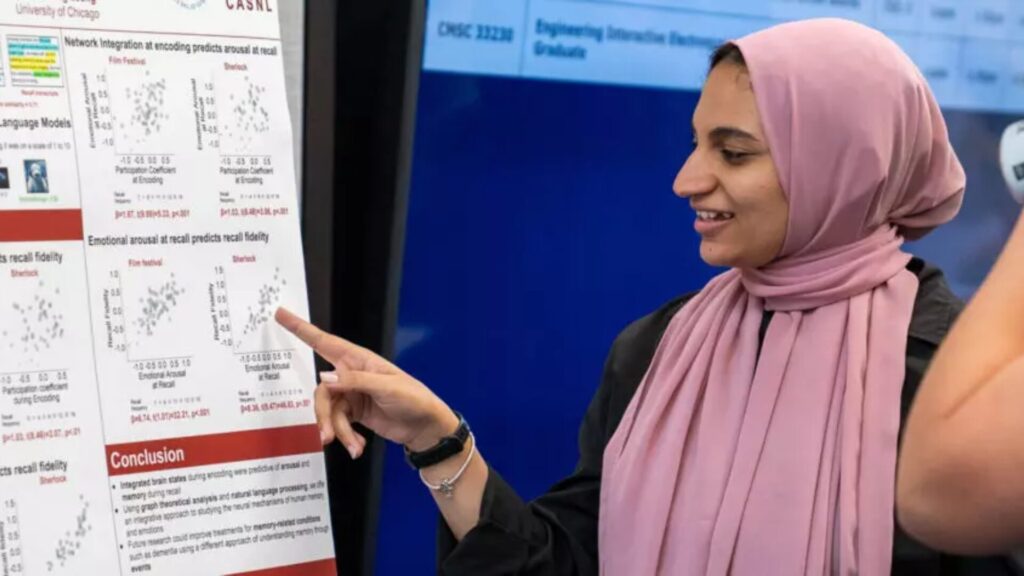
This program immerses you in neurobiology alongside molecular biology, genetics, and microbiology. You will spend most of your day working at a lab bench conducting hands-on experiments, analyzing primary scientific papers, maintaining detailed lab notebooks, and delivering poster presentations at a concluding research forum.
The program’s project-based structure transitions you from surveying foundational techniques directly to applying them to your own independent experimental questions, which is ideal for studying neural mechanisms. Through this rigorous process, you learn essential skills like advanced cellular laboratory techniques, data analysis, and scientific communication.
Why it stands out: Top-performing students are often invited back the following year to work directly alongside a UChicago research scientist in an active university lab.
8. Broad Summer Scholars Program (BSSP) – Broad Institute of MIT and Harvard
Location: Broad Institute, Cambridge, MA
Cost/Stipend: No cost / $3,600 stipend
Acceptance rate/cohort size: Highly Selective; approximately 15-20 students
Dates: June 29th – August 7th
Application Deadline: January 21st
Eligibility: Rising high school seniors; U.S. citizens, permanent residents, or non-U.S. citizens with employment authorization who attend high school in Massachusetts or live within commuting distance of the Broad Institute; a B or better in science and math classes; not open to international students
The Broad Summer Scholars Program (BSSP) offers a rigorous six-week immersion into the biological foundations of brain disorders. You will broadly explore topics such as genomic analysis, computational neurobiology, and the molecular mechanisms behind psychiatric and neurological diseases. Throughout the summer, you will culture engineered cells, execute electrophysiology experiments to record cell currents, analyze bioinformatics data, and present your original research at a formal poster session.
A truly unique feature of BSSP is that it pairs you directly with elite MIT and Harvard scientists while providing a stipend. By the program’s conclusion, you will have developed highly technical skills in laboratory protocols, data interpretation, and professional science communication.
Why it stands out: It eliminates financial barriers to elite STEM education, paying you to actively contribute to authentic, graduate-level genomic medicine research rather than charging you to simply observe it.
9. UCLA BrainSPORT Summer High School Research Internship (UCLA)
Location: UCLA Health / Steve Tisch BrainSPORT Program, Los Angeles, CA
Cost/Stipend: None
Acceptance rate/cohort size: Highly Selective; typically ~4 students per summer
Dates: June to late August
Application Deadline: April 1st
Eligibility: Rising high school juniors in the LA community; must have a strong interest in neuroscience/TBI; not open to international students
The UCLA BrainSPORT Summer High School Research Internship is a practical clinical experience focused on neuroscience and sports medicine. Throughout the summer, you cover specific topics like traumatic brain injuries, sports-related concussions, and general brain health. Your daily responsibilities involve implementing study protocols, recruiting patients for active clinical studies, logging research data, and joining weekly lab discussions.
The internship’s most unique feature is that you work directly in an actual clinical environment alongside a multidisciplinary team of pediatric neurologists. By the end, you will have developed practical skills in clinical research methodology, data analysis, and scientific communication as you prepare your final project.
Why it stands out: It integrates you directly into real-world clinical trials and patient interactions rather than limiting you to simulated classroom laboratory exercises.
10. Barrow Neurological Institute Summer High School Internship Program
Location: Barrow Neurological Institute, Phoenix, AZ
Cost/Stipend: None
Acceptance rate/cohort size: Highly competitive; ~12-13 students
Dates: June 5th – July 9th
Application Deadline: February 10th
Eligibility: High school students who are at least 16 years old by the start date; U.S. students; not open to international students
The Barrow Neurological Institute Summer High School Internship Program is a five-week, fully funded opportunity that places you in an active neuroscience laboratory. You work with researchers studying areas such as neuro-oncology, stroke, neuroimaging, or neurorehabilitation, giving you exposure to real scientific and clinical projects.
Alongside laboratory work, the program includes weekly seminars, technical workshops, and boot camps that introduce common tools and methods used in neuroscience research. You also build skills in experimental design, data analysis, and scientific communication while learning how studies are carried out in both clinical and lab settings. Many participants conclude the experience with a final presentation or symposium where they share their work.
Why it stands out: It provides direct lab-based research experience at a leading neurological institute, combined with structured mentorship and a final research symposium.
11. Rockefeller University – Summer Neuroscience Program (SNP)
Location: Rockefeller University, New York, NY
Cost/Stipend: None
Acceptance rate/cohort size: Highly Selective; ~16-20 students
Dates: August 10-21
Application Deadline: March 15th
Eligibility: Students at least 16 years old by the start date and currently enrolled in a NYC Public High School; not open to international students
The Summer Neuroscience Program (SNP) at Rockefeller University is a six-week full-time internship that places you in a working neuroscience laboratory alongside professional scientists. You are paired with a mentor and contribute to ongoing projects that may involve neural circuits, behavior, or cellular processes, depending on your placement.
In addition to lab work, you attend lectures, workshops, and lab meetings that introduce current questions, techniques, and developments in neuroscience. Throughout the program, you build skills in experimental methods, data analysis, and scientific reasoning while observing how research teams function in a professional setting. The experience concludes with a final presentation where you share your work with peers and faculty.
Why it stands out: It offers full-time lab placement with scientists in a highly selective, stipend-supported program, making it one of the most rigorous neuroscience research internships available to high school students.
12. High School Summer Research Program – Cincinnati Children’s Hospital
Location: Cincinnati Children’s Hospital Medical Center, Burnet Campus, Cincinnati, OH
Cost/Stipend: No cost / Stipend paid, amount not disclosed
Acceptance rate/cohort size: Highly Competitive; approximately 30-50 students
Dates: Early June – Late July
Application Deadline: Early February
Eligibility: Graduating high school seniors who reside in the Greater Cincinnati area; must have an interest in healthcare or biomedical research; not open to international students
In the Cincinnati Children’s Hospital High School Senior Summer Internship, you immerse yourself in pediatric biomedical research, specifically exploring neuroscience and clinical medicine. You will cover essential topics like clinical research methodology, neurological functioning, and basic brain development.
During this eight-week paid experience, you will shadow a dedicated neuroscience faculty mentor, participate in hands-on medical simulations in the state-of-the-art SIM Center, and attend weekly lunch seminars to network with peers. The program enables you to observe cross-specialty pediatric care while executing a structured research project. Ultimately, you will learn essential lab techniques, scientific data analysis, and professional medical communication skills.
Why it stands out: It offers an exceptionally rare, paid opportunity to directly shadow pediatric specialists while executing clinical research, although it is officially paused for the upcoming summer of 2026 as the hospital redesigns its curriculum.
13. Research in Science & Engineering (RISE) – Boston University
Location: Boston University Campus (Boston, MA)
Cost/Stipend: Total Residential: $10,393 – $10,735 (Includes $5,930 Tuition, $485 Service Fees, and $3,978 – $4,320 Housing/Dining); scholarships are available
Acceptance rate/cohort size: Highly Competitive; approximately 190 students total
Dates: June 28th – August 7th
Application Deadline: February 4th
Eligibility: High school students entering their senior year in Fall; U.S. citizens and legal permanent residents; not open to international students
The Boston University Research in Science & Engineering (RISE) program immerses you in a six-week summer experience covering neuroscience, computational neurobiology, and data science, alongside broader STEM disciplines. You can choose the Internship track for independent wet-lab projects or the Practicum track for structured neurobiology research.
During the program, you will attend morning theory lectures, conduct guided afternoon laboratory research, tour local biotech companies, and present your findings at a poster symposium. The program features an authentic academic environment, allowing you to contribute to actual, ongoing university research instead of repeating predetermined high school experiments.
Why it stands out: It bypasses traditional introductory coursework, giving you the rare chance to directly collaborate with distinguished university faculty on real-world scientific breakthroughs.
14. Max Planck Florida Institute (MPFI) High School Internship
Location: Max Planck Florida Institute for Neuroscience, Jupiter, FL
Cost/Stipend: No cost / Stipend of $14/hr
Acceptance rate/cohort size: Highly selective; ~15-20 students
Dates: June 22nd – July 31st
Application Deadline: February 8th
Eligibility: High school students ages 16 and up who are entering their junior or senior year, are authorised to work in the U.S., and are residents of Palm Beach or Martin Counties in Florida; not open to international students
The Max Planck Florida Institute for Neuroscience offers a six-week summer internship centered on hands-on laboratory research in neuroscience. Based in Jupiter, Florida, the institute studies neural circuits involved in vision, motor control, learning, and memory, giving you insight into how brain function is investigated at the cellular level. Depending on your interests, you may join tracks in neuroscience, scientific programming, or mechanical engineering, each connected to active research or laboratory instrumentation.
Alongside experimental work, you engage with scientific literature and receive training in reading, writing, and presenting research. The program prioritizes direct participation in research rather than classroom-only learning, helping you understand how studies are planned and executed.
Why it stands out: It offers a lab-based research experience within a leading neuroscience institute, with multiple specialized tracks and a strong focus on scientific communication and presentation skills.
15. Columbia University – BRAINYAC (Brain Research Apprenticeships in New York at Columbia)
Location: Columbia University Irving Medical Center, New York, NY
Cost/Stipend: No cost; stipend provided
Acceptance rate/cohort size: Highly selective; approximately 20 students per year
Dates: Spring Training: January – May (Saturdays); Summer Internship: Late June – mid-August (7 weeks, full-time)
Application Deadline: Typically mid-October to early November
Eligibility: High school sophomores and juniors who reside in or attend school in Upper Manhattan or the Bronx, and are part of partner programs (e.g., S-PREP, Lang Science Program); not open to international students
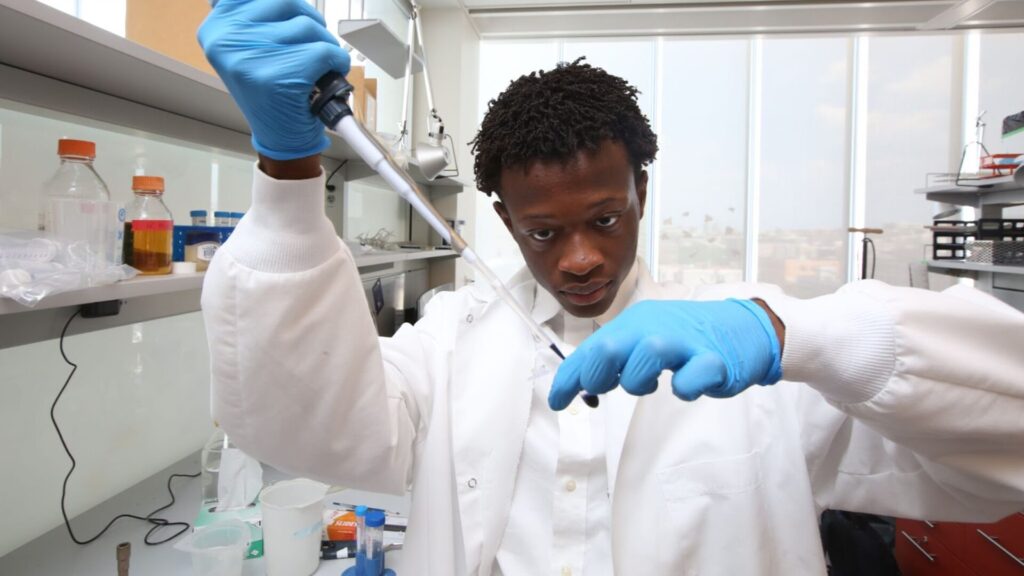
BRAINYAC is a neuroscience research program that connects you with Columbia faculty and researchers working in brain science, neurology, and mental health. The experience begins with seminars covering foundational topics such as brain anatomy, cognition, and neurological disorders. Afterward, you are matched with a research lab, where you support ongoing studies and gain experience with experimental methods, data collection, and analysis.
Working in an active medical research environment helps you understand how neuroscience investigations are carried out in both academic and clinical settings. The program also includes lectures, mentorship sessions, and professional development workshops that introduce pathways into medicine and scientific research.
Why it stands out: It places you in a Columbia medical research lab, allowing you to work on real neuroscience projects while learning directly from clinicians and researchers in a hospital-based setting.
Prepare Your Next Step Beyond the Lab
Lab work can change the way you see neuroscience, especially when you move from textbook explanations to data, experiments, and research discussions.
Through the neuroscience research programs for high school students featured here, you can explore areas such as neurotechnology, brain disorders, clinical research, and computational biology.
You’ll come away with more than subject knowledge: you’ll have concrete experiences that show how you think, investigate, and communicate scientific ideas.
When you’re ready to turn that experience into a stronger university direction, explore our University Preparation blogs and start planning your next step.