
 Русский (RU)
 Українська (UK)
 Türkçe (TR)
 Italiano (IT)
 Français (FR)
 Português (PT)
 中文 (中国) (ZH)
 Español (ES)
 日本語 (JA)
 ไทย (TH)
 Deutsch (DE)
 Ελληνικά (EL)
 Polski (PL)
 Bahasa Indonesia (ID)
 Nederlands (NL)
 العربية (AR)
 한국어 (KO)

As a high school student, you’ve probably come across online courses before, but many feel like an extension of school: recorded lectures, assignments, and little interaction. Online summer courses for high school students can offer a more active experience, giving you a structured way to explore subjects you’re curious about while engaging with ideas, projects, and discussion.
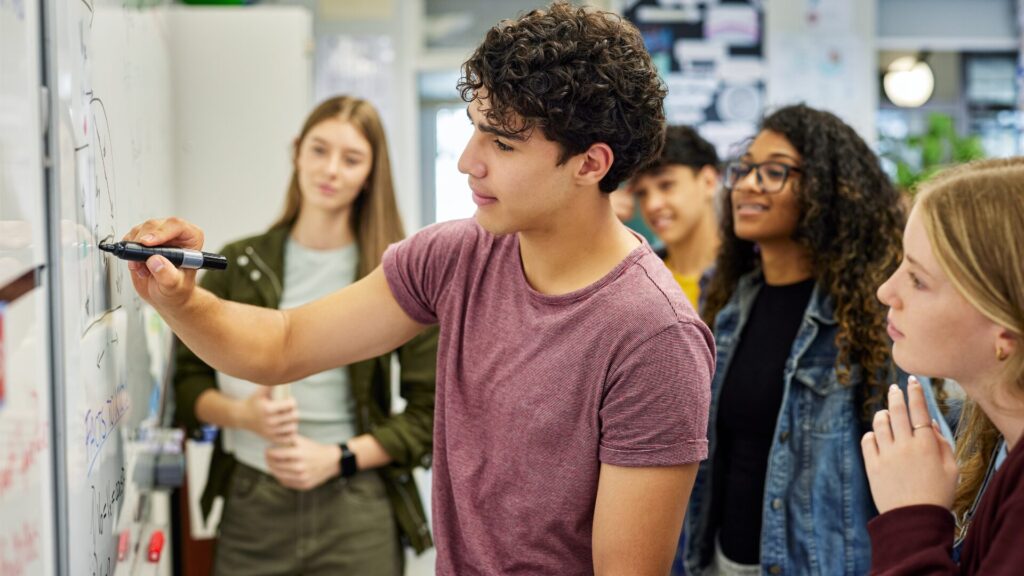
Instead of just reading or watching, you might find yourself debating ideas in small-group seminars, working on independent projects, or collaborating with students from different countries. Whether it’s coding a basic app, analysing a piece of literature, exploring business case studies, or diving into psychology experiments, these programmes are structured to show you how subjects are studied at university level.
At the same time, you still get exposure to academic expectations, peer discussions, and structured coursework that mirrors real college classes.
How do you choose the right online summer courses for high school students?
Choosing the right online summer course can feel overwhelming, especially since many programs look similar at first glance. Some may be too basic, others too lecture-heavy, and a few might not offer much interaction or real learning beyond surface-level content. That’s why it’s important to evaluate what you actually want from the experience.
Start by thinking about your goal. Are you exploring a new subject, strengthening an existing interest, or preparing for college-level academics? Some courses are introductory and broad, while others are more specialized and require prior knowledge. Picking the right level ensures you stay challenged without feeling lost.
If you’re trying to explore your interests, build skills, or simply understand what studying a subject in depth feels like, online summer courses can be a practical starting point. To help you navigate your options, here’s a curated list of 15 Online Summer Courses for High School Students, selected for their academic quality, interactivity, and relevance to future study paths.
For adjacent opportunities, consider in-person summer courses.
15 Online Summer Courses for High School Students
1. Georgetown University Pre-College Online: Medical Graduation

Location: Online; remote and accessible globally
Cost/Stipend: ~$1,895-$3,995; need-based scholarships available
Acceptance rate/cohort size: Not specified
Dates: Year-round; 1-12 weeks depending on course type
Application Deadline: Rolling; no fixed deadline
Eligibility: Open to students aged 13+; middle and high school students; international students can apply
The program offers a range of pre-college courses related to medicine, health sciences, and allied fields, allowing you to explore different academic subjects through a university-level learning experience. Depending on the course selected, you may study topics such as human biology, neuroscience, public health, medical research, healthcare policy, psychology, or ethics in medicine.
The curriculum is designed to introduce high school students to college-style coursework through lectures, discussions, collaborative activities, and case studies led by Georgetown instructors or faculty. You can expect exposure to both scientific concepts and broader social issues connected to healthcare and medicine. By participating in a structured pre-college environment, you can gain a better understanding of interdisciplinary approaches to medicine and the expectations of university academics.
Why it stands out: The program introduces students to a broad range of healthcare and STEM-related subjects, including medicine, surgery, nursing, psychology, biology, anatomy & physiology, medical research, cybersecurity, and artificial intelligence.
2. Immerse Education’s Online Summer School

Location: Fully remote
Cost: Varies; summer school scholarship available through our bursary programme
Application Deadline: Rolling admissions; multiple dates throughout the year
Program Dates: Flexible; multiple cohorts in a year
Eligibility: Students worldwide aged 13-18; accredited options require age 14+
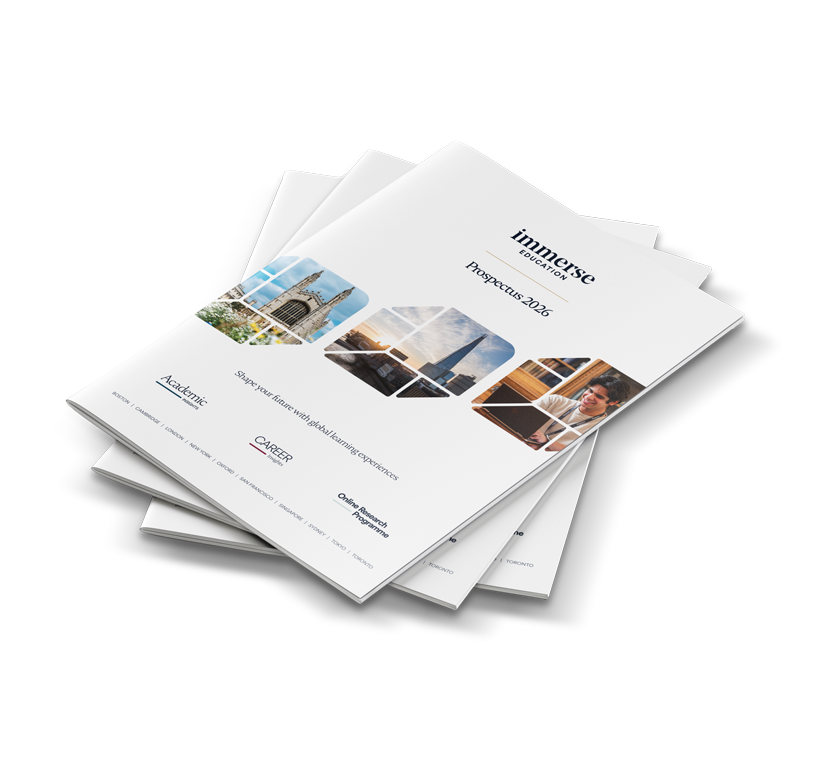
If you want one of the most research-focused online summer courses for high school students, Immerse Education’s Online Research Programme gives you the chance to work with tutors from Oxford, Cambridge, and Ivy League universities. You will explore a subject of your choice in depth, write an academic research paper, and choose between 1:1 or small group formats, with the option to receive college credit from universities in the US and the UK.
The virtual research program is offered in over 20 subjects, including artificial intelligence, chemistry, psychology, economics, computer science, creative writing, philosophy, and more. At the end of the program, you’ll receive a written evaluation from your tutor, an opportunity to publish your research, and an invitation to present at the Immerse Online Symposium. You can find examples of papers Immerse students have worked on here. You can find more details about the application here.
Why it stands out: You experience authentic Oxford-style tutorials online, work closely with leading academics, and produce an assessed research paper, with the option to earn UCAS points or US college credit if you are aged 14 or above.
3. Columbia University: Pre-College Online Program
Location: Online; global participation
Cost/Stipend: ~$2,867-$4,017; no stipend
Acceptance rate/cohort size: Not specified
Dates: 1 week: June 22nd – June 26th | 2 weeks Session A: July 6th – July 17th | 2 weeks Session B: July 20th – July 31st
Application Deadline: Rolling; apply early
Eligibility: Open to rising 9th-12th grade students; open to both domestic and international students; applicants should demonstrate strong academic ability, motivation, and intellectual curiosity; no fixed GPA cutoff
Columbia University’s Pre-College Online Program fits well within the many online summer courses for high school students because it combines college-level learning with small, interactive classes. Taught by instructors affiliated with Columbia University, the programme lets you engage deeply with subjects across the humanities, social sciences, STEM, business, and creative fields while strengthening critical thinking, academic writing, research, collaboration, and problem-solving skills.
Students also receive individualized feedback from instructors, which can support academic growth and future college preparation. The flexible online format allows you to participate from anywhere while maintaining a structured and academically focused schedule.
Why it stands out: The program offers access to a broad selection of college-level subjects in a flexible online format, giving students the opportunity to explore different academic interests while learning alongside a globally diverse cohort.
4. Northwestern Center for Talent Development Virtual Learning Programs

Location: Online; Northwestern University, USA
Cost/Stipend: Varies by course; no fixed fee; financial aid available
Acceptance rate/cohort size: Not specified
Dates: Year-round; courses range from approximately 4 weeks to semester-long
Application Deadline: Rolling; varies by course
Eligibility: Open to students ages 4-18; some courses are open enrollment, while others require test scores or an academic portfolio; open to international students
CTD’s Virtual Learning Programs offer advanced online coursework across a wide range of academic subjects for motivated middle and high school students. You can explore areas such as humanities, mathematics, science, writing, technology, and social sciences through instructor-led courses designed to encourage deeper academic engagement beyond the standard school curriculum. The program typically combines independent coursework with structured assignments, discussions, and feedback from instructors, allowing you to learn flexibly while maintaining academic rigor.
Courses are offered in fully online formats, making them accessible to students from different locations and educational backgrounds. You can expect challenging material that emphasizes analytical thinking, problem-solving, communication, and subject-specific skill development.
Why it stands out: It provides flexible online access to advanced enrichment courses across multiple disciplines, allowing high school students worldwide, including international learners, to pursue rigorous academic exploration with instructor guidance and structured coursework.
5. UC San Diego: Research Scholars (Online)
Location: Online; University of California, San Diego
Cost/Stipend: $3,115 tuition for a 3-week online course
Acceptance rate/cohort size: Not specified
Dates: July 6th – July 23rd
Application Deadline: June 26th
Eligibility: Open to high school students, typically Grades 9-12; some programs include Grades 8-12; designed for students interested in research, STEM, business, or related fields; international students are allowed; some courses may require a minimum GPA, such as ~3.3
The University of California, San Diego Research Scholars program offers high school students the opportunity to explore a range of academic subjects through university-level coursework in a research-focused learning environment. Depending on the track selected, students can engage with disciplines across the humanities, social sciences, natural sciences, engineering, and interdisciplinary studies while participating in small, discussion-based classes led by UC San Diego instructors.
Coursework is designed to mirror college expectations and may include lectures, collaborative projects, readings, presentations, and written assignments. You can expect to build academic skills such as critical thinking, communication, analytical reasoning, and independent learning while gaining exposure to different fields of study. The residential experience also allows students to interact with peers from diverse backgrounds and experience campus life at a major public research university.
Why it stands out: The program combines interdisciplinary academic exploration with a collaborative residential experience, giving high school students early exposure to university-style learning and research across multiple subject areas at a leading U.S. research institution.
6. Wharton Global Youth Program: Essentials of Entrepreneurship
Location: Online; virtual global classroom
Cost/Stipend: ~$329-$4,799 depending on programme; no stipend; paid programme
Acceptance rate/cohort size: Not specified; selective and space-limited
Dates: June 15th – June 26th; 2 weeks | July 6th – July 17th; 2 weeks
Application Deadline: January 28th
Eligibility: Open to high school students in Grades 9-12; designed for students interested in business, leadership, finance, and related fields; requires strong academics, typically ~3.3+ GPA or equivalent, essays, recommendations, and extracurricular involvement; open globally, with possible English proficiency requirements such as TOEFL or IELTS
You can explore philosophical thinking through structured online courses that emphasize ethics, decision-making, and real-world applications in business and society. These programs introduce you to key concepts such as moral reasoning, leadership ethics, and the role of values in economic systems, often through case studies and guided discussions. You will engage with peers in small cohorts, allowing for interactive debates and collaborative analysis of contemporary issues.
You can also gain exposure to how philosophical frameworks intersect with business education, helping you evaluate complex decisions from multiple perspectives. This experience supports your academic development and prepares you for future coursework in philosophy, economics, or public policy.
Why it stands out: It integrates philosophy with business and ethics, offering a practical lens on decision-making while maintaining an interactive, discussion-based format accessible to international high school students.
7. Wake Forest University: Pre-College Online
Location: Hosted online; accessible worldwide
Cost/Stipend: $1,795 per course; need-based scholarships available
Acceptance rate/cohort size: Not specified
Dates: 1-4 weeks; offered year-round
Application Deadline: Rolling; no fixed deadline
Eligibility: Open to students aged 13+; high school or equivalent; gap year students up to one year post-high school may also apply; international students are eligible; no transcripts or recommendation letters required
You can explore philosophy through online courses offered by the Rice University Precollege Program, which introduces topics such as ethics, logic, and philosophical reasoning. The program is designed to mirror college-level coursework, allowing you to engage with structured lectures, readings, and assignments. You will interact with instructors and peers in a virtual classroom setting while developing critical thinking and argumentation skills.
Coursework emphasizes analysis of philosophical texts and real-world ethical questions, helping you build a foundation relevant to humanities or social science majors. You can also gain insight into academic expectations at a selective university. This experience may support your college applications by demonstrating intellectual curiosity and readiness for advanced study.
Why it stands out: The program offers flexible, fully online courses across a range of subjects, allowing high school students to experience college-level learning from a selective university without the need for travel or relocation.
8. Cornell University: Pre-College Online
Location: Fully online; hosted by Cornell University
Cost/Stipend: Approx. $5,820-$7,760 for 3-4 credits over 3 weeks; higher for longer sessions; no stipend
Acceptance rate/cohort size: Not specified
Dates: 3-week sessions: June 1st – July 31st | 6-week session: June 22nd – July 31st
Application Deadline: Ranges from April 28th to June 2nd, depending on session
Eligibility: Open to high school juniors and seniors, typically grades 11-12; open to U.S. and international students, with some country restrictions due to regulations
Through Cornell Precollege Studies, you can explore a wide range of academic subjects through Cornell’s online pre-college courses, including areas such as business, engineering, psychology, architecture, creative writing, computer science, the humanities, and the social sciences.
The program is designed to provide a college-level learning experience, allowing you to engage with lectures, readings, discussions, projects, and written assignments similar to those found in undergraduate courses. Depending on the course, you may receive feedback on assignments and participate in collaborative discussions with students from different backgrounds.
Why it stands out: The program stands out for offering authentic Cornell coursework across a broad range of disciplines in a flexible online format, giving high school students the opportunity to experience university-level academics while exploring different fields of study.
9. Yale Young Global Scholars (YYGS) – Online Track
Location: Online
Cost/Stipend: ~$7,000 USD; financial aid available up to full tuition
Acceptance rate/cohort size: ~1,900 students selected from 10,000+ applicants; approximately 15-20%
Dates: 2 weeks long; sessions held June-August
Application Deadline: October 15th early; January 7th regular
Eligibility: Aimed at students aged 16-18, typically high school sophomores or juniors; open to international students
Yale Young Global Scholars Online Track is one of the most globally focused online summer courses for high school students, offering an interdisciplinary academic experience across humanities, social sciences, STEM, international affairs, literature, and innovation-focused studies. Through lectures, seminars, discussions, and collaborative projects, students engage with college-level material while exploring global issues from multiple academic perspectives.
The program encourages analytical thinking, research, communication, and teamwork through small discussion sections led by Yale-affiliated instructors and teaching staff. Participants also interact with a globally diverse cohort, allowing them to exchange ideas and perspectives in an international learning environment.
Why it stands out: YYGS combines interdisciplinary learning with a globally diverse student community, giving participants exposure to multiple academic fields while experiencing collaborative, discussion-based learning in a university-style environment.
10. UC Davis Summer High School Programs
Location: Online
Cost/Stipend: Paid programme; no stipend; no financial aid offered
Acceptance rate/cohort size: Not specified
Dates: Multiple sessions from late June to July; typically 1-2 weeks long
Application Deadline: Not specified; rolling enrolment
Eligibility: High school students ages ~14-18; open to domestic and likely international students
You can explore a wide range of academic subjects through college-level coursework designed for high school students seeking early exposure to university academics. The program offers courses across disciplines such as STEM, humanities, social sciences, business, arts, and communication, allowing you to pursue topics aligned with your interests and future goals. You can engage with university instructors while experiencing an academic environment similar to undergraduate study, including lectures, assignments, discussions, and collaborative learning.
Coursework often emphasizes critical thinking, problem-solving, research, and communication skills that are valuable across different fields of study. The program also introduces you to the pace and expectations of college academics, helping you build confidence in areas such as independent learning, time management, and analytical writing.
Why it stands out: It combines flexible summer learning with access to a broad selection of university-level subjects, allowing you to explore different academic interests while experiencing the structure and expectations of a real college environment.
11. Iowa Young Writers’ Studio (Online)
Location: Online; hosted by the University of Iowa, USA
Cost/Stipend: Not specified on the official page; no stipend mentioned
Acceptance rate/cohort size: Not specified
Dates: 6 weeks; summer session: June 14th – July 26th
Application Deadline: April 20th for the summer session
Eligibility: Open to high school students in grades 9-12, including incoming 9th graders for summer; requires English proficiency and good academic standing, approximately GPA 3.0+; open to U.S. and international students
You can explore a focused, discussion-based curriculum in philosophy through a structured online format guided by instructors affiliated with the University of Iowa. The program introduces you to key philosophical questions, including ethics, identity, and knowledge, while helping you develop analytical reading and writing skills. You can expect a mix of synchronous workshops, readings, and written assignments that emphasize critical thinking and argument construction.
The course encourages you to engage with diverse perspectives and articulate your ideas clearly in both written and discussion formats. This experience can support your academic development by strengthening skills relevant to humanities coursework and college-level writing. It also provides exposure to seminar-style learning commonly encountered in undergraduate programs.
Why it stands out: Its emphasis on intensive, discussion-driven learning in a fully online format allows you to engage deeply with philosophical ideas while building writing and critical thinking skills aligned with college-level humanities study.
12. Smith College: Sustainable Futures Online
Location: Online
Cost/Stipend: Tuition approx. $4,985 + deposit ~$1,246 + application fee; $50 for domestic students, $75 for international students; no stipend
Acceptance rate/cohort size: Not specified; selective, limited enrolment
Dates: July 19th – August 1st; approximately 2 weeks
Application Deadline: Priority: February 1st | International: March 1st | Final domestic: May 1st; rolling until full
Eligibility: Aimed at high school students entering grades 9-12; open to international students; selective admission based on academics, essays, and recommendations
You can explore the environmental and social dimensions of sustainability through a two-week residential program focused on agriculture and climate systems. The curriculum combines classroom discussions with field-based learning, where you examine food systems, environmental change, and sustainable practices across global contexts. You engage in hands-on activities such as working in organic gardens, studying soil systems, and visiting local farms and community-based sustainability projects.
The program also incorporates interdisciplinary elements, including science, history, and cultural perspectives on food and land use. Through guided projects and discussions, you develop a clearer understanding of how sustainability connects to policy, community action, and environmental stewardship, helping you build academic interests relevant to college-level environmental studies.
Why it stands out: The program emphasizes hands-on agricultural learning and real-world sustainability practices, combining fieldwork with interdisciplinary study to connect environmental science, community engagement, and global food systems in a structured pre-college setting.
13. Tufts University: Pre-College Virtual Intensives
Location: Online
Cost/Stipend: Paid programme; varies by course; financial aid available; no stipend
Acceptance rate/cohort size: Not specified; competitive, rolling admission
Dates: June-August; 1-6 weeks depending on programme
Application Deadline: Around May 1st; rolling admissions
Eligibility: High school students in grades 10-12, ages ~15-19; international students allowed, with visa support mainly via Tufts College Experience
Tufts University’s High School Summer Programs allow students to explore a wide range of academic subjects through college-level coursework in areas such as humanities, social sciences, STEM, international relations, arts, and more. The program is designed to introduce high school students to the pace and expectations of university academics through lectures, discussions, collaborative projects, and independent assignments.
Courses are taught by Tufts faculty and experienced instructors, giving students exposure to undergraduate-style learning environments. Depending on the format, students can study on campus or online while engaging with peers from different backgrounds and academic interests. The program also encourages interdisciplinary learning, helping students connect ideas across subjects and develop skills in critical thinking, communication, and research.
Why it stands out: It offers a broad selection of subjects across multiple disciplines in flexible on-campus and online formats, allowing students to experience college-level learning at Tufts University while exploring different academic interests.
14. Emory University: Pre-College Online
Location: Online
Cost/Stipend: Approx. $5,510 for 2-week residential; no stipend; limited aid available, but not for international students
Acceptance rate/cohort size: ~100-150 students per session; acceptance rate not specified
Dates: 2 weeks long; June-July sessions
Application Deadline: May 1st; rolling admissions
Eligibility: Open to Grade 10-11 students aged 15+; GPA ≥ 3.0; international students can apply, but financial aid is not available
Emory Pre-College Program offers high school students the opportunity to explore a wide range of college-level subjects across the humanities, social sciences, natural sciences, business, and the arts. Through courses taught by Emory faculty, you can engage with university-style lectures, discussions, projects, and assignments while experiencing the academic expectations of a selective college environment. The program encourages students to deepen existing interests or explore new academic areas through topics such as psychology, creative writing, economics, public health, computer science, and more.
Coursework is designed to strengthen skills in critical thinking, communication, research, and collaboration, while also helping students become more familiar with college academics and classroom culture. By participating in the program, you can gain exposure to interdisciplinary learning and better understand how different fields connect to potential college majors and future careers.
Why it stands out: The program stands out for its broad selection of subjects and flexible academic options, allowing students to experience college-level learning across multiple disciplines while engaging with Emory’s university environment and faculty-led instruction
15. Johns Hopkins Center for Talented Youth (CTY) Online
Location: Online; accessible worldwide
Cost/Stipend: Varies by course; financial aid available; small registration fee of approximately $15
Acceptance rate/cohort size: Not specified
Dates: Year-round; flexible start dates depending on the course
Application Deadline: Rolling; varies by course
Eligibility: Open to academically advanced students in Grades 2-12; requires CTY qualification, often via test scores; open to international students
You can explore advanced academic subjects through structured online courses designed by Johns Hopkins Center for Talented Youth, including offerings that intersect with philosophy, ethics, and critical thinking. The program provides instructor-led and self-paced formats, allowing you to engage with rigorous material while receiving feedback from qualified educators. You will complete assignments, participate in discussions, and develop analytical and writing skills that align with college-level expectations.
Courses are designed to deepen subject understanding while encouraging independent thought and intellectual curiosity. The flexible scheduling makes it possible to balance coursework with school commitments. Participation can help demonstrate academic initiative and readiness for advanced study on college applications.
Why it stands out: Its flexible, year-round online format combined with eligibility for international students makes it widely accessible, while its academically rigorous curriculum aligns closely with advanced high school and early college-level expectations.
From Virtual Classes to Stronger Applications
A good online course should leave you with more than notes; it should help you think, question, write, and work more independently.
The 15 online summer courses for high school students covered in this guide can give you that practice through projects, seminars, feedback, and academic exploration.
By the end, you may understand which subjects suit you, what university-level study feels like, and how to present your interests clearly.
For application-focused guidance, turn to our University Preparation blogs for personal statement advice, interview support, subject planning, and supercurricular ideas.