
 Русский (RU)
 Українська (UK)
 Türkçe (TR)
 Italiano (IT)
 Français (FR)
 Português (PT)
 中文 (中国) (ZH)
 Español (ES)
 日本語 (JA)
 ไทย (TH)
 Deutsch (DE)
 Ελληνικά (EL)
 Polski (PL)
 Bahasa Indonesia (ID)
 Nederlands (NL)
 العربية (AR)
 한국어 (KO)

If you’re a high school student thinking about college, pre-college programs in Australia for high school students can be one of the best ways to explore your academic interests before submitting university applications. These programmes let you experience university-style learning, challenge yourself with advanced coursework, and discover what studying your chosen subject is really like while building skills that can strengthen your future academic journey.
Australia has become an increasingly popular destination for pre-college education thanks to its globally recognised universities, innovative teaching approaches, and welcoming international student community. Imagine spending your summer studying engineering in Melbourne, marine science in Queensland, business in Sydney, or medicine at a leading university while experiencing life on a university campus.
How do you choose the right pre-college programs in Australia for high school students?
For high school students, pre-college programs also offer a valuable opportunity to explore potential majors before committing to a degree. Along the way, students develop valuable skills in critical thinking, communication, research, collaboration, and independent learning.
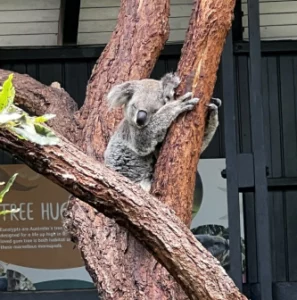
Beyond academics, studying in Australia offers a unique cultural experience. Whether you’re exploring iconic beaches, visiting wildlife reserves, discovering Indigenous Australian culture, or experiencing life in one of the country’s world-class university cities, these experiences help develop independence, confidence, and a broader global perspective.
Of course, not all pre-college programs offer the same level of academic rigour or student support. Some provide only introductory courses, while others emphasise university-level instruction, hands-on projects, mentorship, and meaningful interaction with faculty and researchers. Finding the right program can make a significant difference in both your learning experience and your preparation for higher education.
To help you find the best opportunities, we’ve compiled a list of 15 Pre-College Programs in Australia for High School Students, selected for their academic quality, immersive university experiences, and opportunities for cultural exploration.
For related options, consider the online research program.
Key Takeaways
- Costs range from free, as with the ECU IGNIS Mission Program and University of Melbourne’s RISE, to AUD $550 for UQ’s FEAST program at Gatton.
- Several free programs are restricted to specific groups, including RISE for First Nations students and UTS U@Uni Academy for students from partner schools in South West and Western Sydney.
- Program length ranges from two days, as with Queensland Biology Schools at UQ, to a two-year non-ATAR pathway, as with UTS U@Uni Academy.
- Most programs on this list are restricted to Australian domestic students, with several explicitly noting they are not designed for international applicants.
- Several programs offer direct credit or pathway benefits, including START QUT’s STEM Intensive, which can provide advanced standing toward a future QUT degree.
- The QIMR Berghofer High School Work Experience Programme stands out as highly selective, receiving hundreds of applications annually for a small number of laboratory placements.
- Immerse Education’s Sydney Summer School is one of the few options open to students worldwide aged 13 to 18, combining small group instruction across more than 20 subjects with a personal project and certificate of completion.
15 Pre-College Programs in Australia for High School Students
1. Immerse Education’s Sydney Summer School
Location: Sydney
Cost: Varies; summer school scholarship available through our bursary programme
Application Deadline: Multiple summer cohorts; rolling admissions
Program Dates: 2 weeks during the summer
Eligibility: Students across the globe aged 13-18 currently enrolled in middle or high school; open to international students
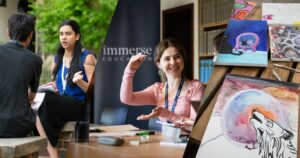
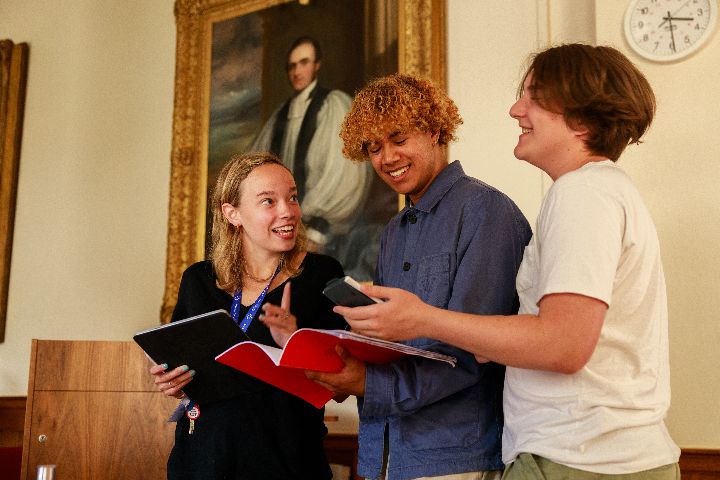
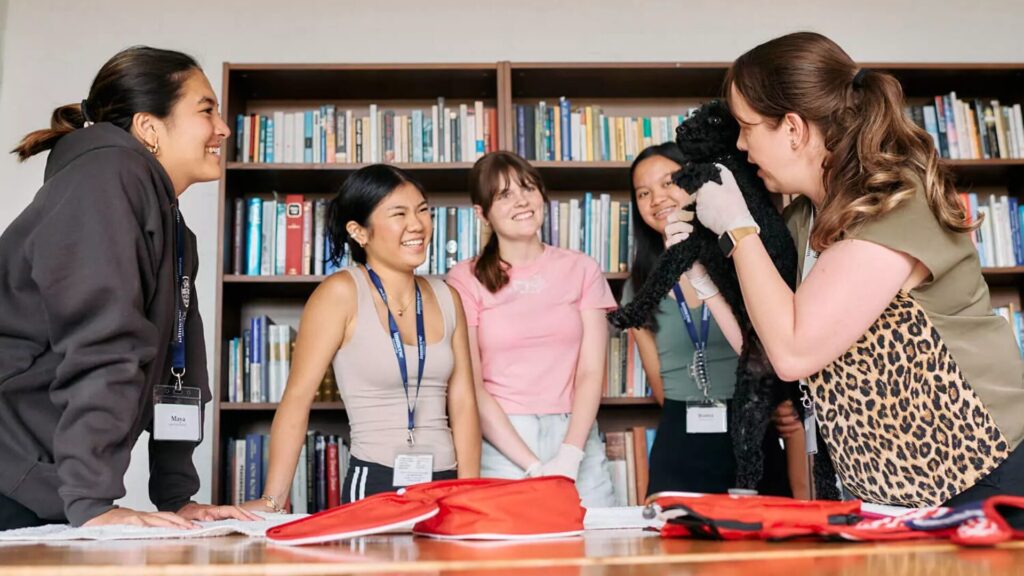
The Academic Insights Program lets high school students experience university life firsthand. You will live on campus and study in small groups of 7-10, and learn from tutors from eminent top universities like Oxford and Cambridge. You can explore a wide range of subjects, spanning over 20 options, including Architecture, AI, Business Management, Computer Science, Economics, Medicine, Philosophy, and more. The courses are experiential and focus on hands-on learning.
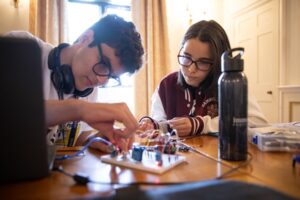
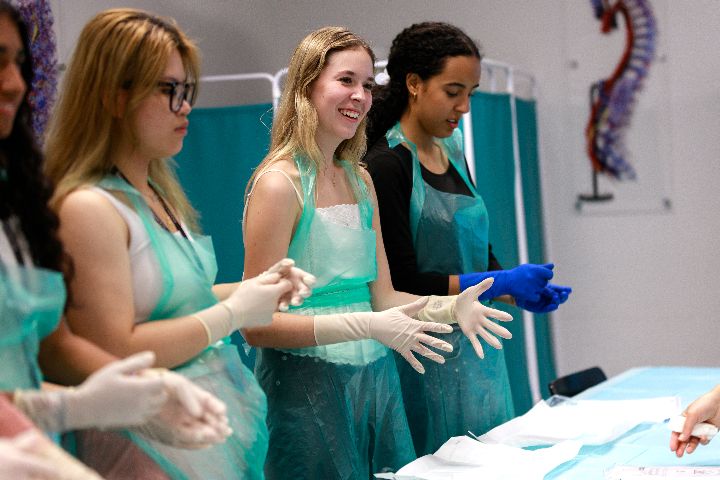
You may find yourself conducting dissections in medicine, designing a robotic arm in engineering, participating in a moot court for law, or building creative writing portfolios and business case studies. By the end of the program, you’ll complete a personal project, receive written feedback, and receive a certificate of completion. You can find more details about the application here.
Why it stands out: You’ll get an early start at university life and academics because the program includes an independent project, discussion-based classes, and living at a college campus.
2. FEAST (Future Experiences in Agriculture, Science & Technology) – UQ Gatton
Location: The University of Queensland, Gatton Campus, Queensland, Australia
Cost/Stipend: AUD $550 including GST; fee waivers and travel bursaries are available for eligible students
Acceptance Rate/Cohort Size: Selective; spaces are limited and students may only attend once
Dates: June 28th – July 1st
Application Deadline: Applications close April 27th
Eligibility: Domestic students in Years 10, 11, and 12; not open to international students
UQ’s FEAST is a four-day residential program and one of the more hands-on pre-college programs in Australia for high school students interested in agriculture, animal science, plant science, food science, and environmental challenges. You live in UQ’s Halls of Residence at Gatton and take part in interactive science activities, workshops, tours, and sessions with UQ students, staff, and industry professionals.
The program introduces you to university life while helping you explore global issues such as climate change, biosecurity, food security, and wildlife conservation. You also learn about UQ’s science study options and connect with peers who share similar academic interests. Because the program combines residential campus life with practical science workshops, it can help you decide whether agriculture, environmental science, animal science, or food-related fields suit your future plans.
Why it stands out: You experience residential university life at UQ Gatton while exploring applied science fields through hands-on workshops and industry-linked sessions.
3. Queensland Biology Schools – University of Queensland
Location: The University of Queensland, St Lucia Campus, Brisbane, Australia
Cost/Stipend: AUD $165 including GST; no stipend listed
Acceptance Rate/Cohort Size: Selective; limited places available
Dates: June 29th – June 30th
Application Deadline: Applications close May 24th
Eligibility: Year 12 students; interstate and international applicants are welcome
The UQ Year 12 Queensland Biology Winter School is a two-day non-residential program focused on contemporary biology topics. You attend interactive lectures, practicals, and tutorials aligned with QCE and IB Biology content, including genetics, phylogenetics, evolutionary biology, biochemistry, and related disciplines. The program helps you build skills in scientific literacy, communication, and biological data interpretation, which are useful for research investigations and extended essays.
You learn from UQ researchers, teaching specialists, and current students while studying alongside other biology-focused students. Because it takes place on UQ’s St Lucia campus, it gives you a short but focused introduction to university-style science learning.
Why it stands out: You explore advanced biology topics through practical university-style learning while building research and data interpretation skills.
4. Curtin University Focus on Mining Program
Location: Curtin University, Western Australia, Australia
Cost/Stipend: Fully funded; no stipend listed
Acceptance Rate/Cohort Size: Selective; around 25 students are selected per camp
Dates: Five-day residential camp; exact dates vary by annual intake
Application Deadline: Varies by program cycle
Eligibility: Year 11 and Year 12 students interested in STEM and mining-related pathways; primarily designed for students in Western Australia
Curtin University’s Focus on Mining Camp introduces you to Western Australia’s mining and resources sector through a five-day residential experience. You tour active mine sites, participate in hands-on workshops, and meet industry professionals working across mining, geoscience, and resources.
The program helps you understand how science, engineering, technology, and environmental considerations connect within real mining operations. You also learn about study pathways at Curtin and career options linked to the Western Australian School of Mines. Because the camp combines campus learning with industry exposure, it can help you decide whether mining engineering, geoscience, environmental science, or related STEM fields fit your future plans.
Why it stands out: You gain fully funded residential exposure to WA’s resources sector through mine-site visits, practical workshops, and industry connections.
5. UQ Institute of Modern Languages (IML) – Summer High School Program
Location: The University of Queensland, St Lucia Campus, Brisbane, Australia; online options available for some year levels
Cost/Stipend: Tuition-based; no stipend listed
Acceptance Rate/Cohort Size: Not publicly available
Dates: January 12th – January 16th
Application Deadline: Enrolment closing date varies by language and cohort
Eligibility: High school students worldwide in Years 7-12; language levels and delivery modes vary by year level
The UQ Institute of Modern Languages High School Program is a five-day language enrichment program for students who want to begin or continue language study. You can study languages such as French, German, Japanese, or Spanish depending on your year level and course availability. The program focuses on improving fluency, confidence, and communication skills in an assessment-free environment.
You learn from experienced language teachers and engage in activities designed to build listening, speaking, reading, and writing skills. Because it is connected to UQ’s Institute of Modern Languages, it can help you explore how language study supports future academic pathways in international relations, global studies, business, humanities, or travel-focused fields.
Why it stands out: You strengthen language skills through a university-linked enrichment program with flexible online and campus-based options.
6. Edith Cowan University (ECU) IGNIS Mission Student Interns Program
Location: Edith Cowan University, Joondalup Campus, Western Australia
Cost/Stipend: Free for participating schools and students; no stipend listed
Acceptance Rate/Cohort Size: Selective; schools apply first, and selected schools nominate 4-5 students
Dates: Five full-day activities across the calendar year
Application Deadline: April 7th
Eligibility: Year 8-11 secondary school students from Western Australia with an interest in space and engineering; not designed for international students
ECU’s IGNIS Mission Student Interns Program introduces you to space, engineering, and STEM problem-solving through a structured outreach program connected to ECU’s role in the IGNIS Mission. You work with ECU engineering experts and space industry professionals while learning how STEM is used to investigate real-world challenges. The program is linked to research involving lightning events, bushfire ignition, airborne flight campaigns, satellite data, and future deep-space mission work.
You build skills in critical thinking, technical analysis, teamwork, communication, and collaborative problem-solving through five full-day activities at ECU Joondalup. Because the program connects school students with university engineering staff and space-sector professionals, it gives you an early view of how engineering research is applied beyond the classroom.
Why it stands out: You gain free, structured exposure to space engineering and real STEM research through ECU’s connection to the IGNIS Mission.
7. UOW Summer Learning Labs
Location: University of Wollongong, NSW
Cost: $470
Dates: January 5-23
Application Deadline: December
Eligibility: High-achieving students around the world (Years 7-12, varying by program)
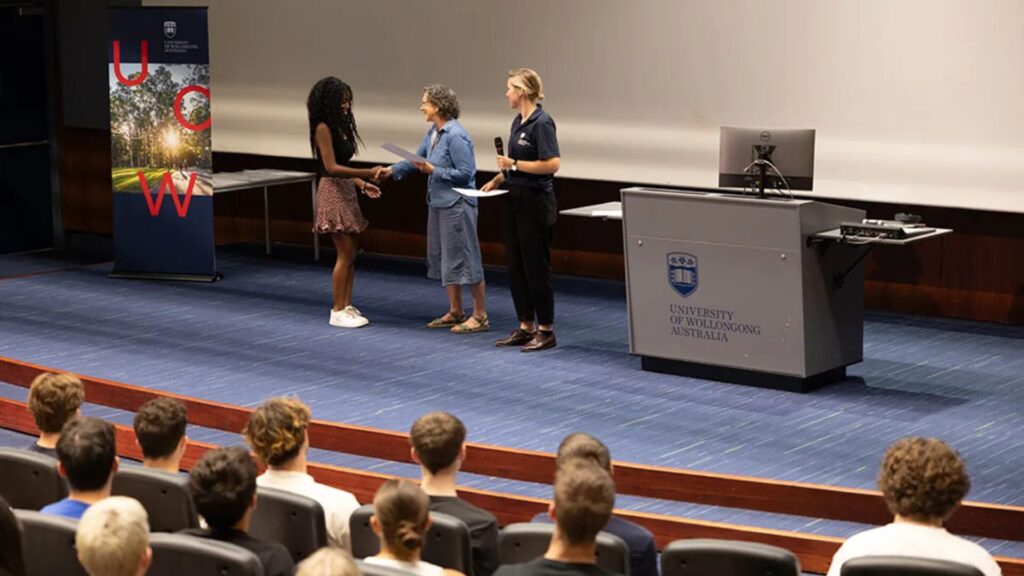
Learning Labs provide hands-on workshops across STEM, humanities, arts, and social sciences. You learn from UOW academics and researchers in small-group classes. Workshops may include robotics, creative writing, biomedical science, engineering, coding, psychology, or design.
The program balances academic challenge with accessible instruction for younger learners. Students also receive guidance on pathways into later high-school subjects. Learning Labs offer an engaging way for students to experience university-level thinking well before senior school.
Why it stands out: It lets you study first-year university subjects early, helping you earn credit and experience university-level academics.
8. UQ Young ChangeMakers Program (Residential)
Location: The University of Queensland, St Lucia Campus, Brisbane, Australia
Cost/Stipend: AUD $520; fee waivers available for eligible students experiencing financial hardship; no stipend listed
Acceptance Rate/Cohort Size: Selective; cohort size and acceptance rate are not publicly available
Dates: November 29th – December 2nd
Application Deadline: September 20th
Eligibility: Year 11 students with big ideas and ambitions who are interested in university study; primarily designed for Australian students
UQ’s Young ChangeMakers Program is a four-day, three-night residential experience for Year 11 students interested in leadership, innovation, and real-world problem-solving. You stay on UQ’s St Lucia campus and take part in faculty workshops, keynote sessions, cultural activities, sporting activities, and social events.
The program helps you think critically about local and global issues such as climate change and international conflict while developing communication and leadership skills. You also connect with UQ academics, student mentors, and other students interested in creating change. Because you live on campus and participate in university-style workshops, the program gives you a practical introduction to academic and student life at UQ.
Why it stands out: You experience residential university life at UQ while building leadership and critical-thinking skills through interdisciplinary workshops.
9. Bond University National High School Mooting Competition
Location: Bond University, Gold Coast, Queensland, Australia
Cost/Stipend: Cost information is not publicly listed; scholarship opportunities are available for selected participants entering Bond’s Bachelor of Laws pathway
Acceptance Rate/Cohort Size: Selective school-based competition; acceptance rate is not publicly available
Dates: Competition dates vary annually; the grand final is held on campus
Application Deadline: School registrations for the current cycle are closed; future registration timelines are announced by Bond University
Eligibility: Local year 11 and Year 12 students; schools usually register teams of two or three students
Bond University’s National High School Mooting Competition gives you a practical introduction to law, advocacy, and university-style legal reasoning. You work in a team to prepare arguments based on a fictional legal problem and present them before moot court judges.
The competition helps you build public speaking, legal analysis, confidence, and quick-thinking skills by requiring you to respond to judges’ questions during your submissions. You are assessed on advocacy rather than simply on which side “wins,” which mirrors how communication and argumentation are developed in legal education. Because the competition is hosted by Bond’s Faculty of Law, it gives you early exposure to law school-style learning and legal practice.
Why it stands out: You experience courtroom-style advocacy and legal reasoning through a national competition hosted by Bond University’s Faculty of Law.
10. Queensland Mathematics Summer School (QMSS) – University of Queensland
Location: The University of Queensland, St Lucia Campus, Brisbane, Australia
Cost/Stipend: Cost information is not publicly listed; no stipend listed
Acceptance Rate/Cohort Size: Selective; cohort size is not publicly available for the current cycle
Dates: January 19th – January 21st
Application Deadline: Applications close October 10th
Eligibility: Students from around the globe commencing Year 11 who have chosen QCE Mathematical Methods, Specialist Mathematics, or IB Mathematics; designed for students with strong interest in mathematics
UQ’s Queensland Mathematics Summer School is a multi-day non-residential program hosted by the School of Mathematics and Physics. You explore advanced mathematical ideas and problem-solving approaches beyond the standard school curriculum. The program uses discussions and workshops to help you develop abstract reasoning, mathematical communication, and new ways of thinking.
You also learn from UQ academics and tutors while studying alongside other students with strong interest in senior mathematics. Because the program takes place on UQ’s St Lucia campus, it gives you a focused introduction to university-style mathematical learning before senior school.
Why it stands out: You explore advanced mathematics through UQ-led workshops designed for students preparing for senior-level maths.
11. University of Melbourne Residential Indigenous Science Experience (RISE)
Location: University of Melbourne, Melbourne, Victoria, Australia
Cost/Stipend: Free for selected participants; travel and accommodation support may be provided
Acceptance Rate/Cohort Size: Selective; cohort size and acceptance rate are not publicly available
Dates: Annual week-long residential camp; exact dates vary by cycle
Application Deadline: Application timelines vary annually
Eligibility: First Nations students in Year 9 and Year 10; designed for Aboriginal and Torres Strait Islander students in Australia
RISE is a week-long residential STEM program hosted by the University of Melbourne for First Nations students in Years 9 and 10. You explore areas such as chemistry, geology, genetics, physics, mathematics, and broader STEM pathways through workshops, special presentations, and industry visits. The program is designed to connect hands-on science learning with First Nations knowledges, community, and future study pathways.
You also meet university staff, current students, researchers, and First Nations role models while experiencing campus life in a culturally supportive environment. Because RISE combines residential university exposure with practical STEM activities, it can help you imagine what studying science at university could look like.
Why it stands out: You experience university STEM learning in a culturally supportive residential setting designed specifically for First Nations students.
12. UTS U@Uni Academy – Summer School
Location: University of Technology Sydney, Sydney, New South Wales, Australia
Cost/Stipend: Free
Acceptance Rate/Cohort Size: Selective; offered through UTS partner schools only
Dates: Two-year program beginning in Year 11
Application Deadline: Not open to individual applications; students participate through eligible partner schools
Eligibility: Year 11 students from UTS partner schools, primarily in South West and Western Sydney; not open to individual enrolments
UTS U@Uni Academy is a two-year, non-ATAR pathway program designed to support students from partner schools as they prepare for university. You participate in on-campus experiences, academic support, mentoring, tutoring, and activities focused on 21st-century skills.
The program helps you build capabilities such as communication, collaboration, critical thinking, and university readiness while receiving structured transition support. Successful completion can lead to an offer to study at UTS through this alternative pathway. Because it combines access support with real campus experiences, the program gives you a practical understanding of university expectations before you finish high school.
Why it stands out: You receive long-term university preparation and a non-ATAR pathway to UTS through a free, partner-school-based program.
13. START QUT – STEM Intensive
Location: QUT Gardens Point Campus, Brisbane, Australia
Cost/Stipend: Free; no stipend listed
Acceptance Rate/Cohort Size: Limited places; students are enrolled on a first-come basis after successful application
Dates: January 11th – January 22nd
Application Deadline: Applications open August 1st and close October 31st
Eligibility: High-achieving Year 11 students entering Year 12; eligibility depends on the selected STEM unit; international students are welcome to apply
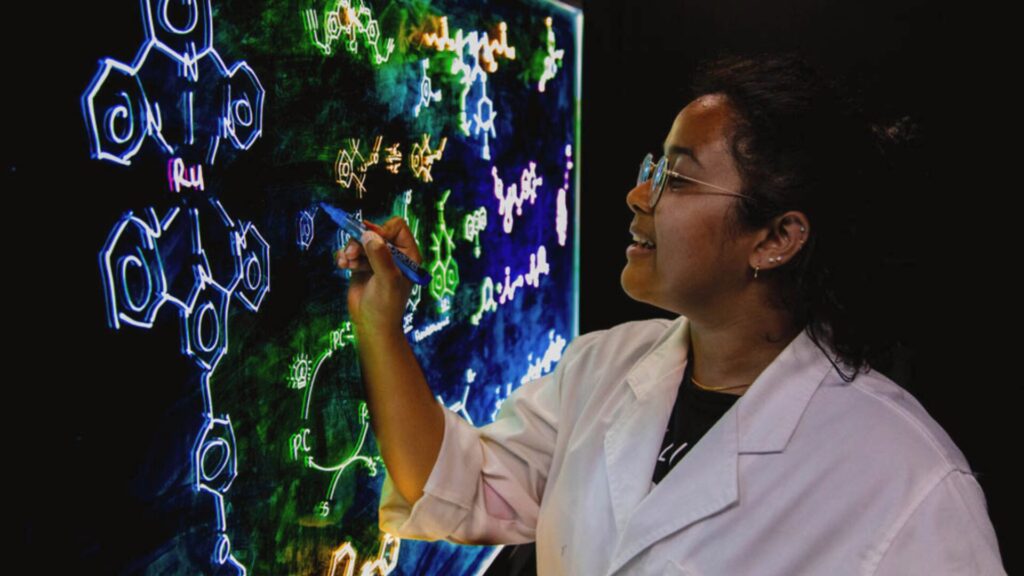
QUT’s START QUT STEM Intensive lets you complete a first-year university STEM unit during the summer holidays. You can choose from units such as Design of Computer Systems, Chemical Explorations, and Engineering Design and Professional Practice, depending on availability and eligibility. The program includes lectures, discussions, exercises, lab experiments, and assessment, with an orientation before classes begin.
You learn from QUT academics with support from current undergraduate students, giving you a direct introduction to university-level STEM study. Successful completion may also provide advanced standing or credit toward a future QUT degree, depending on the course pathway.
Why it stands out: You complete a real first-year QUT STEM unit for free while gaining early exposure to university assessment and campus learning.
14. Feed Your Mind, Feed the World Program at the University of Tasmania
Location: North West Tasmania, Australia
Cost/Stipend: Free; interstate travel support of up to AUD $400 may be available for selected students
Acceptance Rate/Cohort Size: Selective; up to 12 interstate travel-support places available
Dates: December 2nd – December 4th
Application Deadline: Applications for the latest cycle are closed
Eligibility: Current Year 11 and Year 12 students from around the world; designed for students interested in agricultural science
Feed Your Mind, Feed the World is a three-day agriculture and science experience hosted by the Tasmanian Institute of Agriculture at the University of Tasmania. You explore how agricultural science addresses real-world challenges while learning about career pathways linked to food, farming, sustainability, and research. The program includes visits to research farms and opportunities to observe and interact with diverse agricultural industries in North West Tasmania.
You also receive guidance from TIA staff and learn about studying agricultural science at the University of Tasmania. Because the program combines field exposure with university-linked science learning, it can help you decide whether agriculture, food systems, or environmental science fits your future plans.
Why it stands out: You explore agricultural science through field visits, research-farm exposure, and university-led guidance in Tasmania.
15. QIMR Berghofer High School Work Experience Programme
Location: QIMR Berghofer Medical Research Institute, Brisbane, Australia
Cost/Stipend: Free; no stipend listed
Acceptance Rate/Cohort Size: Highly selective; the program receives hundreds of applications each year
Dates: September 21st – September 23rd
Application Deadline: Applications open February 3rd and close August 3rd
Eligibility: Australian Year 11 or 12 students working toward an ATAR or IB Diploma, studying at least two science subjects, and achieving an average grade of B/high achievement or better; priority is given to students outside South East Queensland
QIMR Berghofer’s High School Work Experience program introduces you to medical research through a three-day placement during the school holidays. You begin with an introductory laboratory training day in a purpose-built education lab. You then spend time with a scientist in a working research laboratory across areas such as cancer, infection and inflammation, brain and mental health, or population health.
The application process also asks you to research QIMR Berghofer’s work and explain how it connects to your future study plans. Because the program places you inside a real medical research institute, it gives you a practical view of how science careers operate beyond school laboratories.
Why it stands out: You gain free, selective work experience inside a working medical research institute with direct laboratory exposure.
Frequently Asked Questions: Pre-College Programs in Australia for High School Students
What is a pre-college program in Australia for high school students?
A pre-college program gives high school students an early look at university-level academics in Australia, often through workshops, lab sessions, or residential campus experiences. Programs span subjects ranging from agriculture and mining to law and mathematics, hosted at universities including the University of Queensland, Curtin University, and the University of Melbourne. Most run between two days and two weeks, though some extend over multiple years. Many conclude with a presentation, certificate, or pathway toward future enrollment.
Do I need to be an Australian resident to apply?
It depends on the program. Many free or low-cost options, including UQ’s FEAST and Curtin University’s Focus on Mining Program, are designed primarily for Australian domestic students. Immerse Education’s Sydney Summer School is open to students worldwide aged 13 to 18, making it one of the more accessible options for international applicants.
How much do pre-college programs in Australia cost?
Costs range from free to AUD $550 for UQ’s FEAST program. Free options include the ECU IGNIS Mission Program and University of Melbourne’s RISE, both restricted to specific student groups. Immerse Education’s Sydney Summer School offers bursary support that can help reduce costs for eligible students.
Can international students attend these programs?
A smaller set of programs are open internationally, including Queensland Biology Schools at UQ, which welcomes interstate and international applicants. Many free, government or university funded programs, including UTS U@Uni Academy and RISE, are restricted to Australian domestic students or specific communities. Immerse Education’s Sydney Summer School is open to students worldwide aged 13 to 18.
What age do I need to be to apply?
Age and grade requirements vary by program, generally falling between Year 8 and Year 12. ECU’s IGNIS Mission Program accepts students from Year 8, while most university-run programs target Year 11 or 12 students. Immerse Education’s Sydney Summer School accepts students aged 13 to 18 from anywhere in the world.
Will I get hands-on lab or fieldwork experience?
Yes, several programs include direct laboratory or fieldwork components. QIMR Berghofer’s High School Work Experience Programme places students inside a working medical research lab, and Curtin University’s Focus on Mining Program includes tours of active mine sites. Immerse Education’s Sydney Summer School takes a similarly hands-on approach, with students completing a personal project depending on their chosen subject.
How do these programs help with college applications?
Participating in a pre-college program demonstrates initiative and direct engagement with university-level material. Programs like START QUT’s STEM Intensive can lead to advanced standing toward a future degree, giving students a concrete academic credential. Immerse Education’s Sydney Summer School provides a completed personal project and written feedback that students can reference directly in personal statements and interviews.
Make Australia Your First Global Step
Choosing where and what to study can feel easier once you have tested real academic settings and seen different subjects in action.
The 15 Pre-College Programs in Australia for High School Students listed here show routes through science, law, mathematics, mining, agriculture, and research.
Some programmes offer residential campus life, while others focus on lab placements, fieldwork, mentorship, industry visits, or credit-bearing university study.
Ready to turn this first step into a bigger plan? Visit our Study Abroad blogs for destination guides, application advice, and next steps.