


 Русский (RU)
 Українська (UK)
 Türkçe (TR)
 Italiano (IT)
 Français (FR)
 Português (PT)
 中文 (中国) (ZH)
 Español (ES)
 日本語 (JA)
 ไทย (TH)
 Deutsch (DE)
 Ελληνικά (EL)
 Polski (PL)
 Bahasa Indonesia (ID)
 Nederlands (NL)
 العربية (AR)
 한국어 (KO)
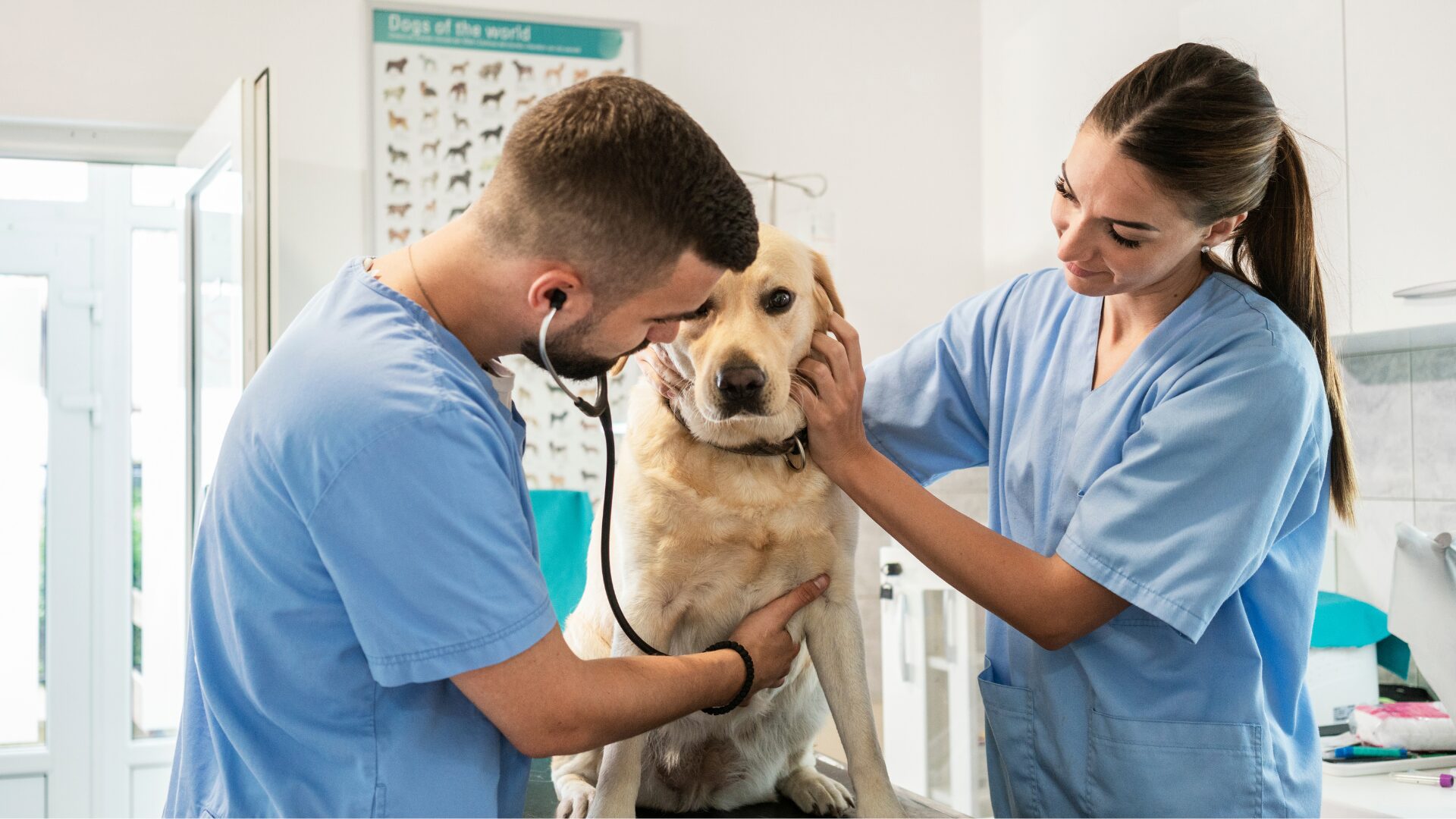
Choosing the right age for a Veterinary Studies Summer School helps you explore animal health in a way that feels challenging, supportive, and exciting.
At Immerse Education, our Veterinary Studies summer school is designed for participants aged 13-18, with two age ranges available: 13-15 and 16-18, and is currently offered as a residential experience in Sydney, Australia.
In this article, we’ll explore how the experience can support you at different ages, what you can expect, and the topics you may encounter.
Let’s look at how age shapes your Veterinary Studies learning experience.
Key Takeaways
- Immerse Education’s Veterinary Studies summer school is designed for participants aged 13-18, with two age ranges available: 13-15 and 16-18.
- The programme is currently offered as a residential experience in Sydney, Australia, not as an online course.
- Ages 13-15 focus on guided discovery, helping you build confidence with animal care, animal health, welfare, and basic veterinary science concepts.
- Ages 16-18 offer a more advanced academic experience, with stronger links to university-style learning, scientific reasoning, anatomy, disease, nutrition, and future veterinary pathways.
- Students explore topics such as life and evolution, animal structure and function, animal management, genetics and genomics, veterinary pathogenesis, animal nutrition, animal welfare, disease, and the nervous system.
- Beginners can join the Veterinary Studies summer school, as the programme builds from school-level science while introducing more advanced animal health and veterinary science ideas.
Veterinary Studies Summer School Age Range Overview
At Immerse Education, we offer our Veterinary Studies summer school as a residential programme in Sydney, Australia. Here, you can explore animal health, welfare, and veterinary science in an inspiring academic environment.
But what you take from the experience can depend on where you are in your academic journey, so here’s how the two age ranges differ.
- Ages 13-15: This age range gives you a guided introduction to veterinary science, with a focus on animal care, animal health, welfare, and the basic science behind how animals function.
- Ages 16-18: Participants in this age range can expect a more advanced academic experience, with greater focus on university-style learning, scientific reasoning, animal disease, anatomy, nutrition, and future veterinary pathways.
Veterinary Studies
In-person
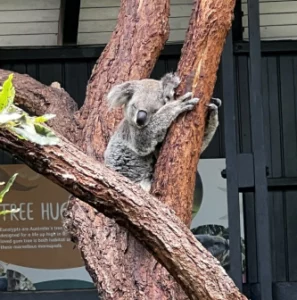
Advance your animal care skills in Sydney, home...
Medicine
In-person
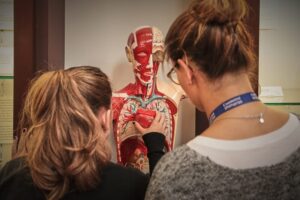
Explore cutting-edge healthcare in Singapore, a world leader...
How the Veterinary Studies Experience Differs by Age
The Veterinary Studies Summer School age range matters because a participant aged 13 may be discovering veterinary science for the first time, while a participant aged 18 may already be thinking about university courses, future careers, or how animal science connects to medicine, biology, and welfare.
Here’s how ages 13-15 and 16-18 compare.
| Area | Ages 13-15 | Ages 16-18 |
| Main Learning Focus | Builds an early understanding of veterinary science, including animal care, animal health, welfare, and how animals function. | Develops a deeper understanding of veterinary science, with stronger links to anatomy, disease, nutrition, diagnostics, and future study. |
| Academic Challenge | Introduces advanced ideas in a more guided way, helping you build confidence with scientific terms and new concepts. | Offers a more mature academic challenge, encouraging you to think critically, analyse ideas, and connect concepts to university-style learning. |
| Subject Engagement | Focuses on discovery, helping you understand what vets and animal scientists do and why animal welfare matters. | Moves further into applied thinking, including how disease develops, how animal systems work, and how science supports clinical reasoning. |
| Skills Developed | Supports curiosity, scientific vocabulary, discussion skills, and confidence in exploring animal-related subjects. | Strengthens independent thinking, case-based reasoning, academic discussion, and the ability to explain scientific ideas clearly. |
| Future Study Connection | Helps you decide whether veterinary medicine, animal science, biology, or animal welfare could interest you in the future. | Helps you test your interest in veterinary medicine or related degrees before making future university and career decisions. |
Join the Immerse Education 2025 Essay Competition
Follow the instructions to write and submit your best essay for a chance to be awarded a 100% scholarship.

What Can Students Aged 13-15 Expect?
If you are aged 13-15, the Veterinary Studies summer school gives you an early introduction to animal health, welfare, and the science behind how animals function.
Here’s what you can expect from this age range.
- A clearer understanding of animal care: You begin exploring what animals need to stay healthy, including suitable nutrition, safe management, welfare, and the role of their environment.
- An introduction to how animals function: Academic sessions help you understand domestic animal structure, basic tissue function, body systems, and how normal function can be affected by care, management, or surroundings.
- Early exposure to animal health and disease: You start looking at how vets think about illness, including how disease can involve the animal, the cause of disease, and environmental factors.
- Support with scientific vocabulary: Terms linked to biology, anatomy, nutrition, genetics, and disease become easier to understand through guided explanation and tutor support.
- A chance to explore future interests: By the end of the programme, you gain a better sense of whether Veterinary Studies, animal science, biology, welfare, or a related pathway feels exciting enough to keep exploring.
What Can Students Aged 16-18 Expect?
By ages 16-18, you may already be thinking seriously about veterinary medicine, animal science, biology, zoology, or another subject connected to animal health.
Here’s what you can expect from this age range.
- A closer look at university-style learning: You work with academically challenging content that reflects the kind of thinking used in advanced veterinary and animal science study.
- Deeper knowledge of animal systems: You explore topics such as animal structure and function, nutrition, genetics, pathogenesis, disease, welfare, and the nervous system.
- Practice with clinical reasoning: Case-based learning helps you examine how animal health problems develop. You also learn how different systems are affected and how evidence can guide veterinary decisions.
- More independent academic work: You strengthen your ability to analyse information and explain scientific ideas clearly. You also build confidence in discussions and develop your personal project with greater direction.
- Stronger clarity about future choices: The experience helps you decide whether veterinary medicine, animal science, biology, zoology, or a related field feels right for your next academic step.
What Topics Can Students Explore in a Veterinary Studies Summer School?
After understanding how the experience can differ by age, it helps to look at the subject areas that bring the programme to life.
Here are some examples of the different topics that may be covered at our Veterinary Studies summer school in Sydney, Australia.
Topic 1: Life and Evolution
In this topic, you explore how evolution shapes the living world, from the origin and diversity of species to animal behaviour and disease.
You learn how natural selection works, why some species continue to arise while others become extinct, and how mutations create the variation that selection acts on, giving you a stronger framework for understanding biological systems in veterinary science.
Topic 2: Animal Structure and Function
Animal health starts with understanding normal function. This includes cells, tissues, and the body systems that keep domestic animals stable.
This topic introduces anatomy, physiology, basic tissue structure, and homeostatic control systems. It helps you see how animal management and environment can influence normal function.
Topic 3: Animal Management
Working with animals means understanding how care changes across livestock, horses, wildlife, fish, poultry, and other managed species.
You connect animal husbandry, health, welfare, genetics, indigenous animal management, and production systems through tutorials and hands-on in-field practicals, building a clearer view of how animal care works in real environments and within the wider global context of veterinary science.
Topic 4: Animal Energetics and Homeostasis
Metabolic health affects how animals use energy, maintain balance, and respond when body systems stop working as they should.
Using case study work, you compare the hepatobiliary, endocrine, and urinary systems across species. You then apply nutrition and organ function knowledge to understand metabolic disease, identify dysfunction, and explore healthier function.
Topic 5: Genetics and Genomics
Modern genetics has changed how scientists study animal health, breeding, conservation, and the care of wild species and ecosystems.
Here, you investigate how genomic technologies help researchers understand life from single-celled organisms to complex animals, including how genes influence health, how populations are managed, and how biological information can support better decisions in veterinary science and animal care.
Topic 6: Veterinary Pathogenesis
Disease does not come from one factor alone, which is why veterinary science looks at the animal, the disease agent, and the environment together.
In this area, you use case-based examples to explore how genetic, physical, chemical, and infectious agents can affect tissues. You also develop a problem-solving approach to the five basic pathological processes involved in disease.
Topic 7: Animal Nutrition
Good nutrition is one of the biggest factors in animal health, whether animals are fed naturally or through carefully planned diets.
You build knowledge of nutritional adequacy, diet creation, deficiencies, excesses, and imbalances, learning how suitable feeding can meet animal requirements, support health, and reduce disease risk across different purposes, environments, and constraints.
Topic 8: Animal Health, Welfare and Disease
Animal health connects biology, ecology, welfare, physiology, molecular biology, infectious agents, and the way animals live alongside people.
Rather than seeing disease as an isolated problem, you examine prevention, treatment, and welfare across production animals, companion animals, and wildlife. This helps you understand how veterinary science supports healthier animals and stronger communities.
Topic 9: The Nervous System
The nervous system shows how one area of dysfunction can affect movement, senses, behaviour, and wider animal health.
You study normal structure and function in the nervous, ocular, and auditory systems. Then, you connect this knowledge to pharmacology, therapeutics, and case-based learning.
Is Veterinary Studies Summer School Suitable for Beginners?
Yes, our Veterinary Studies summer school is suitable for beginners, so you do not need previous veterinary experience to join. If you are curious about animals and willing to engage with science, the programme helps you build from school-level biology towards animal health, welfare, disease, nutrition, anatomy, and biological systems.
You will still meet academically challenging ideas. However, our tutors guide you through specialist terms and case-based learning, helping you explore future study options with confidence.
FAQs
Can International Students Join The Veterinary Studies Summer School In Sydney?
International students can join the Veterinary Studies summer school in Sydney if they meet the programme’s age requirements and enrolment criteria.
The programme is designed for participants aged 13-18. With age ranges for 13-15 and 16-18, students from different countries can study veterinary science in a residential academic setting. At Immerse Education, international participants can explore animal health, welfare, disease, nutrition, and biology while learning alongside peers with different backgrounds and perspectives.
Will I Work With Real Animals During The Programme?
You take part in practical learning connected to animal science, with exact activities varying by programme delivery.
The programme includes practical sessions and hands-on practicals linked to animal management, including livestock, horses, wildlife, aquaculture, and poultry. Your learning goes beyond the classroom, and in the past, the programme has involved interaction with real animals. Still, you should check the final programme details for the exact practical activities included, as the syllabus may change year-to-year.
What Practical Skills Can I Learn In Veterinary Studies Summer School?
You can build practical academic skills linked to animal care, welfare, nutrition, disease, and scientific reasoning.
The programme includes animal management, animal husbandry, health and welfare, nutritional adequacy, diet creation, disease risk, and case-based work on metabolic dysfunction and veterinary pathogenesis. These activities help you think more like a veterinary science student. You use evidence to understand animal needs, biological systems, and health problems.
What Is The Personal Project In Veterinary Studies Summer School?
The Personal Project is an individual piece of work completed during the programme, often as an essay or presentation.
It gives you the chance to explore a Veterinary Studies topic in more depth and present your ideas clearly. Participants receive feedback on this work, and it may also be mentioned in the written participant evaluation provided by the tutor after the programme ends.
Will I Receive A Certificate After Completing The Programme?
You receive recognition for completing our Veterinary Studies summer school. This includes a certificate of achievement as part of the programme experience.
The programme also includes tutor feedback, and the participant evaluation may mention individual work such as the Personal Project. This gives you a record of your academic engagement, which can help you reflect on future study interests. These may include veterinary medicine, animal science, biology, or related fields.
What Careers Can A Veterinary Degree Lead To Besides Becoming A Vet?
A veterinary degree can lead to several careers beyond working as a clinical vet.
Graduates may move into animal welfare, veterinary research, public health, conservation, food safety, livestock management, pharmaceuticals, teaching, or roles with zoos, charities, and government agencies. Veterinary Studies summer school can introduce you to wider interests, including animal health, welfare, nutrition, and disease.
Conclusion
Choosing the right age can shape how confidently you explore animal health, welfare, disease, and veterinary pathways.
At Immerse Education, our Veterinary Studies Summer School age range supports participants aged 13-18 through guided discovery or deeper academic challenge.
You can build knowledge of animal systems, nutrition, genetics, pathogenesis, welfare, and clinical reasoning while testing your interests in a focused setting.
Ready to take your curiosity for animal health further in Sydney, Australia? Explore our Veterinary Studies Summer School and discover where your passion for veterinary science could lead next.