As a high school student interested in STEM, you might find yourself drawn to big questions like how we build intelligent machines, cure diseases, design sustainable systems, or explore space, which is exactly why STEM summer schools for high school students can be such a valuable opportunity. They offer a more practical way to understand how STEM works beyond textbooks, through experimentation, coding, data analysis, and real-world problem-solving.

Imagine spending your summer working in a lab, building prototypes, writing code, or analysing real datasets with guidance from researchers and instructors. These programmes introduce you to tools and concepts such as programming languages, engineering design processes, scientific methods, and emerging technologies like AI or biotechnology. You also develop essential skills like critical thinking, collaboration, and problem-solving while working alongside peers who share your curiosity.

What kind of STEM summer programs are available for high school students?

STEM summer programs for high school students generally fall into a few exciting categories, depending on how you like to learn. Many are research-based, allowing you to work in professional labs alongside scientists to tackle real-world problems in fields like biology or physics. If you prefer building things, there are hands-on workshops where you can design robots, code apps, or experiment with engineering prototypes. 

You can also find academic programs held on university campuses where you take advanced classes in subjects like data science or advanced math, often giving you a taste of what college life is like. Some even offer field-based learning, where you might study the environment or marine life directly in nature.

With so many options available, choosing the right STEM program can feel overwhelming. Some may be too general, while others may not offer meaningful hands-on experience or exposure to real academic environments. To help you explore your options, this article highlights 15 STEM summer schools for high school students that combine academic depth, practical learning, and real exposure to university-level study.

You can also get a taste of college-level STEM through STEM research opportunities or online STEM programs for high school students.

15 STEM Summer Schools for High School Students

1. University of Toronto Engineering Outreach – CREATE: Engineering Design Challenges

Location: Toronto, Canada
Cost/Stipend: CAD 732/week (local students), CAD 1,111/week (international students); bursaries are available
Acceptance rate/cohort size: Competitive; approximately 20-30 students per session/course
Dates: Multiple one-week sessions between July 6th – August 21st
Application Deadline: To be announced
Eligibility: High school students from grades 9 to 12; grades 9/10 need to have completed Grade 9 math and Grade 9 science courses by June; grades 11/12 need to have completed Grade 11 math and Grade 11 science courses (i.e. chemistry and physics) by June; international students are welcome to apply

In this program, you explore engineering disciplines like medical robotics, app development, and sustainable urban planning. Throughout the week, you will build physical prototypes, conduct lab experiments, and use 3D CAD software to design mechanical systems. You are mentored by current University of Toronto engineering students who guide you through the professional design cycle.

You will learn to break down global challenges, brainstorm creative solutions, and test your ideas against real-world technical constraints. These sessions help you sharpen skills in iterative problem-solving, technical communication, and collaborative teamwork. By the end, you’ll have a practical understanding of how engineers use technology to create a meaningful societal impact.

Why it stands out: This program stands out for its flexible multi-week structure and wide range of STEM topics, allowing students to customize their learning experience while being mentored by current university students.

2. Immerse Education’s Pre-University Summer School

15 STEM Summer Schools for High School Students 1

Location: Boston, Cambridge, London, Oxford, Singapore, Sydney, Tokyo, and Toronto
Cost/Stipend: Varies by format; summer school scholarship available through our bursary programme
Acceptance rate/cohort size: Selective; an average of 7 participants per cohort
Dates: 2 weeks during the summer
Application Deadline: Rolling admissions
Eligibility: Students aged 13-18 currently enrolled in middle or high school, application open for worldwide students

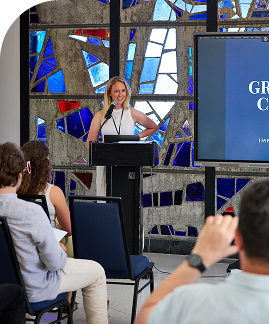
Among the more career-focused STEM summer schools for high school students, the Career Insights Programme is a STEM-focused, industry-led experience set in global innovation hubs. As a participant, you can expect to work on practical, real-world projects connected to science, technology, engineering, and medicine. The programme connects you with industry professionals through interactive workshops, site visits, and hands-on challenges. You’ll also visit operational environments such as tech offices, research centres, labs, and engineering workplaces.

The programme culminates in a final presentation of your work to industry professionals. You can explore STEM career pathways in areas such as Engineering, Environment & Sustainability, Medicine, Software Development & Gaming, and Software Development & AI. The programme also includes weekly 1:1 career coaching sessions and structured moments where you will receive personalised feedback. You can find more details about the applicationhere.

Why it stands out: You’ll get an early start at university life and academics because the program includes an independent project, discussion-based classes, and living at a college campus.

3. Summer Physics Camp (Los Alamos National Laboratory)

Location: Los Alamos, NM
Cost/Stipend: No cost / $350 stipend
Acceptance rate/cohort size: Selective; 20-40 students
Dates: June 8-19
Application Deadline: April 1st
Eligibility: High school students living in New Mexico or the East Hawaii tribal community must have completed Algebra I or high-level Math in school; not open to international students

In this two-week program, you study diverse topics like quantum mechanics, cybersecurity, and solar energy systems. You will participate in hands-on activities such as building remotely operated robotic hands, coding electronics with Arduino, and touring the particle accelerator at Los Alamos National Laboratory.

The camp is unique because it is entirely free and actually pays you a stipend for finishing the course. You will develop technical skills in Python and soldering while also learning how to write professional resumes and handle job interviews. This program gives you a rare chance to work directly with lab scientists on real-world engineering problems.

Why it stands out: You’ll experience how physics research translates into real-world projects, which can be valuable for future studies.

4. NeuroCamp by UCLA

Location: Los Angeles, CA
Cost/Stipend: None
Acceptance rate/cohort size: Highly selective; 15–20 students
Dates: June 16-18; June 23-24; June 26-27
Application Deadline: April 27th
Eligibility: High school students (grades 9-12); U.S. citizens and permanent residents; not open to international students

At NeuroCamp by UCLA, you’ll dive into brain science by exploring molecular neurobiology, neurophysiology, and neuroanatomy. You’ll get hands-on experience through activities like dissecting specimens, running lab experiments, and observing how the nervous system functions. You also spend time collaborating with actual researchers to see how they tackle scientific questions in a professional setting.

This program is special because it’s a completely free outreach effort that keeps its group size small, usually limited to 20 students. While working with motivated peers, you’ll pick up technical lab skills and learn to approach problems with a scientific mindset. It’s a perfect way to start thinking like a professional scientist.

Why it stands out: It offers an elite introduction to a world-class research environment where you perform advanced laboratory techniques like sheep brain dissections and molecular neurobiology experiments under the personal mentorship of UCLA Brain Research Institute scientists.

5. Summer Academy for Math and Science (SAMS)

Location: Pittsburgh, PA
Cost/Stipend: No cost / Stipend paid, amount not specified
Acceptance rate/cohort size: Highly selective; approximately 75-80 students
Dates: Virtual Jumpstart: June 15-16; Main program: June 20th – August 1st
Application Deadline: February 1st
Eligibility: High school juniors in 11th grade at the time of application submissions, are 16 years old by the program start date, are U.S. citizens or permanent residents; not open to international students

At SAMS, you will dive into advanced topics like physics, higher-level mathematics, and computer science through a rigorous academic lens. During the program, you’ll attend college-level lectures, tackle hands-on engineering projects in teams, and participate in technical writing workshops. A standout feature is that the experience is fully funded, providing an inclusive residential environment for students from diverse or underserved backgrounds.

By working through these challenges, you will sharpen your analytical thinking, collaboration, and time management skills. This approach ensures you gain the confidence and technical foundation needed for a future career in a competitive STEM field.

Why it stands out: It provides a fully funded, rigorous collegiate experience at Carnegie Mellon University that combines advanced STEM coursework with a collaborative research project and dedicated mentorship for students from underrepresented backgrounds.

6. Applied Research Innovations in Science and Engineering (ARISE)

15 STEM Summer Schools for High School Students 2

Location: Brooklyn, NY
Cost/Stipend: No cost / $2,000 stipend
Acceptance rate/cohort size: Highly selective; ~60 students  
Dates: Remote Workshops: June 1-25; In-person lab sessions: July 6th – August 14th
Application Deadline: February 27th
Eligibility: Rising high school juniors and seniors for the upcoming school year, only for full-time NYC residents attending NYC schools; not open to international students

In the ARISE program, you conduct authentic research in disciplines like anthropology, biology, computer science, and engineering fields such as biomedical, civil, and aerospace. You will spend your summer performing hands-on experiments, attending ethics seminars, and training with public speaking experts.

This program is entirely tuition-free and provides you with a financial stipend upon completion. Throughout the experience, you’ll collaborate with mentors to analyze complex data and develop technical skills in lab safety and instrumentation. You’ll wrap up the summer by presenting your results at a formal academic colloquium. This experience helps you build the professional confidence and scientific mindset required for high-level research.

Why it stands out: You’ll get access to NYU’s alumni network with jobs, internships, and research opportunities.

7. CUNY STEM Research Academy

Location: New York City, NY
Cost/Stipend: No cost / $1,575 stipend
Acceptance rate/cohort size: Competitive; typically 25 students per campus; approximately 10-15 students are then selected for the Summer phase
Dates: Two-semester program (pre-university classes in spring, followed by six-week summer research experience)
Application Deadline: Varies by campus; typically between December 4th and January 16th
Eligibility: NYC Public High School 10th or 11th graders with an 80+ GPA and strong scores (70-80+) in Regents Math, Science, and ELA; international students are not eligible

In this program, you explore diverse topics like DNA analysis, aquatic ecology, and biomedical sciences while working alongside university faculty. You will engage in activities like designing testable experiments, performing field research, and analyzing data in professional laboratories. You will also learn to navigate professional scientific databases to conduct your own literature reviews.

The program is unique because it offers college credits and a monetary stipend while specifically supporting students from schools without major science resources. By the end, you will have developed skills in scientific inquiry, technical lab techniques, and public presentation at a professional symposium.

Why it stands out: You’ll be exposed to different kinds of STEM subjects through all campuses of CUNY in the whole of New York City.

8. Imperial Schools Outreach – Year 12 Work Experience

Location: London, UK
Cost/Stipend: None
Acceptance rate/cohort size: Highly Competitive; small cohort sizes
Dates: June 29th – July 3rd
Application Deadline: March 5th
Eligibility: High school students at a UK state-funded (non-fee paying) school; must have at least 8 GCSEs; must meet specific A-Level subject requirements for the chosen stream (e.g., Maths/Physics for Engineering); not open to international students

In this program, you will spend a week immersed in a specific research stream like bioengineering, climate science, or chemical engineering at a top university. During the placement, you will perform hands-on laboratory experiments, shadow professional researchers, and attend workshops on university interview skills and personal statements.

This program is unique because it simulates real working life, requiring you to manage your own schedule and commute like a professional staff member. You will gain technical research skills, practice teamwork, and build confidence by presenting your work at a final group conference. This immersive experience bridges the gap between your school studies and the world of high-level scientific innovation.

Why it stands out: It places you in functioning labs, divides you into research groups, and prepares you for presenting at a formal academic conference, mirroring how academia works.

9. Stanford SHTEM (Summer Internships for High Schoolers)

Location: Stanford, CA
Cost/Stipend: None
Acceptance rate/cohort size: Highly selective; ~50-65 students
Dates: June 22nd – August 14th
Application Deadline: February 1st
Eligibility: High school juniors or seniors; at least 14 years old, must be U.S. citizens or permanent residents; not open to international students

In this summer internship, you explore the intersection of technology and the humanities, covering topics like information theory, communication, engineering, arts, linguistics, psychology, biology, neuroscience, computer science, mathematics, philosophy, and design.

You will spend eight weeks collaborating on a research project where you conduct literature reviews, analyze data, and attend group meetings with Stanford mentors. The program’s unique “H-STEM” approach encourages you to solve technical problems by considering the human element in an immersive campus environment. Throughout the experience, you develop essential skills in academic research, data analysis, professional communication, and teamwork.

Why it stands out: It treats the humanities and arts as essential partners to scientific innovation rather than separate fields of study.

10. AIMI Summer Research Internship

Location: Virtual
Cost: $2,400 + $45 application fee; financial aid is available
Acceptance rate/cohort size: Highly selective; around 25 students
Dates: Session A: June 15-26, Session B: July 6-17
Application Deadline: February 20th
Eligibility: Students who are entering grades 9-12 in the fall, are at least 14 years old, and U.S. citizens, residents, or valid visa holders; not open to international students

In this two-week virtual program, you’ll explore how machine learning improves healthcare by analyzing medical images and patient data. You spend your time attending technical lectures, joining coding sessions, and working closely with Stanford mentors on a group research project. One unique aspect is the focus on “AI for social good,” where you learn to address health inequities using data science.

Through these activities, you build practical skills in Python programming, data analysis, and research communication. You finish the program by presenting your findings at a virtual symposium to Stanford researchers. This internship helps you understand technology’s ethical challenges while building a professional foundation in biomedical research.

Why it stands out: It offers high schoolers the rare opportunity to apply advanced computer science skills directly to real-world medical challenges under the direct mentorship of Stanford clinicians and engineers.

11. High School Initiative in Remote Sensing of the Earth Systems Engineering and Sciences (HIRES)

Location: The City College of New York, New York City, NY
Stipend: $1,000
Acceptance rate/cohort size: Competitive; around 25 students
Dates: June 29th – August 13th
Application Deadline: March 15th
Eligibility: Current NYC Public/Charter High School student entering grades 10-12; GPA 80+ and Math average 80+; requires enrollment in or completion of Algebra 2/Trigonometry or higher; not open to international students

In the HIRES program, you will spend seven weeks exploring Earth systems, including climate change, urban heat islands, air quality, water resources, and environmental justice. Your time is split between technical workshops and hands-on lab research where you analyze real satellite data and join scientific field trips.

Working alongside university mentors, you will design a research project and present your findings at a professional symposium. This unique experience provides a stipend and three college credits, giving you a strong head start. Along the way, you’ll master tools like Python and GIS mapping while sharpening your public speaking skills.

Why it stands out: It treats you like a professional researcher by providing both a financial stipend and college credit for conducting high-level science on a university campus.

12. Stanford’s SIMR

15 STEM Summer Schools for High School Students 3

Location: Stanford University, Stanford, CA
Cost: $50 application fee; waivers and need-based stipends available
Acceptance rate/cohort size: Highly selective; ~50 students/year
Dates: June 8th – July 30th
Application Deadline: February 21st
Eligibility: High school students in their junior or senior year, ages 16 and up when the program starts; applicants must attend high school in the U.S. and be U.S. citizens or permanent residents. Preference is given to Bay Area students; not open to international students

In this eight-week program, you choose a medical track like neurobiology, immunology, or bioengineering to explore in depth. You spend your days conducting hands-on lab experiments, attending scientific lectures, and meeting with professional mentors for guidance.

A unique feature is the one-on-one mentorship where you work directly with Stanford researchers on actual, ongoing medical projects. You also get to design and present a research poster at the final symposium to share your results with others. Through this work, you gain practical skills in data analysis, lab techniques, and scientific communication.

Why it stands out: It allows you to explore neuroscience, science communication, and lab work while working one-on-one with a mentor affiliated with Stanford.

13. State University of New York at Albany’s High School Bioinformatics Summer Camp

Location: Virtual + State University of New York at Albany, Albany, NY
Cost: $1,450; an early-bird discount of $200 is available if you apply before February 1st
Acceptance rate/cohort size: Competitive; cohort size not disclosed
Dates: July 6th – August 1st
Application deadline: February 1st
Eligibility: High school students with a GPA above 3.0, at least one high school biology credit, and access to consistent high-speed internet; not open to international students

In this camp, you will explore topics like R programming, the Unix command line, and the biological foundations of diseases like ALS. Your time will be spent attending daily live lectures, completing hands-on coding exercises, and conducting an independent research project using real-world medical datasets.

You get direct access to high-performance computing clusters for your data analysis. Before finishing, you will present your findings as a research poster at a professional scientific symposium. This experience builds essential skills in data visualization, computational research, and scientific communication.

Why it stands out: It allows you to tackle real-world medical mysteries using the same high-performance computing tools used by professional research scientists.

14. Columbia Engineering SHAPE (Summer High School Academic Program for Engineers)

Location: Columbia University, New York City, NY
Cost: Residential: $11,492; Commuter: $6,241; need-based scholarships are available for U.S. students
Acceptance rate/cohort size: Selective; approximately 25 students per class
Dates: Session 1: July 6-24; Session 2: July 27th – August 14th
Application deadline: March 2nd
Eligibility: Rising 10th through 12th graders; at least 16 to enroll as a residential student, open to international students

At Columbia Engineering SHAPE, you get to jump into a three-week intensive that bridges high school curiosity with university-level rigor. You will explore specialized tracks like robotics, biomedical engineering, data science, and chemical engineering, alongside subjects like operations research and sustainable energy. Throughout the session, you’ll build your own robotic cars, use laser cutters for physical prototypes, and write Python code to tackle complex design challenges.

This experience is unique because you learn directly from world-class faculty while attending workshops on public speaking and college admissions. By the end, you will have sharpened your technical literacy, 3D modeling abilities, and the independent research habits required for a successful future in STEM.

Why it stands out: It blends advanced technical theory with hands-on maker space projects, giving you an authentic feel for life on a prestigious university campus.

15. NUS Youth Programme: Artificial Intelligence and Machine Learning Fundamentals

Location: National University of Singapore
Cost: SGD 5,450 – SGD 6,540 for international participants (approximately $4,000-4,800)Singaporeans/PRs and ASEAN students typically receive a lower rate (approximately SGD 2,725 – SGD 3,815)
Acceptance rate/cohort size: Selective; typically 30-50 students per track
Dates: Multiple sessions are offered in the summer (typically June 21-27 and July 27-31)
Application deadline: Generally March 15th for the June session and late April for the July session
Eligibility: Pre-University and high school students in Grades 10-12, with an interest in exploring AI and its applications, minimum age of 15 years old; open to international students

As one of the more specialised STEM summer schools for high school students, this programme explores the core principles of artificial intelligence and machine learning through a curriculum covering neural networks, supervised learning, and current industry trends. You will spend your time building and training models using Orange, a visual programming tool that lets you analyse data and explore algorithms without writing complex code.

Throughout the sessions, you will work with real-world datasets, collaborate on a group capstone project, and present your results to your peers. This experience helps you develop a practical technical foundation while sharpening your problem-solving and public speaking skills. By interacting directly with university professors, you gain a practical understanding of how AI is reshaping modern society and business.

Why it stands out: It uses an intuitive visual interface to teach high-level concepts, allowing you to master complex AI technologies without needing any prior coding background.

From Coding, Labs, and Prototypes to University Preparation

STEM starts to feel different when you move beyond textbooks and begin testing ideas through coding, lab work, engineering design, and real experimentation itself.

The STEM summer schools for high school students featured here show how early challenges can build confidence, sharpen thinking, and prepare you for university-level study.

Whether you are building prototypes, analysing data, exploring AI, or presenting research, each experience helps you understand the pace, independence, and expectations ahead at university.

Take that ambition further through our University Preparation blogs, where you’ll find powerful guidance, useful strategies, and fresh insight to help shape what comes next.