

 Русский (RU)
 Українська (UK)
 Türkçe (TR)
 Italiano (IT)
 Français (FR)
 Português (PT)
 中文 (中国) (ZH)
 Español (ES)
 日本語 (JA)
 ไทย (TH)
 Deutsch (DE)
 Ελληνικά (EL)
 Polski (PL)
 Bahasa Indonesia (ID)
 Nederlands (NL)
 العربية (AR)
 한국어 (KO)
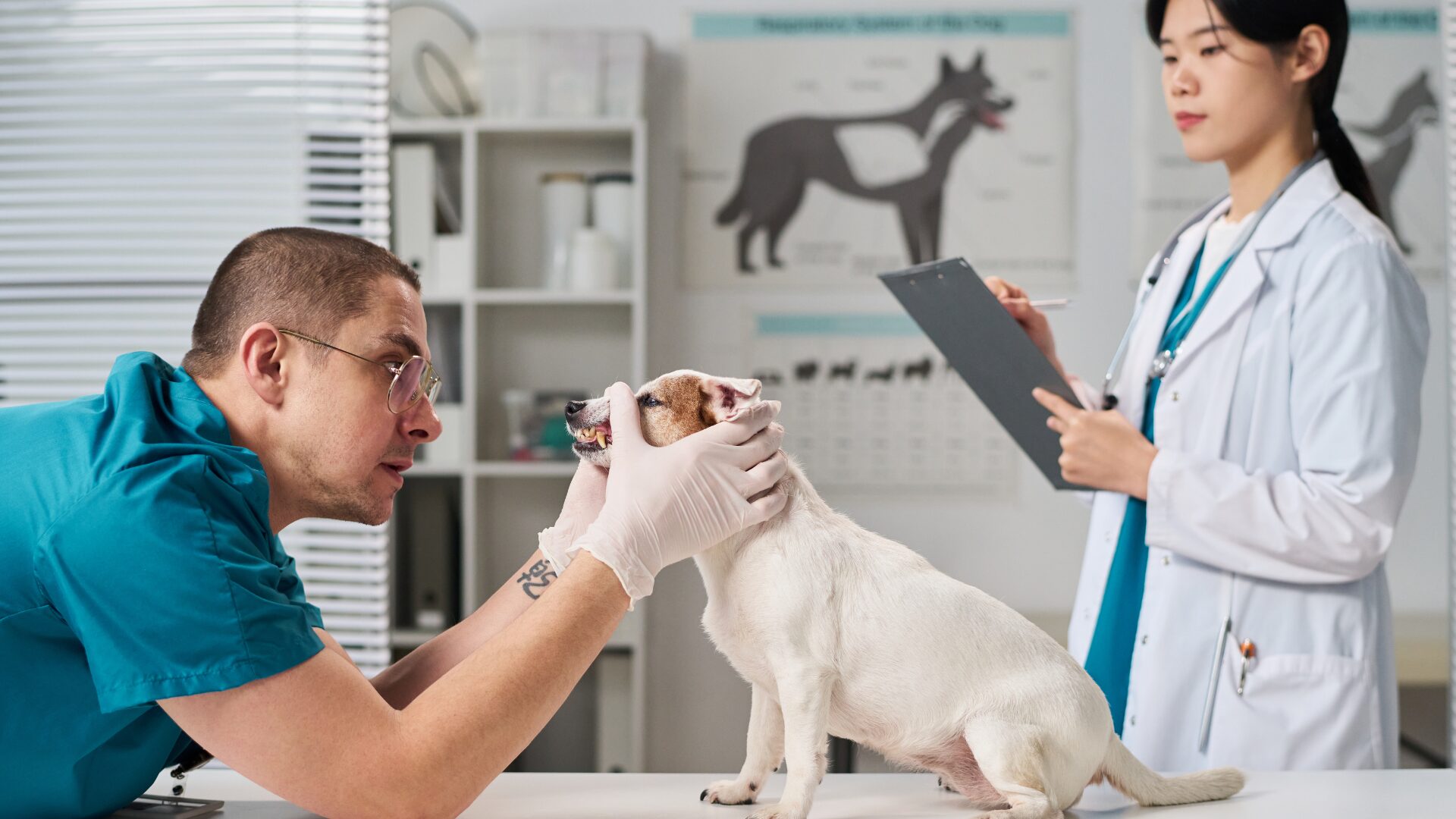
If you’re interested in working with animals, veterinary studies might already be on your radar. But beyond the idea of caring for animals, the field involves careful observation, medical knowledge, and decision-making that isn’t always visible from the outside. Veterinary studies summer programs for high school students give you a better idea of what this path actually involves!
Picture yourself learning how to assess an animal’s condition, discussing treatment options, or understanding how vets respond to different situations. You might work through case examples, observe procedures, or explore how animal health is managed across different settings. These experiences help you move from a general interest in animals to a more informed understanding of veterinary work.
How do you choose the right veterinary studies summer program for high school students?
With many options available, it can be difficult to tell which programs offer meaningful exposure. Some may focus more on basic introductions, while others provide more structured learning and closer insight into veterinary practice. Knowing this difference can help you make a better decision.
Veterinary summer programs are often offered by universities and specialized institutions. They may include lectures, demonstrations, and discussions around topics like animal care, anatomy, and disease management. Along the way, you’ll build foundational knowledge and begin to understand how veterinary studies are approached at a higher level. These programs can also act as a foundation for your college journey, giving you a taste of what university life is like at a top institution, in person.
To help you get started, we’ve compiled a list of 15 veterinary studies summer programs for high school students. They’ve been selected for their academic rigor, practical exposure, and relevance to university-level study.
For more subject options, you can have a look at STEM research opportunities and online STEM programs.
15 Veterinary Studies Summer Programs for High School Students
1. University of Tennessee – Veterinary Summer Experience Program (VSEP)
Location: University of Tennessee College of Veterinary Medicine, Knoxville, TN, with four weeks of shadowing at a local approved veterinary practice in Tennessee
Cost: Free; there is no cost to attend
Acceptance rate/cohort size: Selective; the exact acceptance rate and cohort size are not publicly available
Dates: June 9th – July 11th
Application Deadline: January 30th; supplemental materials postmarked by February 6th
Eligibility: Current high school juniors or seniors who are legal Tennessee residents and enrolled in a Tennessee high school or homeschooling program, are at least 16 by June 1st, have a minimum 3.0 cumulative GPA, can participate full-time, have not participated before, and can secure an approved local veterinary practice site; it is not open to international students
VSEP is one of the most practice-focused veterinary studies summer programs for high school students, combining four weeks of shadowing in a local veterinary practice with one week of educational programming on the University of Tennessee campus. You are responsible for identifying a veterinary practice site, which must be approved by the university, so the programme gives you direct exposure to how veterinary care works in everyday clinical settings.
The on-campus component is designed to help you explore the veterinary profession more formally while connecting your shadowing experience to university-level learning. Because the program requires full-time participation and a confirmed practice placement, it is best suited to students who already have a serious interest in animal health and want early professional exposure. The structure is especially useful because it lets you compare day-to-day veterinary practice with the academic environment of a veterinary school.
Why it stands out: It combines extended shadowing in a local veterinary practice with structured on-campus instruction, allowing you to connect daily clinical work with formal veterinary education.
2. Immerse Education’s Veterinary Studies Summer School
Location: University of Sydney, Sydney, Australia
Cost: Varies by format; summer school scholarship available through our bursary programme
Acceptance Rate/Cohort Size: Selective; small groups (average of 7 participants per class)
Dates: Multiple 2-week sessions across June-August
Application Deadline: Rolling admissions
Eligibility: Students aged 13-18; open to international students
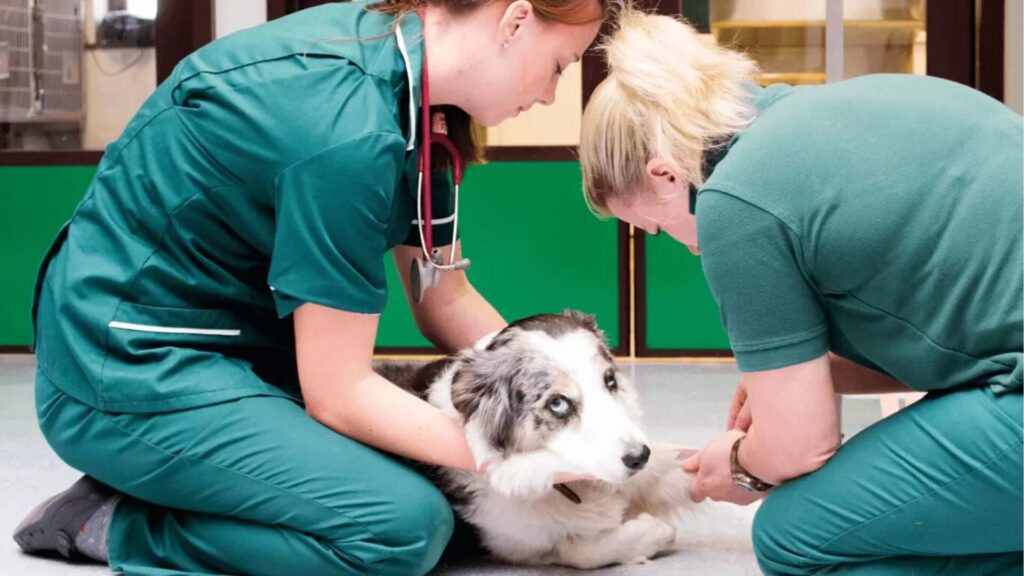
Immerse Education’s Veterinary Studies Summer Programme introduces you to the scientific and ethical foundations of veterinary medicine through university-style teaching and case-based learning. You explore topics such as animal physiology, disease diagnosis, treatment approaches, and animal welfare, guided by experienced tutors. The program uses seminars, group discussions, and real-world case studies to help you understand how veterinary professionals assess and treat different species.
You also develop analytical and communication skills through collaborative projects and guided assignments. The in-person experience includes living in a Cambridge college environment, giving you insight into university life while studying a specialized subject. By the end, you receive a certificate and personalized feedback, helping you evaluate your interest in pursuing veterinary science further.
Why it stands out: Offers a focused introduction to veterinary science in a university-style setting, combining subject-specific learning with a realistic preview of studying at a leading academic institution.
3. Cornell University College of Veterinary Medicine – Programs for High School Students
Location: Cornell University College of Veterinary Medicine, Ithaca, NY
Cost: Varies by program; some opportunities are free or funded, while others may have associated costs
Acceptance rate/cohort size: Selective; varies by specific program (not publicly available)
Dates: Summer opportunities vary; typically, short-term programs or workshops between June and August
Application Deadline: Varies by program; generally between winter and spring
Eligibility: High school students; some programs are limited to U.S. students or New York State residents, while others may be open more broadly
Cornell’s College of Veterinary Medicine offers a range of summer and outreach opportunities that introduce you to veterinary science, animal health, and biomedical research. These programs are designed as exploratory experiences, where you learn about veterinary careers through lectures, demonstrations, and interactions with faculty, veterinarians, and current students. You are exposed to topics such as animal anatomy, disease, and clinical practice, helping you understand how veterinary medicine connects to both science and healthcare.
Rather than a single structured course, Cornell provides multiple entry points into veterinary education, allowing you to explore the field through workshops, camps, and short-term academic experiences. Some programs may include lab visits, hospital tours, or hands-on activities that give you a clearer sense of daily work in veterinary settings.
Why it stands out: It helps you explore veterinary medicine through multiple program formats, giving you insight into both academic learning and clinical practice at a leading institution.
4. Tufts University – Adventures in Veterinary Medicine (AVM)
Location: Tufts University Cummings School of Veterinary Medicine, North Grafton, MA
Cost: Approximately $1,900-$2,200 depending on session; no stipend; limited financial aid available
Acceptance rate/cohort size: Selective; cohort size typically 60-80 students per session
Dates: Multiple 1- and 2-week sessions between June and August
Application Deadline: Rolling admissions; priority deadlines typically in the spring
Eligibility: High school students aged 16-18; open to international students
The Adventures in Veterinary Medicine (AVM) program is a hands-on summer experience that introduces you to veterinary science through lectures, labs, and clinical demonstrations. You explore topics such as animal anatomy, physiology, surgery, and diagnostics while learning directly from Tufts veterinary faculty and professionals.
The program includes practical activities such as laboratory work, case studies, and interactions with animals, helping you understand how veterinary medicine is practiced in real settings. You engage with both the scientific and clinical sides of veterinary care, which helps you connect classroom knowledge to real-world animal health scenarios. Living on campus and working alongside peers interested in animal science also gives you exposure to the structure and expectations of veterinary school.
Why it stands out: It is one of the most established pre-veterinary programs, offering direct exposure to Tufts’ veterinary school through hands-on labs and clinical learning experiences.
5. National Student Leadership Conference (NSLC) – Veterinary Medicine
Location: Virginia Tech, Blacksburg, VA
Cost: $4,295 residential; no stipend specified
Acceptance rate/cohort size: Not specified
Dates: June 13th – June 21st; June 25th – July 3rd; July 7th – July 15th
Application Deadline: Not specified; the programme page notes that waitlists have started for summer
Eligibility: High school students ages 14-18 who have completed at least one year of high school; open to international students.
This program introduces you to veterinary medicine through guided activities focused on animal health, clinical care, and the scientific foundations of veterinary practice. The latest Virginia Tech itinerary also lists visits and activities connected to the Virginia-Maryland College of Veterinary Medicine, a county animal care and adoption center, the Virginia Tech Equitation Barn, and Kentland Farms’ Dairy Science Complex, so you get exposure to both academic and applied sides of the field. The format is residential, which means you also experience a campus-based schedule while working with other students interested in animal science and health professions.
Because the program combines structured learning with site visits, it can help you understand how veterinary medicine spans small-animal care, large-animal work, and agricultural settings. The program is best viewed as an exploratory leadership and career-exposure experience rather than a university-run veterinary research program.
Why it stands out: You will explore veterinary medicine across clinical, agricultural, and animal care settings, helping you understand how the field applies to different real-world environments.
6. Banfield Pet Hospital – NextVet Internship
Location: Multiple Banfield Pet Hospital locations across the U.S.
Cost: Paid internship
Acceptance rate/cohort size: Selective; 30 interns were selected last year from more than 500 applications
Dates: Summer internship; exact dates vary by location
Application Deadline: Applications typically open in February; the exact deadline varies by cycle
Eligibility: Students ages 16+; open to U.S.-based students, with placements in selected U.S. markets
NextVet is a paid summer internship that places you in a Banfield Pet Hospital team so you can learn what companion-animal veterinary care looks like in practice. You work alongside hospital staff and are introduced to day-to-day clinical workflows, pet care, and the professional environment of a veterinary hospital. The program is designed for students who want early exposure to veterinary careers before college or veterinary school, rather than a university classroom or research-lab experience.
Because the internship is workplace-based, it helps you understand the practical side of veterinary medicine through direct observation and team support rather than simulated activities. Banfield describes it as part of its broader effort to strengthen and diversify the veterinary pipeline, and recent cohorts have included students placed across multiple states.
Why it stands out: You’ll work within a veterinary hospital team, helping you understand how daily clinical workflows and patient care operate in a professional setting.
7. The Ohio State University – Buckeye Vet Camp
Location: The Ohio State University College of Veterinary Medicine, Columbus, OH
Cost: $1,000, plus a $30 non-refundable application fee
Acceptance rate/cohort size: The acceptance rate and cohort size are not publicly available
Dates: June 7th – June 12th
Application Deadline: Applications close April 10th; participants are notified on April 20th
Eligibility: Rising high school sophomores, juniors, and seniors; international eligibility is not specified on the official page
Buckeye Vet Camp is a residential veterinary camp designed to help you explore both veterinary medicine and what life as a veterinary student is like. The program includes seminars, laboratories, and other in-depth activities such as mock lectures, clinical skills sessions, team-building exercises, and a community service project.
That mix is especially useful because it introduces you to the academic, practical, and collaborative sides of veterinary education rather than only one part of the field. Since the camp is hosted directly by Ohio State’s College of Veterinary Medicine, you also get exposure to a real veterinary school setting while living on campus.
Why it stands out: It combines labs, mock lectures, and clinical skills sessions in a residential setting, helping you understand both veterinary training and campus life.
8. University of California, Davis – Veterinary Sciences Programs
Location: University of California, Davis, Davis, CA (residential and commuter options available)
Cost: Varies by course (typically $2,000-$4,000 depending on program and housing)
Acceptance rate/cohort size: Moderately selective; cohort sizes vary by course (not publicly specified)
Dates: Multiple sessions between June and August (course-specific schedules)
Application Deadline: Rolling admissions until programs are filled
Eligibility: High school students; open to international students
UC Davis offers veterinary-focused summer programs that introduce you to animal science, veterinary medicine, and related biomedical fields through structured coursework and hands-on learning. You study topics such as animal anatomy, physiology, disease, and veterinary diagnostics while engaging in lab activities and demonstrations led by instructors affiliated with the university.
The curriculum often combines lectures with practical sessions, allowing you to understand how scientific concepts are applied in veterinary settings. You gain exposure to one of the top veterinary schools in the U.S., which helps you understand the academic expectations and pathways into veterinary medicine.
Why it stands out: It provides access to UC Davis’s veterinary ecosystem, combining academic coursework with hands-on exposure to animal science at a leading veterinary institution.
9. University of Minnesota – VetCamp
Location: University of Minnesota College of Veterinary Medicine, St. Paul, MN
Cost: $15
Acceptance rate/cohort size: Not specified
Dates: April 18th
Application Deadline: Not specified
Eligibility: Students worldwide in grades 6-12
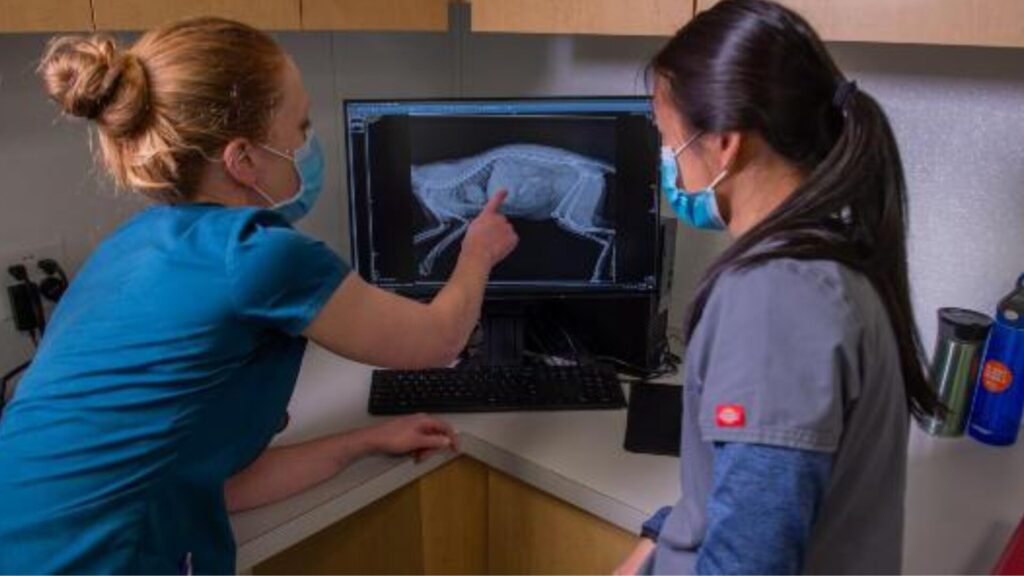
VetCamp is an interactive program for middle and high school students who want to learn more about veterinary medicine as a career. It is taught by students at the University of Minnesota College of Veterinary Medicine and sponsored by the Minnesota Veterinary Medical Foundation, which gives you direct exposure to people already training in the field. The camp is held on campus and runs for three hours, with activities built around simulated animals, veterinary career casework, toxicology, and Q&A with veterinary students.
That structure makes it a useful early introduction to veterinary medicine because you are working through cases and learning how veterinarians think. The program is shorter than a residential summer school, but it still gives you a practical look at animal health topics and the range of careers within veterinary medicine.
Why it stands out: It gives you a hands-on introduction to veterinary medicine at a very low cost, with activities led by current veterinary students inside a university veterinary school.
10. University of Missouri – Advanced Veterinary Academy
Location: University of Missouri College of Veterinary Medicine, Columbia, MO
Cost: $400
Acceptance rate/cohort size: Not specified
Dates: June 8th – June 12th
Application Deadline: March 31st
Eligibility: High school juniors or seniors worldwide; minimum age 16 and maximum age 18 or entering freshman year of college; must have job-shadowed a veterinarian; minimum 2.7 GPA
The Advanced Veterinary Academy is a summer program for high school students who want a closer look at how veterinary medicine is studied and practiced at a university veterinary school. You take part in lectures, labs, and clinical-style activities designed to simulate both classroom learning and clinical rotation experience.
The curriculum includes anatomy with an animal dissection, clinical pathology, comparative medicine, food animal medicine, gross pathology, public health, radiology, toxicology, and small-animal medicine. The program is especially useful if you already have some exposure to the profession, since it requires prior veterinary shadowing and asks you to reflect seriously on your career goals in the application.
Why it stands out: It simulates both veterinary classroom learning and clinical rotations, giving you exposure to dissection, pathology, radiology, surgery observation, and even a real veterinary lecture in one short program.
11. Purdue University – Boiler Vet Camp
Location: Purdue University College of Veterinary Medicine, West Lafayette, IN
Cost: Not specified
Acceptance rate/cohort size: Not specified
Dates: Multiple sessions typically held in June – July
Application Deadline: Spring (varies by session)
Eligibility: High school students; international eligibility not specified
Boiler Vet Camp is a residential program hosted by Purdue’s College of Veterinary Medicine that introduces you to veterinary science through lectures, labs, and interactive activities. You explore topics such as animal anatomy, clinical procedures, diagnostics, and veterinary careers while working with faculty, staff, and veterinary students.
The program includes hands-on experiences and demonstrations that help you understand how veterinarians care for both small and large animals. You engage directly with veterinary teaching facilities, which gives you insight into how veterinary education and clinical training are structured at a university level. Living on campus also allows you to experience the academic environment and daily routine of a veterinary student.
Why it stands out: It provides direct exposure to Purdue’s veterinary school through a residential format, combining academic learning with hands-on clinical demonstrations.
12. University of Georgia – VetCAMP
Location: University of Georgia College of Veterinary Medicine, Athens, GA
Cost: Not specified
Acceptance rate/cohort size: Not specified
Dates: Early June
Application Deadline: Late January
Eligibility: High school sophomores, juniors, and seniors who are at least 16; applicants must be U.S. residents
VetCAMP is a pre-veterinary summer program that introduces you to veterinary medicine through hands-on learning at a veterinary teaching hospital and diagnostic labs. The program includes time in the college’s diagnostic facilities and also highlights the Poultry Diagnostic and Research Center, so you are exposed to more than one area of animal health and disease investigation.
You also get a behind-the-scenes look at the college and learn about admissions, which helps connect the experience to the next steps in a pre-vet college journey. Because the program is hosted by a veterinary school and built around real facilities, it gives you a clearer sense of how veterinary education combines clinical work, diagnostics, and academic training.
Why it stands out: It gives you direct exposure to a veterinary teaching hospital, diagnostic labs, and poultry research facilities, helping you see how different parts of veterinary medicine work together in one university setting.
13. Texas A&M University – Veterinary Medicine Summer Camp
Location: Texas A&M College of Veterinary Medicine & Biomedical Sciences, College Station, TX
Cost: Approximately $900
Acceptance rate/cohort size: Not specified
Dates: Two sessions typically held in June
Application Deadline: Spring; applications open early in the year
Eligibility: Students entering grades 9-12; must be at least 14 years old; international eligibility not specified
Texas A&M’s Veterinary Medicine Summer Camp is a residential program hosted within a veterinary college, where you explore veterinary medicine through structured academic and hands-on activities. You participate in lectures, labs, and demonstrations that introduce topics such as animal anatomy, clinical procedures, and disease prevention. The program also includes exposure to different areas of veterinary practice, helping you understand the range of roles veterinarians take on.
You work within actual veterinary teaching facilities, which gives you a clearer sense of how veterinary education and clinical training are structured at the university level. Alongside academic sessions, you interact with faculty, staff, and veterinary students, allowing you to ask questions about career pathways and training.
Why it stands out: It provides hands-on exposure inside a veterinary teaching college, helping you understand both the academic training and clinical skills involved in becoming a veterinarian.
14. Boston Leadership Institute – Veterinary Medicine Program
Location: Boston, MA (hosted at partner university and laboratory facilities)
Cost: Approximately $3,000-$3,500, depending on program length; no stipend
Acceptance rate/cohort size: Moderately selective; small class sizes (not specified)
Dates: Multiple sessions between June and August
Application Deadline: Rolling admissions until sessions are filled
Eligibility: High school students; open to international students
This program introduces you to veterinary medicine through laboratory sessions, lectures, and case-based learning focused on animal health and disease. You study topics such as animal anatomy, physiology, and pathology while engaging in hands-on activities designed to simulate veterinary procedures and diagnostic techniques. The curriculum also includes exposure to biomedical research concepts, helping you understand how laboratory science connects to veterinary care.
You work through structured experiments and case studies, which help you develop a practical understanding of how veterinarians approach diagnosis and treatment. The program is delivered in small groups, allowing for interaction with instructors and individualized feedback during lab sessions.
Why it stands out: It offers a lab-focused introduction to veterinary medicine through hands-on experiments and case-based learning in small classroom settings.
15. Auburn University – 9th and 10th Grade Veterinary Camp
Location: Auburn University, Auburn, AL
Cost: $1,300; no stipend mentioned. The fee includes on-campus housing, meals, snacks, programme instruction, materials, equipment, transportation to off-campus field-trip sites, and recreational activities
Acceptance rate/cohort size: Not publicly available
Dates: June 22nd – June 26th
Application Deadline: No information available
Eligibility: Rising 9th and 10th-grade students; international eligibility is not specified on the official page
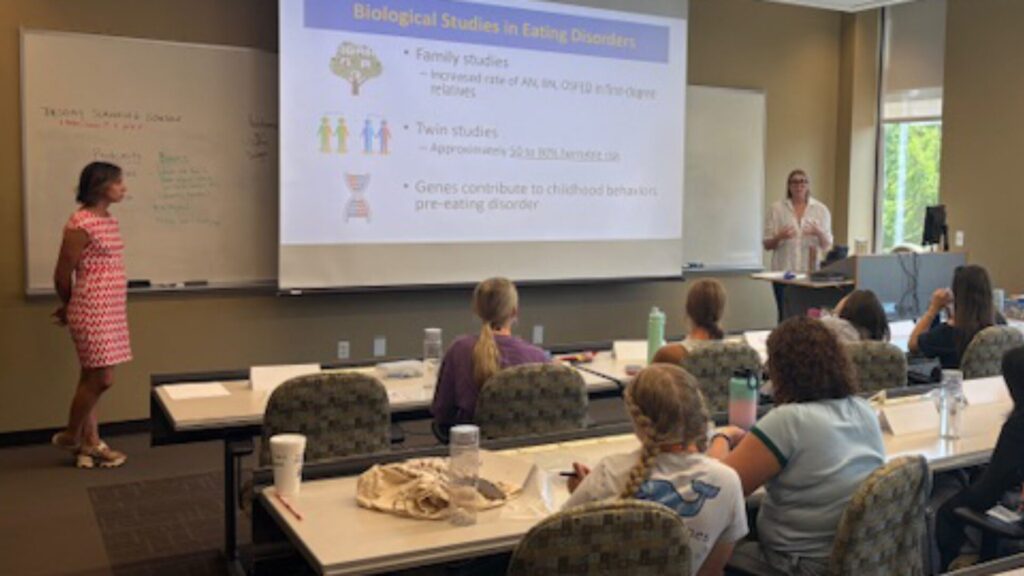
This camp is run through a partnership between Auburn University’s College of Veterinary Medicine and the Office of Professional and Continuing Education, so you are learning within a university veterinary setting rather than a general summer camp. You explore veterinary medicine through classrooms, laboratories, and outdoor facilities, including Auburn’s raptor, equine, dairy, and beef areas.
The curriculum introduces you to public health, farm animals, exotics and wildlife, companion animals, anatomy, physiology, surgery prep skills, and research, giving you a broad view of what veterinary study can involve before college. You also live in Auburn residence halls and eat in campus dining facilities, which makes the program a useful first look at university life in addition to veterinary learning.
Why it stands out: It gives you early exposure to multiple areas of veterinary medicine, including exotics, public health, and large-animal care, while letting you experience residential campus life at a university veterinary school.
From Animal Care to Sydney Study Pathways
Veterinary study begins with curiosity, but meaningful experience helps you understand animal anatomy, disease diagnosis, clinical decision-making, and welfare.
The 15 veterinary studies summer programs for high school students in this article include shadowing, labs, case studies, hospital exposure, and university-style teaching.
Through programmes at institutions like the University of Sydney, Tufts, UC Davis, Purdue, and Texas A&M, you can explore different routes into veterinary study.
Thinking about studying in Australia? Explore our Ultimate Guide to University of Sydney to learn about courses, campus life, admissions, student support, and Sydney itself.