

 Русский (RU)
 Українська (UK)
 Türkçe (TR)
 Italiano (IT)
 Français (FR)
 Português (PT)
 中文 (中国) (ZH)
 Español (ES)
 日本語 (JA)
 ไทย (TH)
 Deutsch (DE)
 Ελληνικά (EL)
 Polski (PL)
 Bahasa Indonesia (ID)
 Nederlands (NL)
 العربية (AR)
 한국어 (KO)

If you’ve ever found yourself thinking about questions that don’t have clear answers, philosophy might already be something you’re drawn to. It often begins with simple ideas about right and wrong, truth and belief, but quickly becomes more complex the deeper you go. In school, these topics are usually introduced briefly, which can leave you wanting more clarity or time to explore them properly. Philosophy summer programs for high school students give you a chance to do exactly that.
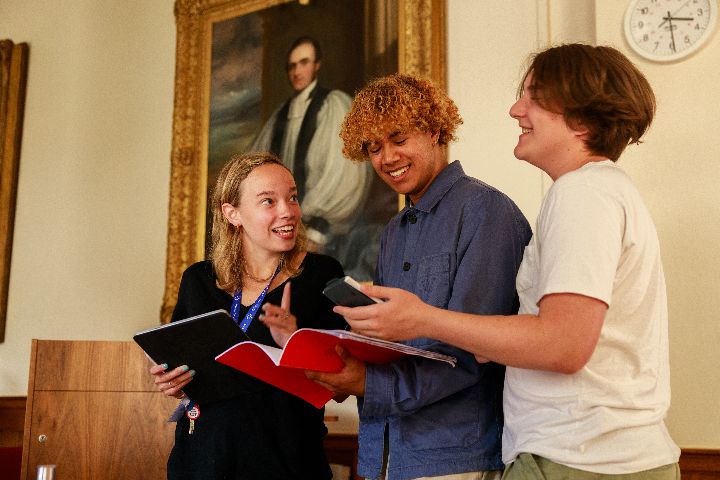
Imagine spending your day working through a question with others who are just as curious. You listen, respond, rethink your position, and try to express your ideas more clearly. You might read philosophical texts, take part in structured discussions, or write short pieces where you defend a particular viewpoint. Through this process, you begin to understand how arguments are formed, tested, and refined.
How do you choose the right philosophy summer programs for high school students?
With many options available, it can be difficult to know which programs offer a meaningful experience. Some may feel too unstructured, while others provide a clearer framework that helps you engage with ideas more deeply. Looking at how a program is taught can make a big difference.
Philosophy summer programs are often offered by universities and academic institutions. They typically combine lectures with discussions, reading sessions, and writing tasks. You may study topics like ethics, logic, or political philosophy while working alongside peers who are interested in exploring similar questions.
Spending time in these programs also gives you a sense of what studying philosophy at the university level is like. You get used to forming your own ideas, questioning assumptions, and engaging in conversations that go beyond standard classroom learning.
To make your search easier, we’ve put together a carefully selected list of 15 philosophy summer programs for high school students!
If you’re looking for a broader focus, you can look into international programs for high school students. For courses in adjacent fields, you can also check out summer programs in psychology.
15 Philosophy Summer Programs for High School Students
1. Stanford Summer Humanities Institute (Philosophy Tracks)
Location: Hosted at Stanford University, California, USA (residential, on-campus)
Cost: $8,850 (covers housing, meals, activities, field trips)
Acceptance rate/cohort size: Not mentioned
Dates: Session 1: June 21st – July 10th | Session 2: July 12th – July 31st
Application Deadline: February 2nd
Eligibility: Open to all students in grades 10-11 at the time of application. Must be at least 15 years old and under 18 during the program. Designed for academically motivated high school students interested in the humanities
Stanford Summer Humanities Institute places you in small, discussion-heavy classes where you read and break down philosophical texts on ethics, politics, and human life. You spend most of your time analyzing primary readings, writing structured responses, and speaking in seminars where your ideas are constantly questioned and refined. The program is built around conversation, so you learn how to defend an argument, respond to criticism, and rethink your position.
Living on campus adds another layer, because discussions don’t stop after class and often carry into group work and informal debates. You also engage with ideas across literature and history, not just philosophy alone. By the end, you will have completed written work and developed a much sharper way of thinking through complex questions.
Why it stands out: You are studying in a residential Stanford setting with faculty-led seminars that closely mirror how the humanities are taught at top colleges. The mix of intensive discussion, writing, and campus life gives a real sense of undergraduate expectations.
2. Immerse Education’s Philosophy Summer School
Location: Cambridge, Oxford, Online
Cost: Non-residential: £5,995 | Residential: £7,495 | Residential + online add-on: £9,516; summer school scholarship available through our bursary programme
Acceptance rate/cohort size: Selective; an average of 7 participants per class
Dates: Multiple cohorts
Application Deadline: Not specified; rolling admissions
Eligibility: Open to students aged 16-18. Designed for high school students interested in philosophy, with no strict prior background required. International students are eligible, and the programme hosts students from around the world.
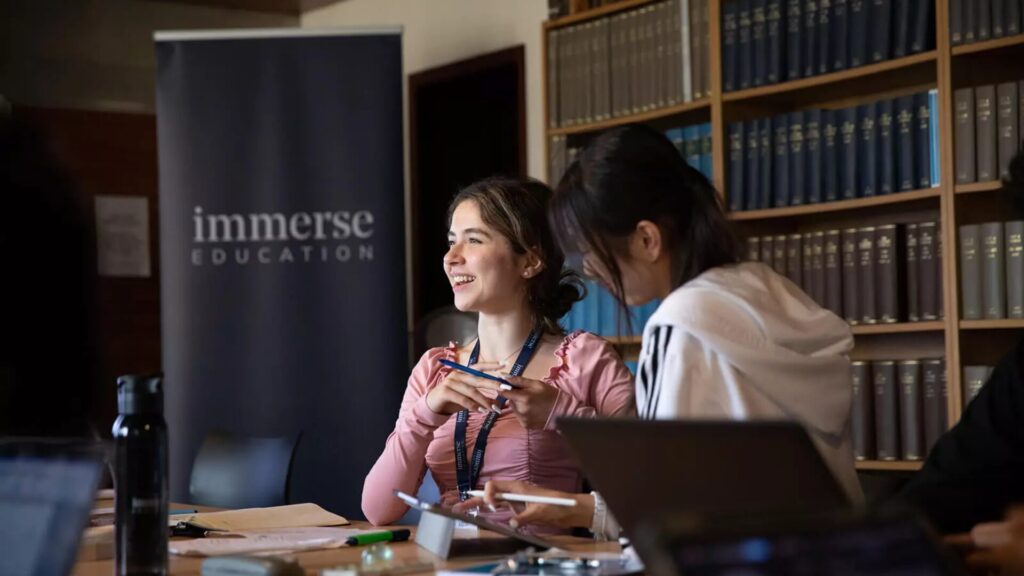
Immerse Education’s Philosophy Programme is built around small group teaching where you sit with a tutor and work through ideas in ethics, metaphysics, and logic. You read key thinkers, then spend sessions unpacking what those arguments actually mean and where they fall apart. A big part of the experience is your independent research project, where you pick a topic and develop it into a structured argument with feedback at every step.
You are expected to speak, question, and push ideas rather than passively listen. The setting, often inside Oxford colleges, adds to the experience since you are working in spaces tied to academic tradition. By the end, you will have completed your research work and presented your ideas clearly.
Why it stands out: The programme combines personalised tutoring, a research project, and exposure to university-style learning, while offering both residential experiences in major academic cities and flexible online participation for international students.
3. The Dialectic: Philosophy Summer Camp at ASU
Location: Hosted at Arizona State University, Tempe, Arizona, United States
Cost: $400 tuition; includes instruction, lunch, and materials
Acceptance rate/cohort size: Not specified
Dates: June 1-5
Application Deadline: May 1st
Eligibility: Open to students in grades 9-12 and those just finishing 8th grade. It is an in-person, non-residential programme, and international students must arrange their own travel and stay
The Dialectic at Arizona State University introduces you to philosophy through structured seminars where you explore ethics, political thought, and logic. You read selected texts and then move into discussions where you break down arguments and challenge each other’s reasoning. Writing is part of the process, so you learn how to turn your ideas into clear arguments.
Sessions are interactive, with debates and collaborative activities shaping most of the learning. You also get a sense of how philosophy classes are run at the university level. The pace is short but focused, with each day building on previous discussions. By the end, you develop clearer thinking and stronger argument skills.
Why it stands out: It gives early exposure to college-level philosophy in a focused, discussion-driven format without the complexity or cost of longer programs.
4. Telluride Association Summer Seminar (TASS)
Location: Hosted at universities in the United States, primarily Cornell University and the University of Maryland
Cost: Fully funded; covers tuition, books, room and board, and programme activities; need-based travel support may also be available
Acceptance rate/cohort size: Not specified
Dates: June 21st – July 25th
Application Deadline: December 3rd
Eligibility: Open to high school sophomores and juniors, typically aged 15-17. The programme welcomes both U.S. and international students. International applicants studying outside the U.S. are eligible, though specific age and academic stage criteria apply
Among philosophy summer programs for high school students, Telluride Association Summer Seminar stands out as a fully funded option where you spend weeks reading, discussing, and questioning texts in areas like ethics, politics, and social thought. You are part of a seminar, not a lecture, which means every session depends on your participation. You read deeply and come prepared to discuss, argue, and rethink ideas with others.
The residential setup includes shared responsibilities and decision-making, which builds a strong sense of community. You are expected to contribute both academically and socially. Writing and discussion are constant, shaping how you think and express ideas. By the end, you leave with a much sharper ability to engage with complex arguments.
Why it stands out: It is fully funded and highly selective, and the seminar style with student-led community living closely mirrors serious college environments at top institutions.
5. Harvard Pre-College Summer School Program in Philosophy
Location: Hosted at Harvard University, Cambridge, MA (on-campus, residential)
Cost: Programme fee: $6,100, including tuition, housing, meals, activities, and insurance; application fee: $75, non-refundable
Acceptance rate/cohort size: 15 students per class
Dates: Session I: June 21st – July 2nd | Session II: July 5th – July 17th | Session III: July 19th – July 31st
Application Deadline: Early deadline: January 7th | Regular deadline: February 11th | Late deadline: April 1st
Eligibility: Open to students aged 16-18, including rising juniors and seniors; international students can apply but are not eligible for financial aid
In the Harvard Pre-College Program, you can explore college-level philosophy courses in a structured academic environment while experiencing life on a university campus.You attend small, discussion-based classes taught by Harvard instructors, where you engage with topics such as ethics, logic, and political philosophy through readings, writing assignments, and guided debates.
The program emphasizes critical thinking and analytical writing, helping you develop skills that are directly relevant to humanities-focused college pathways. Outside the classroom, you participate in co-curricular activities, workshops, and residential programming that simulate undergraduate life.
Why it stands out: It combines intensive academic coursework with a structured residential experience, allowing you to test college-level philosophy while building independence and understanding expectations at a highly selective university.
6. Summer Camp in Philosophy at Virginia Commonwealth University (VCU)
Location: Richmond, Virginia, USA
Cost: $300; scholarships available
Acceptance rate/cohort size: Not specified
Dates: June 22-26; one week
Application Deadline: Not specified
Eligibility: High school students in grades 9-12, ages 14-19; international eligibility not specified
VCU’s Philosophy Summer Camp introduces you to key ideas in ethics, political philosophy, and reasoning through lectures and open discussions. You work through real questions and are expected to explain your thinking clearly in group settings. Sessions are interactive, with debates and shared problem-solving shaping most of the learning.
You also write and reflect on ideas, building how you structure arguments. The environment is collaborative, so you constantly hear different perspectives. The program gives you a direct look at how philosophy is studied in college. By the end, you are more confident in thinking and expressing ideas.
Why it stands out: It is accessible, discussion-focused, and gives a clear introduction to how philosophy actually works in college settings.
7. Dharma Realm Buddhist University’s Summer Program
Location: Hosted in Ukiah, California, USA
Cost: $1,800; scholarships available; no stipend
Acceptance rate/cohort size: Not specified
Dates: 2 weeks long in summer
Application Deadline: Around March 1st; early-bird deadline
Eligibility: High school students aged 14-18; open to beginners; international students can apply
This program combines philosophy with lived practice, where you study texts but also engage in meditation, reflection, and creative work. You read and discuss ideas, then explore them through activities like writing, art, or group dialogue. The structure is slower and more reflective, giving you time to sit with ideas rather than rush through them.
Living in a residential setup adds a shared rhythm to the experience. You are encouraged to question and interpret ideas in your own way. The mix of academic and experiential learning changes how you approach philosophy. By the end, you develop both intellectual and reflective understanding.
Why it stands out: It connects philosophy with real practice and daily experience, which is very different from purely academic programs.
8. Philosophy and Critical Thinking (PACT) Summer Camp
Location: Hosted at The Ohio State University, Columbus, Ohio, USA
Cost: $500 tuition; scholarships available; no stipend
Acceptance rate/cohort size: Not specified
Dates: Session 1: July 13th – July 17th | Session 2: July 27th – July 31st
Application Deadline: Rolling admissions; applications reviewed starting February 1st until spots are filled
Eligibility: Open to high school students in grades 9-12, typically ages 14-19; international students are eligible and can attend using a B2 tourist visa; no student visa is required
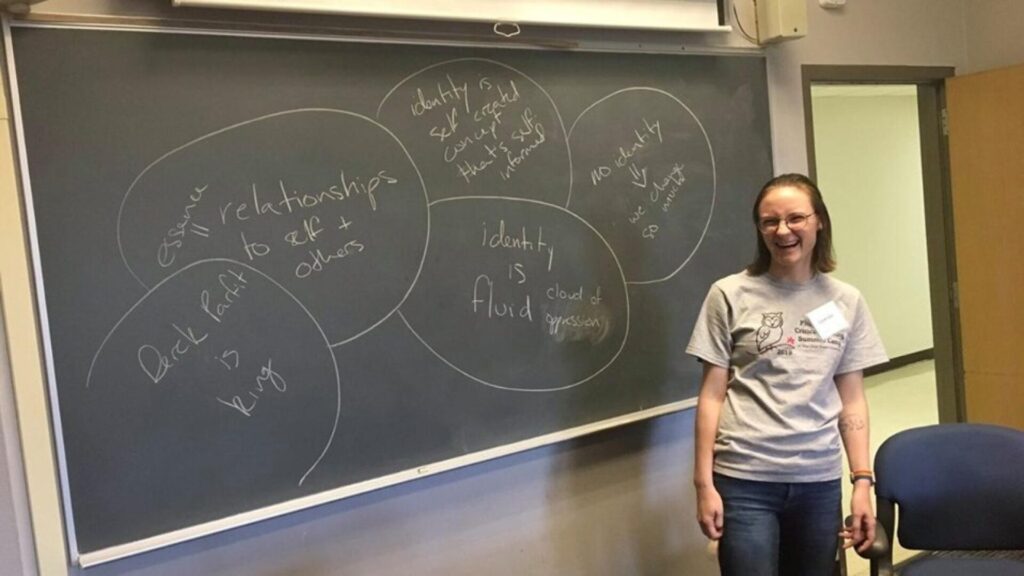
PACT Summer Camp brings a contemporary focus to philosophy summer programs for high school students, introducing you to topics like artificial intelligence, identity, and ethics through lectures, media, and discussions. You analyse arguments, debate ideas, and work through real-world examples. Sessions are interactive, so you spend time questioning and responding rather than just listening.
You also reflect on how these ideas connect to modern issues. The program includes presentations where you share your thoughts. The pace is structured but approachable. By the end, you understand how philosophical thinking applies beyond theory.
Why it stands out: It connects philosophy directly to current topics like AI and identity, making discussions feel relevant and grounded.
9. Question Everything Program at University of Massachusetts, Amherst
Location: Amherst, Massachusetts, USA
Cost: Fully funded; free programme with full scholarship
Acceptance rate/cohort size: Not specified
Dates: 3 weeks; July 19th – August 8th
Application Deadline: April 6th
Eligibility: Rising Grade 12 students from Springfield and Holyoke, U.S.; not open broadly to international students
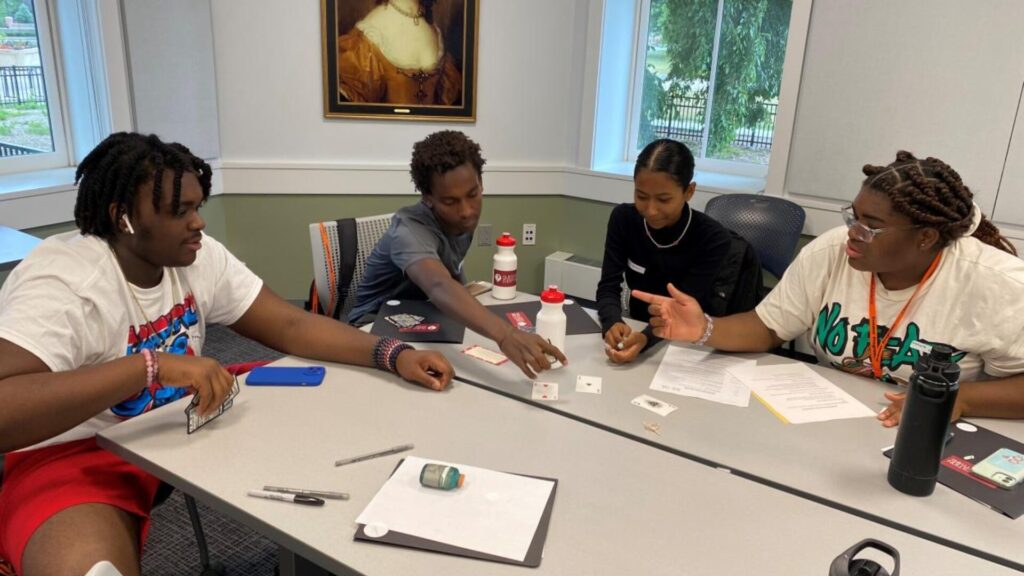
In this program, you can explore core questions in political philosophy and metaphysics through a structured three-week residential program centered on a yearly theme such as freedom and liberty. You will participate in interactive lectures, discussions, mock trials, and role-play activities led by university faculty and teaching assistants. The program emphasizes college-level reading, writing, and oral communication, helping you build academic skills relevant for future coursework.
You will also conduct independent research and present your ideas to peers, simulating a college seminar environment. Alongside academic sessions, you will experience campus life, including dorm living and access to university facilities. The program also provides guidance on college applications and financial aid, supporting your transition to higher education.
Why it stands out: It combines a fully funded residential experience with college credit, targeted support for underrepresented students, and continued mentorship during the school year.
10. Philosophy Camp at Portland State University
Location: Portland, Oregon, USA; on-campus, online, or partner schools
Cost: $75-$220 per credit; no stipend; some financial aid available
Acceptance rate/cohort size: Not specified; some programmes recommend around 15+ students
Dates: Typically 2-4 weeks; summer example: July 25th – August 7th
Application Deadline: Varies; for example, April 24th for the summer programme
Eligibility: High school students, usually ages 15-19; open to international students for summer or open-enrolment programmes, while dual-credit options are mainly for U.S.-based students
Philosophy Camp at Portland State University allows you to explore foundational and contemporary topics in philosophy through a discussion-based summer course designed for high school students. The program focuses on critical thinking and academic writing, allowing you to engage with areas such as political philosophy, applied ethics, philosophy of science, and philosophy of art.
You will work closely with a university faculty member to develop a major project, which introduces you to college-level expectations and independent inquiry. The interactive format encourages structured dialogue and analytical reasoning, helping you refine your ability to construct arguments and evaluate perspectives. By earning college credit through a Portland State transcript.
Why it stands out: The program combines college credit with a faculty-guided research project, offering structured exposure to multiple philosophy disciplines in an interactive, discussion-driven online format tailored specifically for high school students.
11. Zephyr Institute’s Philosophy Camp
Location: Stanford University, USA
Cost: $465; no stipend
Acceptance rate/cohort size: Not specified; limited seats
Dates: 1 week; June or late July session
Application Deadline: April 30th
Eligibility: Grades 10-12 and incoming college freshmen; no prior experience required; international students not explicitly restricted but must attend in person
Zephyr Institute’s Philosophy Camp runs through seminars where you study ethics, political thought, and epistemology. The program introduces you to key areas such as ethics, political philosophy, and epistemology, while encouraging critical thinking and analytical writing. You can expect small-group learning that emphasizes debate, argument construction, and engagement with classic and contemporary texts.
The camp also provides exposure to an academic environment similar to university-level humanities study, helping you build skills relevant to college applications in philosophy and related fields. By participating, you develop the ability to articulate complex ideas clearly and evaluate multiple perspectives.
Why it stands out: Its Stanford-based setting, combined with seminar-style teaching and emphasis on discussion-driven learning, offers early exposure to university-level philosophy.
12. Philosophy Camp at Oakland University
Location: Hosted in Rochester, Michigan, USA at Oakland University
Cost: Approx. $650-$675; scholarships available
Acceptance rate/cohort size: Not specified; small cohort
Dates: July 13-17; one week
Application Deadline: Not specified
Eligibility: Open to high school students in grades 9-12; international eligibility not clearly specified
Oakland University’s Philosophy Camp introduces you to logic, ethics, and political philosophy through lectures and group discussions. You work through texts and examples, learning how to analyze arguments. Sessions include interactive activities that push you to think and respond quickly.
You also explore how philosophy connects to everyday issues. The environment is collaborative, with constant exchange of ideas. It gives you a clear introduction to academic philosophy. By the end, you improve how you think and communicate.
Why it stands out: It offers a straightforward, structured introduction to philosophy with a strong focus on discussion and reasoning.
13. Columbia University Pre-college Programs (Philosophy of Mind)
Location: New York City, USA
Cost: Not specified; tuition-based; no stipend
Acceptance rate/cohort size: Small cohort; 24 students, estimated
Dates: June 29th – July 17th; three weeks
Application Deadline: Not specified
Eligibility: High school students in grades 9-12; open to international students
Columbia’s Philosophy of Mind course explores questions about consciousness, identity, and how the mind relates to the body. You study theories like dualism and physicalism while reading and discussing philosophical texts, and also connect these ideas to neuroscience and cognitive science. Classes involve both discussion and written assignments.
You are expected to analyze arguments and build your own position. The course feels academic and structured. By the end, you will have completed coursework that reflects college-level expectations.
Why it stands out: It connects philosophy with neuroscience and cognitive science at a top Ivy League university, which adds depth and relevance.
14. University of Chicago Pre-College: Philosophy Tracks
Location: Hosted at the University of Chicago, Chicago, USA
Cost: $9,300; need-based financial aid available
Acceptance rate/cohort size: Not specified
Dates: Three weeks; June 15th – July 2nd, with arrival on June 13th and departure on July 3rd
Application Deadline: Not specified
Eligibility: Open to high school students in grades 9-11; international students can apply
You can explore how philosophical thinking responds to fundamental aspects of human life, particularly mortality and social injustice. The course introduces you to questions about how fear of death shapes human behavior and how individuals develop meaning in the face of ethical and political challenges. You engage with both classical and contemporary texts, including thinkers such as Socrates and the Buddha, while connecting these ideas to present-day issues.
The program follows a seminar-style format, emphasizing discussion, critical thinking, and written analysis through multiple essays. This structure helps you build skills in argumentation and academic writing, which are central to humanities disciplines and valuable for future college coursework in philosophy, political theory, or related fields.
Why it stands out: The program combines philosophical inquiry with real-world issues like injustice and mortality, while emphasizing discussion-based learning and intensive writing.
15. Minds Underground Philosophy Summer School
Location: Online; live via Zoom
Cost: £512; no stipend
Acceptance rate/cohort size: Not specified; small class sizes
Dates: Eight weeks; July-August, weekly sessions
Application Deadline: Not specified; rolling
Eligibility: Aimed at students aged 15-18, primarily Year 12 but open to younger students; open to international students
For students looking for online philosophy summer programs for high school students with application support, Minds Underground runs seminars where you study topics like dualism, identity, and arguments about existence in small groups. You attend weekly sessions where tutors guide discussions and push you to think more precisely. You are expected to speak, question, and build arguments during each class. The programme also includes guidance on writing personal statements and preparing for interviews.
Sessions are recorded, so you can revisit ideas and refine your understanding. The teaching style is close to Oxbridge tutorials. By the end, you are more comfortable handling abstract ideas and explaining them clearly.
Why it stands out: It mirrors Oxbridge-style teaching and directly connects philosophy learning with university applications.
Turn Big Questions Into University Readiness
A good philosophy programme does more than introduce famous thinkers; it teaches you to define terms and defend ideas clearly.
Across these 15 philosophy summer programs for high school students, you’ll explore ethics, logic, politics, consciousness, metaphysics, and critical thinking.
Whether through seminars, tutorials, AI ethics, college credit, or residential study, each experience gives you ideas to reflect on later.
Want to turn those reflections into stronger applications? Explore our University Preparation blogs for personal statement tips, interview advice, writing support, and supercurricular inspiration.