



 Русский (RU)
 Українська (UK)
 Türkçe (TR)
 Italiano (IT)
 Français (FR)
 Português (PT)
 中文 (中国) (ZH)
 Español (ES)
 日本語 (JA)
 ไทย (TH)
 Deutsch (DE)
 Ελληνικά (EL)
 Polski (PL)
 Bahasa Indonesia (ID)
 Nederlands (NL)
 العربية (AR)
 한국어 (KO)

Veterinary studies programs in Australia for high school students give you an early look into the fast-moving world of animal health, biomedical science, and clinical care. Through university-style lectures, laboratory sessions, case-study discussions, and hands-on practical learning, you begin developing the advanced scientific and problem-solving skills used by real veterinarians and researchers.
These programmes introduce you to core areas such as animal anatomy and physiology, disease diagnosis, animal welfare, epidemiology, microbiology, and wildlife conservation, while also teaching how veterinary professionals use tools like diagnostic imaging, laboratory testing, and clinical observation in practice. They immerse you in collaborative learning environments that mirror university life, allowing you to engage with researchers, academics, and peers while building confidence, independence, and academic experience before college.
Why study veterinary science in Australia as a high school student?
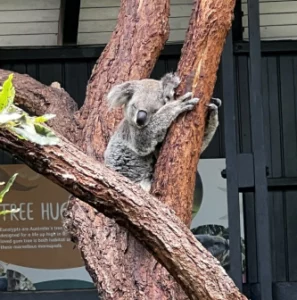
Australia’s geography also creates learning opportunities that are difficult to replicate elsewhere. You can explore everything from livestock and equine medicine to marine biology and wildlife rehabilitation involving native species such as kangaroos, koalas, and reptiles.
The country’s strong emphasis on One Health, the intersection of animal, human, and environmental health , gives you exposure to real-world challenges in biosecurity, zoonotic disease management, and conservation science. Combined with Australia’s safe, multicultural cities and highly international student communities, these programs offer an academically rigorous and globally relevant introduction to veterinary studies.
Below, we have carefully curated and listed 15 veterinary studies programs in Australia for high school students.
For related opportunities, consider summer programs in Australia, medicine summer program, and the online biology program.
15 Veterinary Studies Programs in Australia for High School Students
1. FEAST – Future Experiences in Agriculture, Science and Technology
Location: UQ Gatton campus, Queensland, Australia
Cost/Stipend: $550; fee waivers and travel bursaries available
Acceptance rate/cohort size: Selective; limited cohort size due to high demand
Dates: 28th June – 1st July
Application Deadline: April 27th
Eligibility: High school students in Years 10, 11, or 12; participants may attend FEAST only once; not open to international students
You spend four days at UQ’s Gatton campus immersed in agriculture, animal, plant, and food sciences, with hands-on activities that connect directly to veterinary study pathways. Through workshops in UQ’s teaching labs, you engage with animal anatomy and explore the biological structures relevant to veterinary science.
You attend sessions led by UQ academics and industry professionals on issues such as biosecurity, wildlife conservation, and food security, which intersect closely with modern veterinary practice. You meet current UQ students and staff, tour campus facilities, and live in UQ’s Halls of Residence to experience university life firsthand. Evening social and sporting activities round out a realistic preview of studying animal-focused sciences at UQ Gatton.
Why it stands out: It combines four days of residential university life with hands-on animal anatomy and laboratory activities at UQ Gatton, giving you a practical taste of the disciplines that lead into veterinary and animal science study.
2. Immerse Education’s Sydney Veterinary Studies Summer School
Location: University of Sydney, Sydney, Australia
Cost: Varies by format; summer school scholarship available through our bursary programme
Acceptance rate/cohort size: Selective; small groups (average of 7 participants per class)
Dates: Multiple 2-week sessions across June-August
Application Deadline: Rolling admissions
Eligibility: Students aged 13-18; open to international students
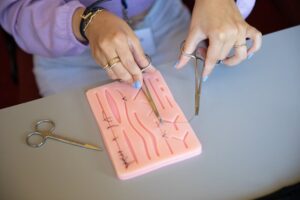
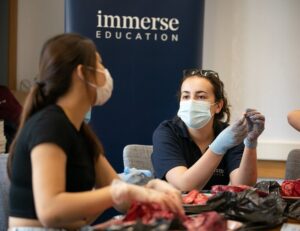
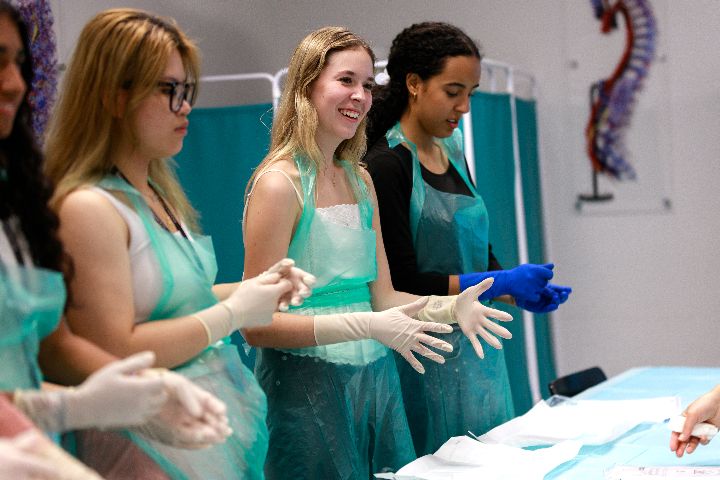
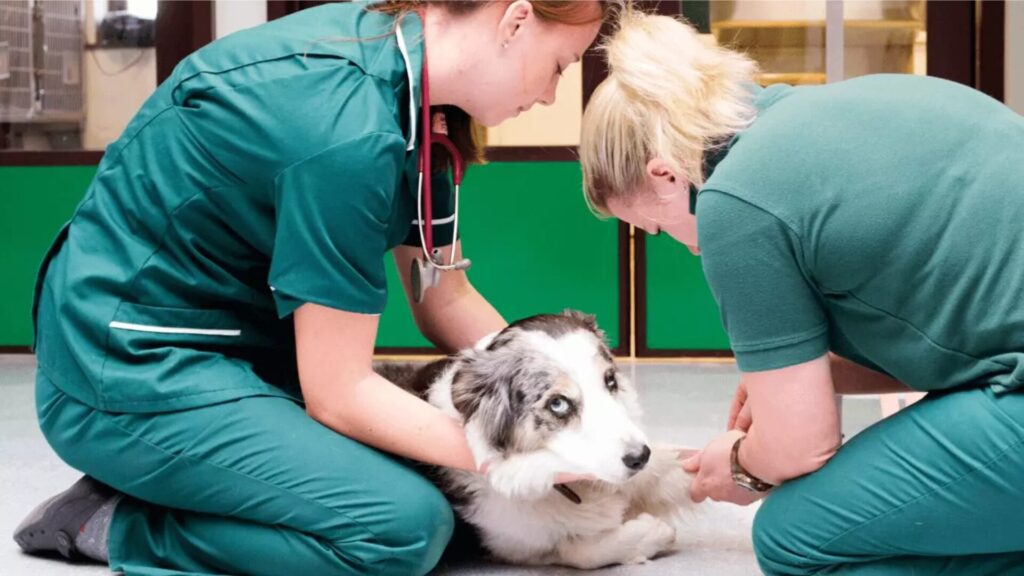
Immerse Education’s Sydney Summer School provides one of the most university-focused veterinary studies programs in Australia for high school students, introducing you to the scientific and ethical foundations of veterinary medicine through university-style teaching and case-based learning. You explore topics such as animal physiology, disease diagnosis, treatment approaches, and animal welfare, guided by experienced tutors. The programme uses seminars, group discussions, and real-world case studies to help you understand how veterinary professionals assess and treat different species.
You also develop analytical and communication skills through collaborative projects and guided assignments. The in-person experience includes living in a Cambridge college environment, giving you insight into university life while studying a specialized subject. By the end, you receive a certificate and personalized feedback, helping you evaluate your interest in pursuing veterinary science further.
Why it stands out: Offers a focused introduction to veterinary science in a university-style setting, combining subject-specific learning with a realistic preview of studying at a leading academic institution.
3. Certificate II in Animal Care ACM20121 – High School Program
Location: UQ Gatton, Queensland, Australia
Cost: Fee-free for eligible VETiS students; full fee is approximately $3,730
Acceptance rate/cohort size: Selective; typically 20-25 students per practical class
Dates: Begins in January each year; delivered over 12 months across 4 high school terms
Application Deadline: Rolling applications
Eligibility: Students in Years 10, 11 or 12 at an approved high school; parent/guardian and school approval required; LLN test and USI required during enrolment
You study animal care through UQ Skills’ nationally recognised Certificate II in Animal Care, designed for senior secondary students interested in animal care and future veterinary pathways. The program combines online and in-person learning, with UQ Gatton attendance either one day per week in the Gatton-based model or 3–4 days each term in the school-based model.
You cover animal care hygiene routines, basic animal first aid, workplace communication, health and safety, and sustainable work practices. Practical units include feeding and watering animals, caring for domestic dogs and cats, providing enrichment, assisting in animal health care, and carrying out daily practice routines. Assessment includes written exams, reports, oral assessments, and practical demonstrations.
Why it stands out: It gives high school students a structured, nationally recognised animal care qualification at UQ Gatton with direct practical relevance to later veterinary nursing study.
4. Wild Vets at Perth Zoo
Location: Perth Zoo, Perth, WA
Cost: $120
Acceptance rate/cohort size: First-come, first-served; maximum group size 18 people
Dates: Single-day sessions held during Western Australian school holidays (e.g., April, July)
Application Deadline: Rolling until fully booked
Eligibility: Suitable for students in Year 9 to Year 12; for the January School Holidays, the year level relates to the school year you are about to commence; open to international students
Wild Vets is a school holiday program for Year 9 to Year 12 students at Perth Zoo. The program gives participants a hands-on look at what it is like to work with zoo animals and learn from Perth Zoo veterinarians. It includes a day spent behind the scenes with a zoo vet, which makes the experience more focused on veterinary work than a general animal-care visit.
The page describes the animals as ranging from tiny frogs to rhinos, so the program appears to cover both native Australian fauna and exotic wildlife. The duration is 6.5 hours, which suggests it is a one-day experience rather than a multi-day course.
Why it stands out: It is a short, structured, zoo-based veterinary experience with a small group size and direct exposure to a working zoo vet.
5. Taronga Conservation Society Certificate II in Animal Care (High School)
Location: Taronga Zoo, Sydney, NSW; Taronga Western Plains Zoo, Dubbo, NSW; Currumbin Wildlife Sanctuary, Gold Coast, QLD
Cost: Costs change by state; QLD: From $2,950
Acceptance rate/cohort size: Competitive; around 24 students
Dates: Sydney: January 19th – June 22nd or January 20th – June 23rd; Dubbo: February 19th – September 17th
Application Deadline: Not specified
Eligibility: NSW: Year 11 or 12 students. QLD: Year 11 or 12 students, or Year 10 turning 16; students must be Australian citizens, permanent residents, New Zealand citizens residing in Australia, or hold an acceptable visa, and must have school and parent/guardian approval; not open to international students
This is an entry-level animal care qualification delivered through Taronga Training Institute. The course is designed for students in Years 11 and 12, and it combines classroom learning, online study, and practical days. You learn animal handling, feeding, grooming, health, and hygiene practices across real animal care settings.
The Sydney and Dubbo versions use a blended model, while the Queensland version at Currumbin Wildlife Sanctuary also includes practical placement days. Taronga states that admission is merit-based rather than first-come, first-served. You also need written permission from your school and parent or guardian, and you must be able to travel to the campus yourself.
Why it stands out: It is the clearest university-style, school-linked animal care pathway with multiple Australian locations and a structured mix of study formats.
6. Zoos Victoria Secondary school work experience
Location: Kyabram Fauna Park, Kyabram, VIC; Healesville Sanctuary, Healesville, VIC; Melbourne Zoo, Melbourne, VIC; Werribee Open Range Zoo, Werribee, VIC
Cost: None
Acceptance rate/cohort size: Highly competitive; maximum of one endorsed student per school campus per year, except at Kyabram Fauna Park
Dates: Placements commence from Term one to Term four
Application deadline: September 11th
Eligibility: Secondary school students interested in animal care, wildlife and conservation; not open to international students
The Zoos Victoria Secondary School Work Experience program immerses you in the daily realities of a wildlife conservation organisation. During your five-day placement, you will explore vital topics like animal husbandry, environmental sustainability, and behind-the-scenes zoo management. You will participate in essential activities such as preparing animal diets, performing habitat maintenance, observing conservation initiatives, and shadowing professional zookeepers.
A unique feature of this program is its rotational structure, sending you through diverse departments like horticulture and visitor experience instead of focusing solely on animals. Although you will not directly handle the wildlife, you will develop valuable skills in teamwork, manual labor, and applied conservation practices.
Why it stands out: It offers a highly realistic, cross-departmental glimpse into the daily operations of a major zoo, proving that protecting endangered species relies on a massive team effort far beyond just direct animal care.
7. Certificate II in Animal Care – TAFE Queensland
Location: Greater Brisbane and Gold Coast, Queensland
Cost: None
Acceptance rate/cohort size: Selective; cohort sizes vary by participating location
Dates: 4 terms starting July 13th
Application Deadline: Timelines are managed internally by participating high schools
Eligibility: Enrolled as a high school student in Queensland; application managed by a school VET coordinator; international student eligibility depends on visa and school policies
In this program, you will gain foundational skills to begin a career as a veterinary assistant or animal shelter attendant. Among veterinary studies programs in Australia for high school students, this option is especially practical, with hands-on coursework focused on ethical animal handling, hygiene, and daily care routines. In practical workplace settings, you will practise securing animals for assessment and assisting experienced staff with health care treatments and basic first aid.
Throughout the four-term course, you will learn to navigate workplace health and safety processes and document veterinary treatments accurately. By collaborating with community partners and working in real animal care environments, you will develop the practical and technical competencies needed for entry-level veterinary support roles.
Why it stands out: It integrates practical industry placements with your regular curriculum, allowing you to earn a nationally recognized veterinary support qualification while completing your senior school studies.
8. Youth at the Zoo (YATZ)
Location: Taronga Zoo, Sydney, NSW; Taronga Western Plains Zoo, Dubbo, NSW
Cost: About $350 to $430 per year; some scholarships are offered
Acceptance rate/cohort size: Competitive; limited spots
Dates: All year (January to December), mostly during school holidays
Application Deadline: Usually May and November
Eligibility: Teens aged 13-19 years old; not open to international students
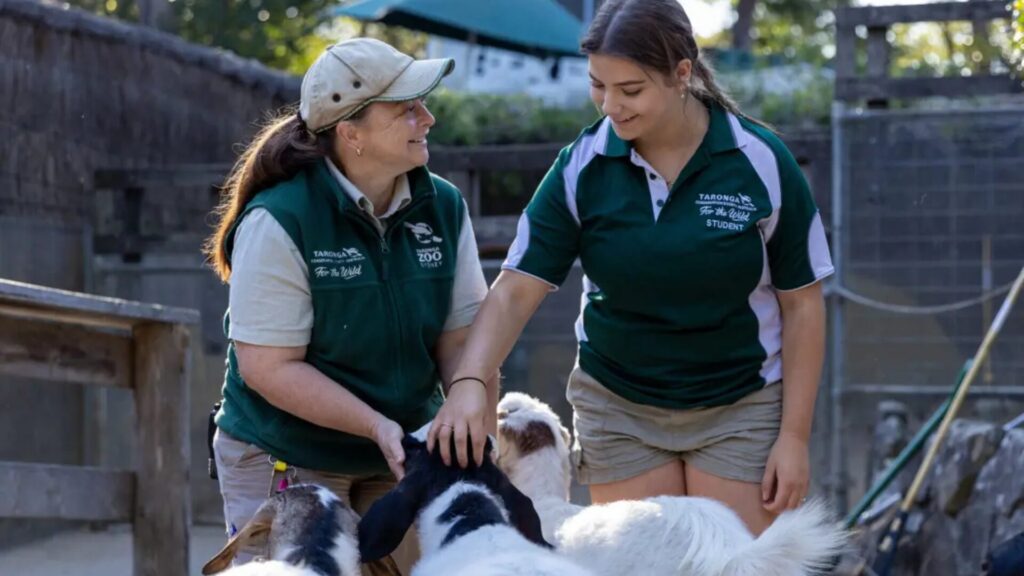
Youth at the Zoo is a teen program run through Taronga that focuses on zoo operations, conservation, volunteering, and skill development. The program is open to young people aged 13 to 19 and is available through Taronga’s Sydney and Dubbo sites based on the application links provided. You can join training programs, volunteer with Guest Experience Operations and Education Teams, support special events, and take part in community campaigns.
It also includes opportunities to build communication skills and manage availability through Taronga’s volunteer management system. As members get older, they can take on added responsibilities such as overnight program training or leadership and mentoring roles.
Why it stands out: It is a structured zoo-based youth program that gives teenagers recurring exposure to animal, conservation, and education environments over time rather than in a one-day format.
9. TAFE SA – Certificate II in Animal Care – School Students
Location: Gilles Plains campus, Adelaide, South Australia
Cost: $260 subsidised co-payment plus $50 incidental fee for scrub top and PPE
Acceptance rate/cohort size: Competitive; intake limited per campus
Dates: Semester 2 commencement; 6-month part-time course delivered across 13 weeks
Application Deadline: Submitted through your school via the Flexible Industry Pathways pathway
Eligibility: Currently undertaking SACE or equivalent as a Year 10, 11, or 12 student in South Australia; meet Flexible Industry Program eligibility criteria; access to a computer, internet, and headset for online tutorials; ability to manage own allergies or phobias relevant to animal contact and meet the physical demands of manual handling; not open to international students
In this program, you step into a practical entry pathway into the animal care industry while completing your South Australian Certificate of Education (SACE), earning up to 55 Stage 1 credits. Across 13 weeks at the Gilles Plains campus, you handle multiple animal species, complete hygiene routines, feed and water animals, and assist in animal health care under supervision.
You also develop foundational veterinary skills, including basic animal first aid, safe handling of calm animals, and animal care reception duties. Coursework blends one campus day weekly with three-hour online tutorials each Tuesday and Thursday, plus workplace health and safety training. This certificate is the prerequisite to the Certificate IV in Veterinary Nursing, opening a direct path into formal veterinary nursing study.
Why it stands out: It serves as the official prerequisite to the Certificate IV in Veterinary Nursing while delivering up to 55 SACE Stage 1 credits and direct, supervised contact with multiple animal species, all within a subsidised $260 co-payment for South Australian high school students.
10. TAFE SA – Introduction to Veterinary Nursing
Location: Gilles Plains, South Australia
Cost: $320
Acceptance rate/cohort size: Selective; cohort size not specified
Dates: July 27th – September 14th
Application Deadline: Rolling admissions
Eligibility: Year 10 or Year 11; school student undertaking SACE; attracts 10 Stage 1 SACE credits; not open to international students
In this program, you study veterinary nursing through a short TAFE SA school course built for Year 10 and Year 11 students completing SACE. Across the course, you develop basic animal-handling and restraint skills, carry out general health checks, learn about administering health-care treatments, and work with information on animal products and services.
The emphasis is on practical veterinary-care preparation across multiple animal species rather than a broad animal-care survey. The course carries accredited units in assisting animal health care and sourcing/providing animal-care information, with 10 Stage 1 SACE credits. You study at Gilles Plains, within TAFE SA’s animal studies environment connected to its Veterinary and Applied Science Centre and veterinary clinic facilities.
Why it stands out: It gives school students a short, SACE-credit pathway into practical veterinary nursing skills through TAFE SA’s dedicated animal studies and veterinary nursing training environment.
11. TAFE SA – Advanced Animal Care 2
Location: Gilles Plains, South Australia
Cost: $560
Acceptance rate/cohort size: Selective; small class groups
Dates: July 30th – October 29th (11 days total, every Thursday)
Application Deadline: Registration forms must be forwarded to TAFE SA (Schools@tafesa.edu.au) within 2 business days of accessing the form via a school VET coordinator
Eligibility: Year 12 high school students; completion of Certificate II in Animal Care preferred; disclosure of animal phobias or allergies required; not open to international students
This short course at TAFE SA gives you a practical introduction to the veterinary studies field. You will spend 11 days at the Gilles Plains campus working directly with multiple animal species. The classes focus on the daily jobs that veterinary clinics need, like setting up toys and activities to keep animals busy.
You also learn how to safely clean animal areas and stop the spread of germs. Furthermore, you practice ways to improve the mood and comfort of animals in cages or shelters. Giving you 20 Stage 2 SACE credits, this class helps you build real workplace skills before you commit to a full degree.
Why it stands out: It lets you earn school credits while handling different animals and learning real ways to stop germs in a clinical setting.
12. Central Regional TAFE WA – Certificate II in Animal Care
Location: Geraldton and Northam campuses, Western Australia
Cost/Stipend: Tuition charged per unit across 12 required units; maximum course fee is up to $420
Acceptance rate/cohort size: Open enrolment; cohort size varies by campus and intake
Dates: Duration of one semester on campus or six months online
Application Deadline: Rolling admissions
Eligibility: Year 10 pass and demonstrable language, literacy, and numeracy skills preferred; access to a computer and internet required to participate; readiness to meet physical demands such as bending, kneeling, animal handling, and working outdoors in variable weather conditions; not open to international students
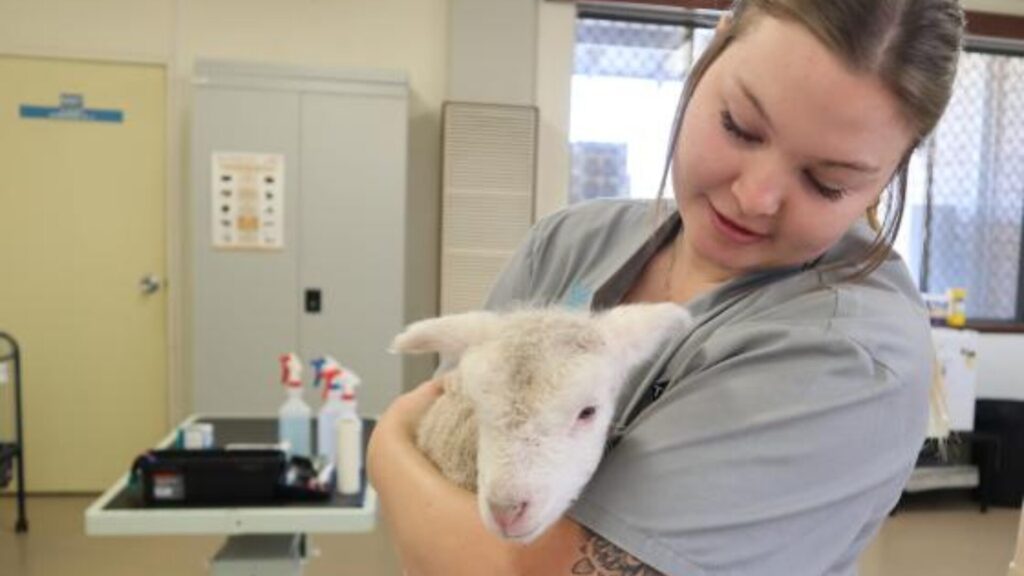
In this program, you learn to feed and water animals, complete animal care hygiene routines, assist in animal healthcare, provide basic animal first aid, and follow workplace health and safety procedures. It adds a clinic-connected option to this list of veterinary studies programs in Australia for high school students, as the Geraldton campus lets you train alongside the on-site Veterinary Student Clinic, which operates as a working clinic open to the public for consultations and procedures.
You gain hands-on exposure to companion animals such as dogs, cats, rodents, and rabbits while developing workplace communication and reception skills. The qualification leads directly into Certificate III in Animal Care Services and Certificate IV in Veterinary Nursing.
Why it stands out: It pairs entry-level animal-care training with on-site access to Central Regional TAFE’s Veterinary Student Clinic at the Geraldton campus, a working clinic open to the public, giving you a direct hands-on stepping stone toward the Certificate IV in Veterinary Nursing.
13. TAFE Gippsland – Certificate II in Animal Care – VDSS
Location: Bairnsdale, Leongatha, Morwell, Warragul Baw Baw Skills Centre, and Sale (Gtec) campuses, Victoria, Australia
Cost/Stipend: Fees apply but subsidised through Victorian and Commonwealth Government funding
Acceptance rate/cohort size: Non-competitive; cohort scale varies by campus
Dates: Two-year course
Application Deadline: Applications coordinated through your school’s Career Advisor or VDSS Coordinator on the school’s enrolment timeline
Eligibility: Enrolled in a participating Victorian secondary school through the VET Delivered to Secondary Students pathway; access to at least two different species of animals such as a cat, dog, or bird; nil course pre-requisites; not open to international students
In this program, you begin a pathway toward veterinary work through a nationally recognised qualification that introduces foundational animal care skills used in veterinary clinics, shelters, kennels, catteries, and sanctuaries. Across two years, you study units covering basic animal first aid, assisting in animal health care, completing animal care hygiene routines, feeding and watering animals, and providing general care of domestic dogs and mammals.
Your learning blends classroom sessions with excursions, industry visits, guest speakers, case studies, and peer-to-peer practical work guided by specialist trainers. Completion supports articulation into the Certificate III in Companion Animal Services and Certificate IV in Veterinary Nursing at TAFE Gippsland.
Why it stands out: It pairs nationally recognised animal care training with embedded VCE and VCE Vocational Major credit, recommended structured workplace learning, and a direct articulation pathway into TAFE Gippsland’s Certificate IV in Veterinary Nursing.
14. Certificate III in Animal Care Services – ACM30122
Location: Gilles Plains, South Australia
Cost: $3,667-$7,334 full fee ($1,938–$3,876 subsidised)
Acceptance rate/cohort size: Competitive; cohort size not specified
Dates: Varies by intake; 12 months duration
Application Deadline: Varies by intake
Eligibility: Individuals with no formal academic requirements; requires access to a computer with an internet connection; must be an Australian resident; not open to international students
In this 12-month blended academic program, you engage in practical coursework and experiential learning designed to prepare you for veterinary and animal care careers. You develop essential skills in animal handling, health monitoring, and companion animal husbandry routines. Through on-campus sessions at the Veterinary and Applied Science Centre, your academic engagement focuses on infection control, animal behavior analysis, and conducting basic animal first aid.
You learn to assess the welfare status of diverse species, from domestic pets to non-venomous reptiles, while managing proper nutritional requirements. Additionally, you practice workplace communication and reception duties essential for clinical veterinary settings. This comprehensive curriculum provides the foundational clinical exposure and handling expertise needed for advanced veterinary nursing pathways.
Why it stands out: It blends online learning with hands-on practice at a specialized science center to build foundational clinical competencies for future veterinary nurses.
15. Keeper Careers at Perth Zoo
Location: Perth Zoo, South Perth, Western Australia
Cost/Stipend: Paid ticketed school-holiday session; exact public ticket price varies by cycle
Acceptance rate/cohort size: Open booking; small-group single-day session
Dates: Western Australian school holiday periods
Application Deadline: Open until full
Eligibility: Currently enrolled in Year 9 to Year 12 of high school; not open to international students
In this program, you spend a school-holiday day at Perth Zoo in South Perth learning what it takes to work with the Zoo’s animals, with behind-the-scenes access to areas the public never sees. This keeper-focused experience broadens the range of veterinary studies programs in Australia for high school students by showing how animal observation, welfare, and husbandry support future veterinary care.
You meet Perth Zoo keepers, are introduced to some of the Zoo’s residents, and hear about the daily realities of their role. The day centres on the keeper pathway rather than clinical veterinary work, but exposure to animal welfare, observation, and care speaks directly to a veterinary mindset.
Why it stands out: It pairs behind-the-scenes Perth Zoo access with direct contact with working keepers, giving a Year 9–12 student a clearer reality check on an animal-care or veterinary path than a standard zoo visit.
Using Your Australian Experience to Think Globally
Australia’s veterinary settings can widen your view of animal care, from wildlife conservation and biosecurity to clinical routines, diagnostics, and One Health thinking early on.
The 15 veterinary studies programs in Australia for high school students listed here show how animal science connects with university learning, research, and global careers.
As you compare experiences, notice which path feels most meaningful: veterinary nursing, wildlife medicine, livestock health, marine conservation, biomedical science, or research in practice.
Could this first Australian step lead to study abroad? Explore our Study Abroad blogs for destination guides, application advice, and international student insights.