
 Русский (RU)
 Українська (UK)
 Türkçe (TR)
 Italiano (IT)
 Français (FR)
 Português (PT)
 中文 (中国) (ZH)
 Español (ES)
 日本語 (JA)
 ไทย (TH)
 Deutsch (DE)
 Ελληνικά (EL)
 Polski (PL)
 Bahasa Indonesia (ID)
 Nederlands (NL)
 العربية (AR)
 한국어 (KO)
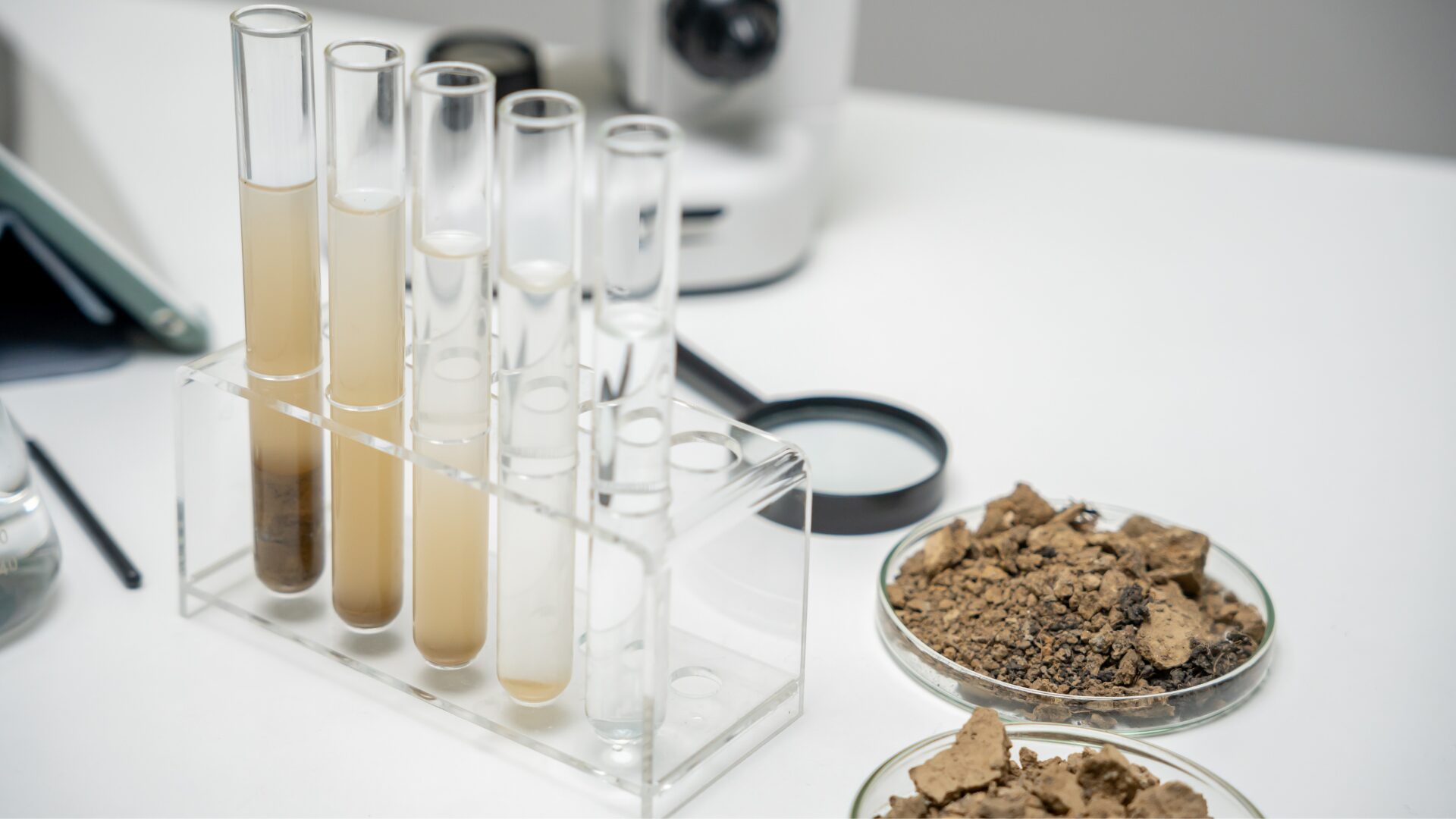
If you’re a high school student fascinated by the natural world, you may already enjoy studying biology, chemistry, physics, or environmental science. But beyond textbooks and classroom experiments, you might still wonder what studying these subjects at a deeper, real-world level actually looks like. Natural sciences summer programs for high school students offer one way to explore this through observation, experimentation, and discovery in more practical settings.
Imagine spending your summer in a university lab, a research institute, or even out in the field, conducting experiments, analysing data, and working alongside scientists. Picture exploring ecosystems, studying chemical reactions, or investigating physical phenomena while collaborating with peers who share your curiosity. These programmes combine academic learning with hands-on experience, helping you understand how scientific knowledge is applied in the real world.
How do you choose the right natural sciences summer programs for high school students?
With so many options available, it’s important to look for programs that offer meaningful, hands-on learning rather than just lectures. Some programs focus on lab-based research, while others emphasize fieldwork, interdisciplinary exploration, or project-based learning. Choosing the right fit depends on your interests, whether that’s ecology, chemistry, physics, or a mix of multiple fields.
Natural sciences summer programs may include lab experiments, field studies, research projects, and collaborative assignments. You might conduct experiments, collect and analyze data, or present your findings, mirroring the work done by scientists in academic and professional settings.
You’ll learn from experienced researchers and educators, collaborate with motivated peers, and develop essential skills such as critical thinking, problem-solving, and scientific communication. Along the way, you’ll gain a clearer understanding of what pursuing natural sciences at the university level might truly involve.
To help you get started, we’ve curated a list of 15 Natural Sciences Summer Programs for High School Students.
For adjacent opportunities, you can consider online STEM programs. For a research focus, you can check out STEM research opportunities.
15 Natural Sciences Summer Programs for High School Students
1. Summer Science Research Program (SSRP) @ Rockefeller University
Location: The Rockefeller University, New York, NY
Cost: No cost / Need-based travel stipends available
Dates: June 22nd – August 6th
Application Deadline: January 2nd
Eligibility: High school juniors and seniors, ages 16 and up; open to international students
SSRP is one of the most research-intensive natural sciences summer programs for high school students, offering a seven-week, full-time biology experience where you work on a mentored lab project at Rockefeller University. You’re placed in a small group with guidance from scientist-mentors across the Tri-Institutions, and you’ll develop a research question based on your team’s area of focus.
Over the course of the program, you learn core lab methods, work with data, and build an understanding of how experiments are planned and interpreted. By the end, you’ll put together a scientific poster and present your work at a closing symposium.
Why it stands out: It focuses on independent research, mentorship from eminent researchers, and a final poster presentation, providing you with valuable experience for STEM applications.
2. Immerse Education’s Natural Sciences Summer School
Location: Cambridge, UK
Cost: Varies by format; summer school scholarship available through our bursary programme
Dates: 2 weeks during the summer
Application Deadline: Multiple summer cohorts; rolling admissions
Eligibility: Students aged 13-18 currently enrolled in middle or high school; open to international students
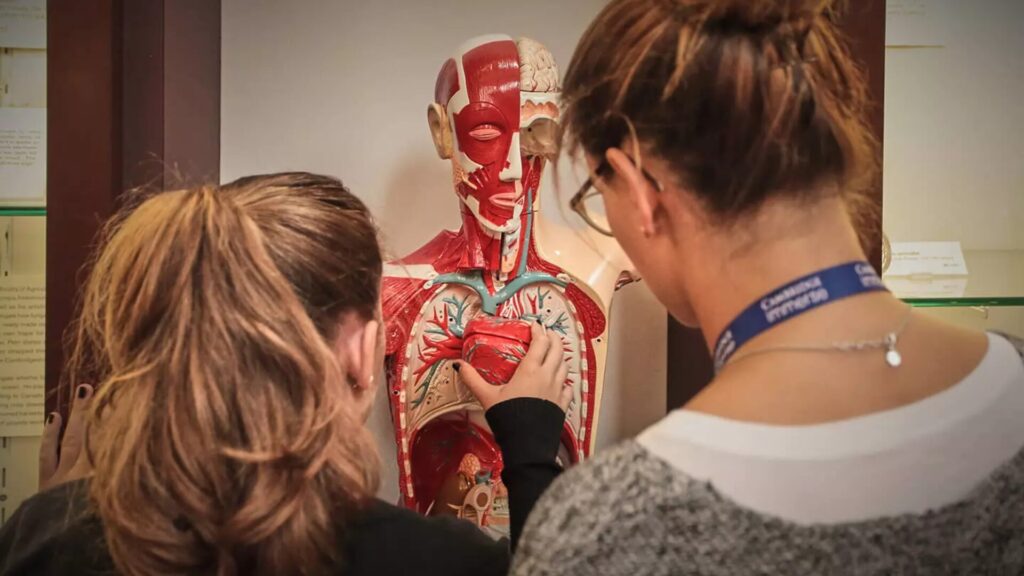
The Immerse Education Natural Sciences Summer School allows you to explore core scientific disciplines like biology, chemistry, and physics through an interdisciplinary, hands-on approach. You engage with key concepts through interactive lessons, experiments, and real-world case studies that bring scientific theory to life. You also work on a personal research project, helping you develop critical thinking, problem-solving, and analytical skills.
The program is available both online and in-person (including at Cambridge), giving you flexibility in how you learn.Through collaborative workshops and mentorship, you build confidence in tackling complex scientific problems. By the end, you develop a strong academic foundation in natural sciences and a clearer understanding of future study and career pathways. You can find more details about the application here.
Why it stands out: You’ll study under expert academics, be guided daily by a university student mentor, complete a project you can show in future applications, and experience genuine university college life .
3. Stanford Institutes of Medicine Summer Research (SIMR) Program
Location: Stanford School of Medicine, Stanford, CA
Cost: $50 non-refundable application fee / Limited needs-based stipends are available
Dates: June 8th – July 30th
Application Deadline: February 21st
Eligibility: High school juniors and seniors at least 16 years old, who are U.S. citizens or permanent residents; not open to international students
The Stanford Institutes of Medicine Summer Research Program is an eight-week research program where you work in a biomedical lab at Stanford University. You’re assigned to a research group and learn how experiments are planned, how data is collected and analyzed, and how results connect to real medical questions.
You’ll work alongside graduate students and postdoctoral researchers, which gives you a clearer picture of how academic research teams operate. Your day-to-day experience depends on the lab you’re placed in, with possible areas including stem cell biology, cancer research, immunology, neuroscience, or bioengineering. In addition to lab work, you attend weekly sessions that introduce different study and career paths within medicine and scientific research.
Why it stands out: Its deep connections to Silicon Valley make it easier to transition to interdisciplinary courses such as biomedical entrepreneurship or AI-driven health research.
4. ASPIRE Internship at the Johns Hopkins Applied Physics Laboratory (APL)
Location: Johns Hopkins Applied Physics Laboratory campus, Laurel, MD, and Virtual
Cost: None
Dates: June 23rd – August 21st
Application Deadline: February 15th
Eligibility: High school students with a minimum 2.8 GPA; at least 15 years of age by June 1st; permanent residence in one of the following Maryland counties: Anne Arundel, Baltimore (County or City), Carroll, Frederick, Howard, Montgomery, Prince George’s; one of the following Virginia counties/cities: Alexandria, Arlington, or Fairfax; or the District of Columbia; U.S citizen (green card holders are not eligible); not open to international students
The ASPIRE Program is a summer experience where you explore STEM fields through project-based work at the Johns Hopkins Applied Physics Laboratory. You’re paired with mentors and work on tasks that reflect the kind of problems handled in a research and development environment. The focus is on applying what you know, working through challenges, and understanding how technical work is done in teams.
You typically spend 30–40 hours a week on-site, contributing to projects and observing how professionals approach problem-solving. Along the way, you can interact with staff, ask questions about their work, and get a clearer sense of different STEM career paths.
Why it stands out: It gives you exposure to applied physics and engineering projects, helping you bridge classroom learning with real technical problem-solving.
5. Houston Methodist’s High School Emerging Researcher Experience
Location: Houston Methodist Hospital, Texas Medical Center, Houston, TX
Cost: No cost / Stipend paid, amount not disclosed
Dates: June 8th – July 31st
Application Deadline: January 30th
Eligibility: U.S. high school juniors and seniors who will be at least 16 years old by the start of the program; not open to international students
The Houston Methodist Summer High School Research Internship is a program where you explore medical research within a hospital environment at Houston Methodist Research Institute. You work with faculty and research staff on lab-based projects, which may focus on areas like immunology, cell biology, or disease-related studies.
During the program, you’re introduced to basic research methods, data handling, and scientific writing. You also attend sessions on professional skills and have time to interact with researchers and other students. At the end, you present your project at a symposium, which helps you practice explaining your work clearly.
Why it stands out: It places you inside a major hospital research environment helping you see how clinical research directly informs patient care.
6. Scripps Research Translational Institute – Student Research Internships
Location: Scripps Research Translational Institute, La Jolla, CA
Cost: No cost / Stipend paid, amount not specified
Dates: June 1st – August 7th or June 15th – August 7th
Application Deadline: March 30th
Eligibility: High school students who are at least 16 by the internship’s start date; open to international students
This 10-week program introduces you to areas like translational science and precision medicine through a mix of guided sessions and mentored work. You attend discussions on topics such as digital health, clinical genomics, community engagement, and how studies are designed and analyzed. You may also observe how clinical trials are developed, including how researchers move from planning a study to reviewing results.
Your research experience depends on your mentor and may involve working with clinical or genomic data. By the end of the program, you give a presentation explaining a scientific concept to your peers, helping you build clarity in how you communicate research ideas.
Why it stands out: It places you in a leading biomedical research environment where you assist with translational science projects, giving you a strong early taste of lab-based research and clinical science.
7. MIT Research Science Institute (RSI)
Location: Massachusetts Institute of Technology (Cambridge, MA)
Cost: No cost except a $75 application fee
Dates: June 28th – August 8th
Application Deadline: Domestic students: December 10th; International students: Mid-March
Eligibility: 11th grade high school students; minimum age: 16 years; open to international students
The Research Science Institute is a summer program at Massachusetts Institute of Technology where you combine classroom learning with independent research. The program begins with a short period of coursework in subjects like biology, chemistry, physics, mathematics, and engineering, giving you a foundation before starting your project.
After that, you’re matched with mentors and spend several weeks working on an individual research project. You learn how to define a question, carry out your investigation, and organize your findings. The program ends with written and oral presentations, and you may also visit science and technology sites in the Boston area.
Why it stands out: You’ll have the opportunity to complete actual research projects at RSI’s cutting-edge labs that are ordinarily inaccessible to high school students.
8. Hutton Junior Fisheries Biology Program
Location: Placements available across the U.S., Puerto Rico, Canada, and Mexico
Cost: No cost / $3,000 stipend
Dates: June – August (eight weeks; exact dates set by the student and mentor)
Application Deadline: January 25th
Eligibility: Rising high school seniors and rising college freshmen, ages 16+; not open to international students
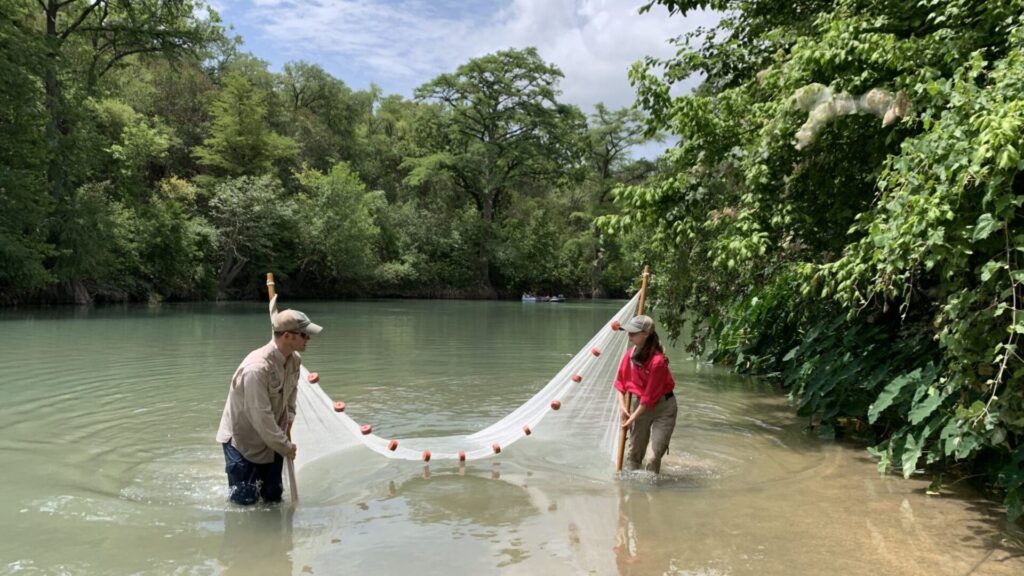
This eight-week internship places you with a fisheries professional to work on projects related to aquatic and environmental biology. You take part in both fieldwork and lab-based tasks, which may include surveying fish populations, testing water quality, supporting habitat restoration, analyzing specimens, and working with biological data. Your specific responsibilities depend on your mentor and project, and may involve time outdoors, including work on boats or at field sites.
The program focuses on one-on-one mentorship and gives you a clearer view of how ecological research and conservation work are carried out in practice. You’ll also be expected to handle physically demanding tasks and use methods commonly applied by working biologists.
Why it stands out: It immerses you in fisheries biology and ecological fieldwork, giving real-world exposure to conservation, marine biology, and environmental research.
9. Max Planck Florida Institute for Neuroscience (MPFI) High School Internship
Location: Max Planck Florida Institute for Neuroscience, Jupiter, FL
Cost: $14/hr
Dates: June 22nd – July 31st
Application Deadline: February 8th
Eligibility: High school students, ages 16 and up, who are entering their junior and senior year, are authorized to work in the U.S., and are residents of Palm Beach or Martin Counties (in Florida); not open to international students
The MPFI Summer Research Internship is a six-week, full-time program at the Mortimer B. Zuckerman Mind Brain Behavior Institute focused on neuroscience and related areas of biological research. You can choose a neuroscience track where you work with scientists on projects studying brain structure and function. This may involve lab techniques such as microscopy, histology, genetic methods, and basic microbiology preparation.
Other tracks focus on areas like programming, mechanical engineering, or coding, where you contribute to tools and support systems used in neuroscience research, including data analysis and instrumentation. Across all tracks, you are expected to produce a written abstract and give a final presentation summarizing your work.
Why it stands out: It introduces you to world-class biomedical and ecological research, helping you understand how international science institutions operate and collaborate.
10. ResearcHStart – University of Chicago and Partner Institutions
Location: Chicago and the Urbana-Champaign area
Cost: No cost / $3,000 stipend
Dates: June 15th – August 7th
Application Deadline: Typically, late January
Eligibility: High school juniors and seniors who are at least 16 years of age at the start of the program and are residents of Illinois or Lake County, Indiana; not open to international students
The ResearchStart Program places you in a university laboratory where you work on cancer research projects under supervision. You contribute to ongoing work in areas such as cancer immunology, bioengineering, or therapeutic development, following established lab protocols and completing assigned research tasks. Alongside lab work, you take part in workshops and lectures designed to build research skills and introduce different aspects of biomedical science.
You also receive guidance from faculty and peer mentors and attend sessions focused on academic and career development. The program concludes with a symposium where you present your work to mentors and other participants.
Why it stands out: It offers structured research engagement with medical faculty helping you see how clinical research questions are formulated and pursued.
11. Princeton University Laboratory Learning Program
Location: Princeton University, Princeton, NJ
Cost: None
Dates: 5-6 weeks during the summer (June to August)
Application Deadline: March 15th
Eligibility: Students enrolled in a New Jersey high school; minimum age: 16 years by June 15th; U.S. citizens or permanent residents; not open to international students
The Princeton University Laboratory Learning Program brings the keyword idea of natural sciences summer programs for high school students into a full-time, in-person research setting for local students at Princeton University. You take part in ongoing research projects under the supervision of faculty and research staff, gaining exposure to how scientific and engineering work is carried out in a university lab setting.
Your project depends on faculty availability each year, so you may work in different areas of science or engineering. Throughout the program, you contribute to assigned tasks and learn how research projects are structured and managed. At the end, you write a short report summarizing your work.
Why it stands out: You’ll work at active, existing Princeton labs and access high-level equipment that is typically reserved for university students.
12. Stanford Center for Artificial Intelligence in Medicine and Imaging (AIMI) Summer Research Internship
Location: Virtual
Cost: $2,400 + $45 application fee; financial aid is available
Dates: Session A: June 15-26; Session B: July 6-17
Application Deadline: February 20th
Eligibility: Students who are entering grades 9-12 in the fall, are at least 14 years old, and U.S. citizens, residents, or valid visa holders; not open to international students
The AIMI Summer Research Internship is a two-week virtual program where you explore how artificial intelligence is used in healthcare at Stanford University. You attend lectures that cover both introductory and technical topics, then apply what you learn through group projects. You’re guided by Stanford student mentors and researchers throughout the program.
There are also “Meet the Expert” sessions where you hear from professionals working in academia, industry, nonprofit organizations, and government. The program includes opportunities for informal interaction and ends with a certificate of completion.
Why it stands out: It combines introductory AI training with applied group work focused on healthcare use cases.
13. Stony Brook University’s Simons Summer Research Program
Location: Stony Brook University, Stony Brook, NY
Cost: No cost / Stipend paid, amount not disclosed
Dates: June 29th – August 7th
Application Deadline: February 5th
Eligibility: High school juniors; minimum age: 16; must be U.S. citizens or permanent residents; not open to international students
The Simons Summer Research Program places you in a research group at a university where you work on projects in science, engineering, or mathematics. You’re matched with a faculty mentor and contribute to an ongoing research project as part of their team.
During the program, you attend weekly research talks, workshops, and occasional events that give you context on academic research and university life. You may also join lab tours and similar activities. At the end, you present your work through a poster and a short abstract at a symposium.
Why it stands out: It gives you consistent participation in faculty-led research with a structured opportunity to present your work at the end.
14. NASA Johnson Space Center’s Texas High School Aerospace Scholars (HAS)
Location: Combination of virtual learning and an in-person experience at Johnson Space Centre, Houston, TX
Cost: None
Dates: Virtual learning: October – April; In-person: June – July
Application Deadline: September 27th
Eligibility: High school juniors residing in Texas and attending a Texas high school; U.S. citizens; not open to international students
The High School Aerospace Scholars Program is a year-long learning program that introduces you to space science and engineering work at NASA. You begin with a five-month online course where you study topics like coding, engineering concepts, and computer-aided design.
If you perform well, you may be selected for a five-day virtual “Moonshot” experience, where you work in teams and receive input from NASA engineers and scientists. Some teams are later invited to a residential program at NASA’s Johnson Space Center in Houston.
Why it stands out: It provides a structured pathway from online learning to advanced team-based projects with NASA professionals.
15. Genspace’s Biorocket Research Internship
Location: Genspace, Brooklyn, NY
Cost: No cost / $2,000 stipend
Dates: July 6th – August 14th
Application Deadline: January 8th
Eligibility: New York City public or charter high school students aged 16+ who live or attend school within about 45 minutes of Genspace; not open to international students
The Genspace Biorocket Research Internship is a six-month program where you explore biotechnology and genetic engineering through guided lab work at Genspace. You take part in supervised research projects and learn basic techniques used in molecular biology and biotechnology. Alongside lab work, you receive input from scientist mentors, take part in career-focused sessions, and may join lab or biotech company visits.
The program includes unique “improv for scientists” training to help students explain complex research to the public. You also work with other students on research activities and have opportunities to practice explaining scientific ideas clearly.
Why it stands out: It allows you to engage in community-driven biotech experimentation helping you understand how real biological systems are used in creative research.
Prepare for University Through Hands-On Science
Natural sciences are best understood through active exploration, from lab experiments and fieldwork to research projects that challenge your curiosity.
The 15 natural sciences summer programs for high school students in this article can help you experience university-style learning and build stronger subject knowledge.
By analysing data, presenting findings, and working with mentors, you can develop skills that support future science applications and academic growth.
Want to make your next university step clearer? Explore our University Preparation blogs for expert guidance on applications, interviews, writing, requirements, and supercurriculars.